IC Markets

 3:09
 2:39
 2:10
 2:18
 3:43
 8:42
Australia's Inflation Jumps to 4.9% in October as Fuel and Power Bills Surge, and the Trimmed Mean Rises to 3.8%
Fuel prices up 32.5% and electricity up 25.2% drove the jump. The RBA's preferred trimmed mean is already above its year-end forecast of 3.6%.
 WriterNafish PialJournalist & FX WriterJournalist · forex news and market writing View profileAbout Nafish →

 ReportingJawad Bin GoniPR & ReporterPR and reporting · media enquiries and press coverage View profileAbout Jawad →

 EditingAbir KhanWriterWrites the guides · checks every figure against primary sources View profileAbout Abir →

 Fact-checking & riskJannatul FerdaushFact-Checker & Risk AnalystFact-checks every figure · risk analysis · Applied Statistics, University of Dhaka View profileAbout Jannatul →

 Trading reviewJowel RanaForex TraderForex trader · reviews guides from a trader's view View profileAbout Jowel →

Australian consumer prices rose 4.9% in the twelve months to October, up from 4.3% in September, the Australian Bureau of Statistics reported at 11:30 am Canberra time on Wednesday 25 November. It is the highest annual rate in the ABS's monthly CPI table, whose annual figures begin in April 2025, and it lands two weeks before the Reserve Bank of Australia's last meeting of the year on 8 December.
The measure the RBA watches most closely also rose. The trimmed mean, which drops the largest price rises and falls each month, climbed to 3.8% from 3.6%. That is already above the 3.6% the RBA forecast for December 2026 in its November Statement on Monetary Policy, published only three weeks ago.
| CPI, annual (ABS) | 4.9% in October (September 4.3%) |
|---|---|
| Trimmed mean, annual (ABS) | 3.8% in October (September 3.6%) |
| Housing group, annual (ABS) | 6.4% in October (September 5.2%) |
| Cash rate (Reserve Bank of Australia) | 4.85%, raised on 3 November (previous 4.60%) |
What drove the jump
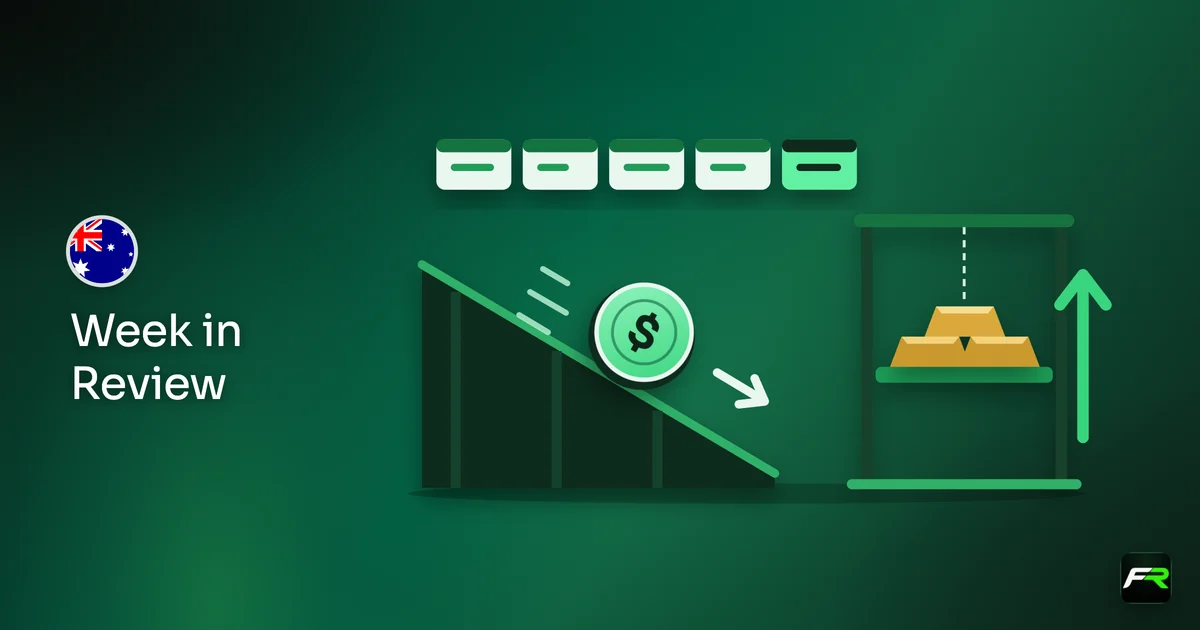
Energy did most of the work. Automotive fuel prices were 32.5% higher than a year earlier, and in October alone they rose 6.3%, which the ABS put down to higher world oil prices. That pushed the transport group up 10.6% over the year, the largest rise of any group.
Electricity was the second big driver. Power prices rose 25.2% over the year, up from 12.8% in September. The ABS said the rise was largely due to the end of the Commonwealth government's electricity rebates over the year, and that the jump from September reflected the timing of rebate payments in 2025. Together with new dwelling prices (up 5.1%, from 4.7%) and rents (up 3.5%), electricity lifted the housing group to 6.4% from 5.2%.
A base effect added to the move, as our preview explained on Tuesday. The index did not change in October 2025, so every bit of this October's rise went straight into the annual rate. Prices rose 0.5% in the month before seasonal adjustment and 0.7% after it.
Which prices rose most
All eleven groups in the index were higher than a year ago, but the spread is wide. Transport and housing are well above the rest, while clothing and household furnishings barely moved over the year.
| Group | Annual change, October |
|---|---|
| Transport | 10.6% |
| Housing | 6.4% |
| Education | 4.7% |
| Alcohol and tobacco | 4.3% |
| Recreation and culture | 4.3% |
| Health | 4.0% |
| Food and non-alcoholic beverages | 3.5% |
| Communication | 2.8% |
The split between goods and services tells the same story from another side. Goods prices rose 5.8% over the year, lifted by fuel and power, while services rose 4.0%. Non-discretionary items, the things households cannot easily cut back on, rose 6.1%, almost twice the 3.2% for discretionary spending. For households that means the squeeze is falling on essentials, which is one reason the RBA pays close attention to inflation expectations when energy prices jump.
Stripping out the most volatile items gives a calmer but still uncomfortable picture. The CPI excluding fruit, vegetables and fuel rose 3.9%, and the weighted median, another underlying measure, was 3.4%. Both are above the top of the RBA's 2% to 3% target band, so the problem is not only petrol and power.
What it means for the RBA
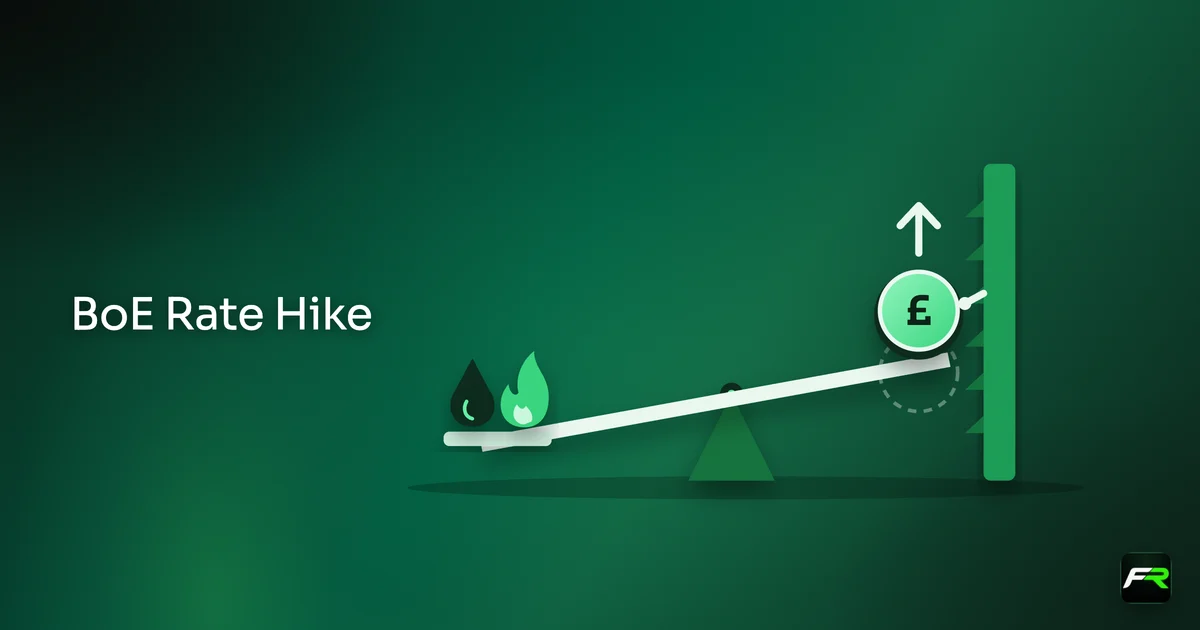
The RBA raised its cash rate target to 4.85% from 4.60% on 3 November in a six to three vote, the highest in 18 years. Three Board members wanted to wait, and October's labour figures gave them some support: employment fell by 43,500 and the unemployment rate rose to 4.9%, according to the ABS.
Wednesday's figures cut the other way. A trimmed mean of 3.8% two months before the end of the year makes the RBA's 3.6% December forecast hard to reach without a sharp slowdown in November and December. The Board's majority said in November that inflation would stay above 3% until the end of 2027; a rising trimmed mean suggests that path may already be too optimistic.
Some of the rise is one-off. The end of the electricity rebates is a policy change that lifts the annual rate for a year and then drops out, and fuel prices can fall as quickly as they rose. The RBA usually looks through such moves when they do not spread to other prices. The question for 8 December is whether they are spreading, and a services rate of 4.0% and a trimmed mean moving up for a second month suggest some of them are.
There is also a second-round risk the RBA has flagged before. When fuel and power bills jump, businesses that use a lot of energy, from transport firms to food producers, tend to pass part of the cost on over the following months. Wage claims can follow if households expect prices to keep rising. Neither effect shows up at once, which is why the Board watches the trimmed mean and services prices for several months after an energy shock rather than reacting to one headline figure.
The RBA's own staff spoke about the restrictiveness of policy on the same morning. Our report on the speech by Head of Domestic Markets David Jacobs covers what he said about real interest rates and the neutral rate.
AUD/USD levels to watch
The figures came out after Tuesday's European Central Bank (ECB) fixing, so the levels below are reference rates from before the release. AUD/USD rose to 0.6641 on Tuesday 24 November from 0.6617 on Monday, the first rise after nine straight falls.
| Level | Why it matters |
|---|---|
| 0.6735 | 17 Nov reference rate, before the last leg lower |
| 0.6711 | 19 Nov rate |
| 0.6666 | 20 Nov rate, Friday's fix |
| 0.6641 | 24 Nov rate, the latest before the CPI |
| 0.6617 | 23 Nov rate, lowest since December 2025 |
| 0.6602 | 19 Dec 2025 rate, the next reference below |
A hot inflation number can lift a currency by raising the odds of higher rates, but the Australian dollar has also been hit by a strong US dollar all month. If the market reads the CPI as a sign of another RBA rise, a fixing back above Friday's 0.6666 would be the first sign. If it reads the jump as mostly fuel and rebates, the pair may stay near its lows. Daily levels are on our AUD/USD analysis page.
What it means for traders
The Australian data are out, but the day is not over: US October personal consumption expenditures (PCE) inflation and revised third-quarter GDP arrive at 13:30 UTC. Points to keep in mind:
- Read the trimmed mean first. At 3.8% it is above the RBA's December forecast, which is the figure most likely to change the Board's mind.
- Separate the one-offs. Fuel (up 32.5%) and electricity (up 25.2%, rebates ending) explain much of the headline; services at 4.0% show what is left underneath.
- Watch the US data at 13:30 UTC. A hot PCE reading would lift the US dollar and could wipe out any gain the Australian dollar makes on the CPI.
- Mark the next dates: the ABS household spending indicator for October on Monday 30 November and the RBA decision on Tuesday 8 December.
- Our US PCE day story sets out what to watch in the US releases.
Say you buy AUD/USD at 0.6650 after the CPI, betting the RBA will raise rates again, with a stop at 0.6610, below Monday's 0.6617 fix and 40 pips away. On a $5,000 account risking 1%, or $50, each pip can be worth $1.25, about 0.125 standard lots. A first target at 0.6711, last Thursday's fix, is 61 pips away. A hot US PCE figure at 13:30 UTC could push the pair back down before it gets there, so decide in advance whether to hold through it.
Currency prices can move sharply after inflation data, and leverage magnifies losses as well as gains. Only trade money you can afford to lose. This is news and education, not a recommendation to buy or sell.
Inflation figures are from the Australian Bureau of Statistics' Consumer Price Index, Australia, October 2026. The cash rate, vote and forecasts are from the Reserve Bank of Australia's November 2026 decision and Statement on Monetary Policy. Jobs data are from the ABS Labour Force release for October. AUD/USD is derived by FX Recap from ECB euro reference rates.
Cite this guide
FX Recap, "Australia's Inflation Jumps to 4.9% in October as Fuel and Power Bills Surge, and the Trimmed Mean Rises to 3.8%", updated 25 November 2026, https://fxrecap.com/forex-news/top-stories/australia-october-cpi-4-9-percent-aud-usd
Free to quote with a link. Journalists: data and comment in our press room.
Frequently asked
What was Australia's inflation rate in October 2026?
Consumer prices rose 4.9% in the twelve months to October 2026, up from 4.3% in September, the ABS reported on 25 November. The trimmed mean rose 3.8%, up from 3.6%.
Why did Australian inflation rise so much in October?
Mainly energy. Fuel prices were 32.5% higher than a year earlier and rose 6.3% in October alone, and electricity prices rose 25.2% as government rebates ended. A base effect also helped, because prices did not change in October 2025.
Will the RBA raise rates in December 2026?
That is for the Board on 8 December. The trimmed mean of 3.8% is above the RBA's 3.6% forecast for December, which supports the case for another rise, while October's 43,500 job losses support the case for waiting.
When is the next Australian CPI release?
The ABS publishes monthly CPI on the last Wednesday of each month until early 2027; from February 2027 it moves to the fourth Wednesday. Check the ABS release calendar for the November figures.
Sources: Australian Bureau of Statistics: Consumer Price Index, Australia (October 2026) · Reserve Bank of Australia: Statement on Monetary Policy, November 2026 · Australian Bureau of Statistics: Labour Force, Australia (October 2026) · European Central Bank: euro foreign exchange reference rates · Australian Bureau of Statistics: release calendar
The team behind this guide
Reported, written, edited and checked by five FX Recap specialists
Every guide is written, fact-checked and edited before it goes live, and updated when the facts change. Spotted an error? Tell us.