IC Markets


































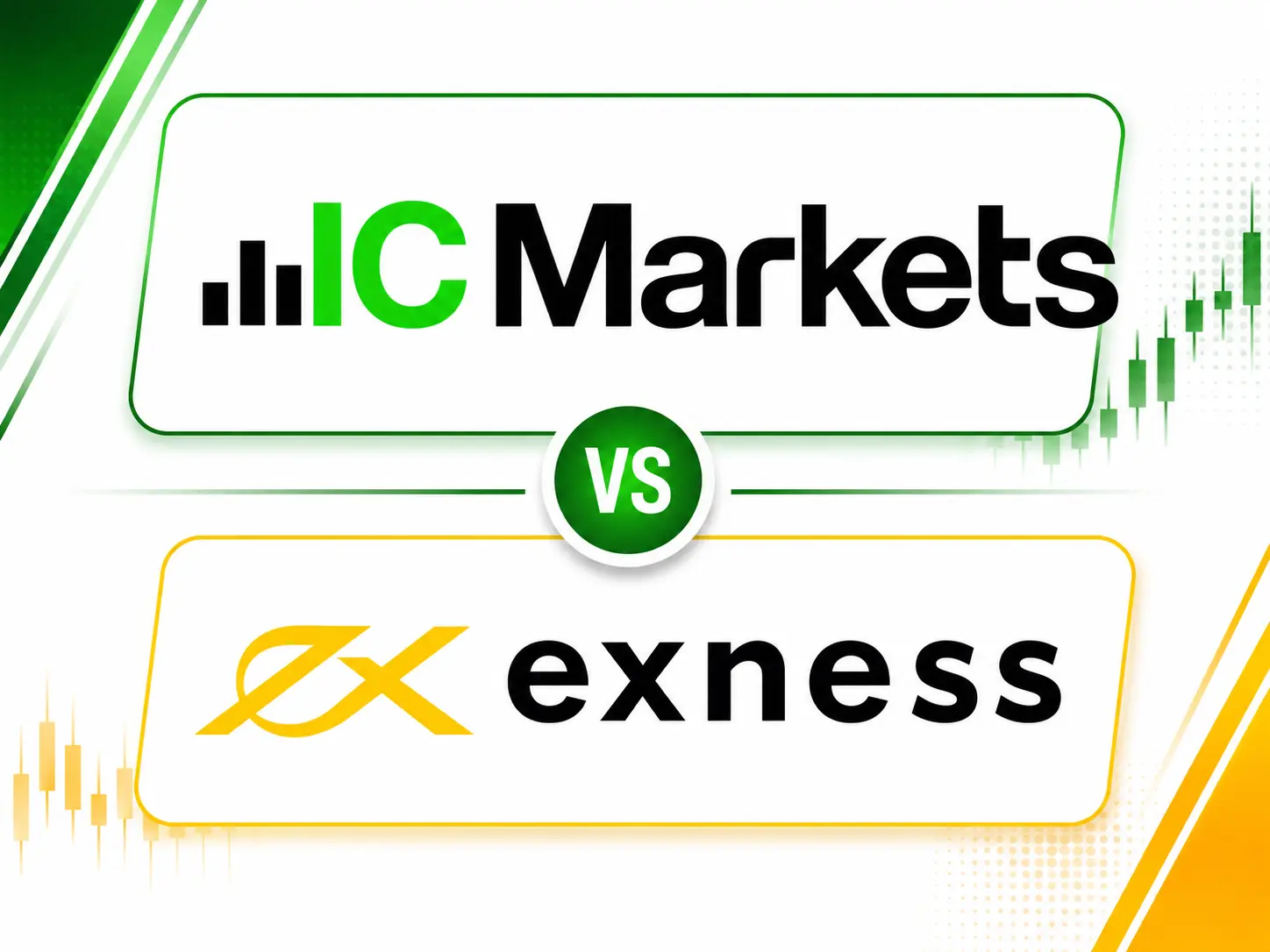
Exness vs IC Markets
Every Exness vs IC Markets comparison tells you both are excellent, which is true and useless when you have to pick one. The real differences are smaller and more specific: withdrawal speed, deposit size, swap-free rules, whether you want cTrader. This guide walks through the ones that actually matter.
 WriterAbir KhanWriterWrites the guides · checks every figure against primary sources View profileAbout Abir →
 Market analysisTanbir Habib RiyadForex & Crypto AnalystForex and crypto analyst · technical and fundamental analysis View profileAbout Tanbir →
 Fact-checking & riskJannatul FerdaushFact-Checker & Risk AnalystFact-checks every figure · risk analysis · Applied Statistics, University of Dhaka View profileAbout Jannatul →
 Trading reviewJowel RanaCo-Founder & Forex TraderCo-founder · forex trader · reviews guides from a trader's view View profileAbout Jowel →
 Final approvalRanjan NiskrityFounder, Owner & Forex TraderFounder and owner · forex trader · signs off every guide View profileAbout Ranjan →


Most Exness vs IC Markets comparisons conclude that both brokers are excellent which is true, but entirely unhelpful when you actually need to choose one. The real differences come down to specific details: withdrawal speeds, minimum deposits, swap-free conditions, and platform availability like cTrader.This guide walks through the ones that actually matter.
Read a few broker reviews and they all conclude that both are top-tier choices. That doesn’t help much when you’re ready to fund an account. Both are large, regulated brokers, so the choice comes down to a handful of specific differences.
It depends on how quickly you want withdrawals, how you want to pay for trading, how long you hold positions, and whether you want cTrader. Here is how those break down, using each broker’s own published conditions.
Regulation and Safety
IC Markets’ group is licensed by ASIC in Australia, CySEC in Cyprus, the FSA in Seychelles, the SCB in the Bahamas and the CMA in Kenya; most international clients are served by its Seychelles company, Raw Trading Ltd, which says client funds are insured up to US$1,000,000. In July 2024 CySEC fined its EU company €250,000 in total, and the company has applied for judicial review.
Exness’s group holds licences from 11 regulators, including the FSA in Seychelles, the FSCA in South Africa and the CMA in Kenya. Its FCA and CySEC companies do not serve retail clients, so individual traders are served by offshore companies such as Exness (SC) Ltd. Exness is a member of the Financial Commission, whose fund covers its judgments up to €20,000 per client.
For Australian and EU residents, IC Markets offers ASIC- and CySEC-regulated accounts, which Exness doesn’t. For most other traders, both brokers’ accounts sit with offshore companies.
Comparison Table
| Exness | IC Markets | |
|---|---|---|
| Founded | 2008 | Not stated (ASIC licence since 2009) |
| Minimum deposit | Payment-method minimum on Standard ($10 on its ZA site); from $200 on Professional accounts | None at the global company; $200 at the Australian company |
| Standard spread | From 0.2 pips (EUR/USD average 0.8) | From 0.8 pips |
| Raw account | Raw Spread: 0.0 pips + up to $3.50 per side; Zero: from $0.05 per side | Raw Spread: 0.0 pips (EUR/USD average 0.1) + $3.50 per side |
| Platforms | MT4, MT5, Exness Terminal, Exness Trade app | MT4, MT5, cTrader, TradingView |
| Instruments | 228 on its South African site | 2,250 on MetaTrader (2,850+ in total) |
| Withdrawals | 98%+ processed automatically, 24/7 | Same-day processing if requested before 12:00 AEST; cards 3–5 business days |
| Swap-free | Default status on a list of popular instruments; all instruments in Islamic countries | Swap Free account with a flat overnight holding fee per lot |
| Max leverage | Unlimited (eligible accounts) or up to 1:2000 | Up to 1:5000 on forex (global); 1:30 in Australia and the EU |
| Bonus | None | 100% first-deposit bonus, then 50%, up to $25,000 |
Figures come from each broker’s official site, checked on 30 September 2026. Spreads move through the day, so check live prices for your pairs.
Key Differences
Starting capital. Both can be started small: Exness Standard accounts need only the payment method’s minimum, and IC Markets’ global company has no minimum deposit. Only IC’s Australian company asks for $200.
Withdrawal speed. Exness says over 98% of withdrawals are processed automatically, 24/7. IC processes requests received before 12:00 AEST the same business day, and card withdrawals take 3 to 5 business days. If fast access to your money matters most, Exness has the edge.
Holding trades overnight. Exness gives all clients swap-free status on a list of popular instruments, including majors, gold, oil, crypto and indices (not stocks), and on all instruments for clients in Islamic countries, though it can remove the status or charge an admin fee for heavy overnight holding. IC’s Swap Free account replaces swap with a flat holding fee per lot. Swing traders should compare both for their instruments.
Platform choice. IC Markets offers cTrader and TradingView alongside MetaTrader. Exness offers MetaTrader plus its own Exness Terminal and Exness Trade app. If you want cTrader, only IC Markets has it.
Range of markets. IC Markets offers far more instruments, including stock and ETF CFDs, bonds and futures. Exness focuses on forex, metals, energies, indices, crypto and a smaller list of stock CFDs.
Raw pricing for active traders. Both offer raw accounts from 0.0 pips. IC charges $3.50 per side on its MetaTrader Raw Spread account; Exness charges up to $3.50 per side on Raw Spread and from $0.05 on Zero, depending on the instrument. Compare the commission for the instruments you trade.
Leverage
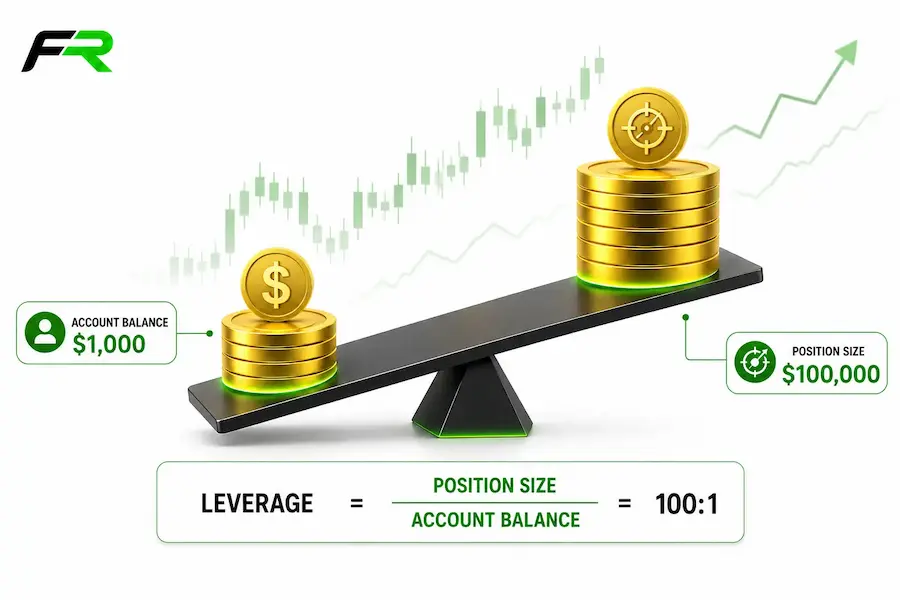
Both brokers offer very high leverage through their offshore companies. Exness offers up to 1:2000, or unlimited leverage for eligible accounts with equity under $5,000. IC’s global company offers up to 1:5000 on forex, tiered by position size, while its Australian and EU companies cap retail clients at 1:30 on major pairs. Leverage multiplies losses as fast as gains, so start small whichever you choose.
Which One Should You Choose?
Exness suits beginners who want fast automatic withdrawals, low entry costs and broad swap-free coverage. Just keep the leverage modest.
IC Markets suits traders who want cTrader or TradingView, a much wider range of markets, a deposit bonus, or an ASIC- or CySEC-regulated account if they live in Australia or the EU. Both are strong brokers; the right one depends on your trading style and where you live.

Why you can trust FX Recap
FX Recap is an independent Forex media platform. Every broker score comes from our published methodology, including live account testing, regulatory verification, and real trader feedback, so you can make smarter trading decisions.
Read our methodologyAdvertising Disclosure
We prioritize rigorous, unbiased broker testing through our published methodology. Forex and CFD trading carries significant risk of loss, so read our Risk Notice before you trade. While our ratings stay objective, we receive compensation that may influence list placement. Learn how we make money.
Current Offers & Promotions
 Promotion
Exness Promotions & Bonuses 2026
Exness is a globally known and reliable broker that provides new traders with various opportunities to understand the platform and…
View Offer Promotion
IC Markets 100% Deposit Bonus 2026
IC Markets is offering new and existing traders a 100% deposit bonus on their first deposit, plus a 50% bonus…
View Offer