 IC Markets



































CFDs are complex instruments and carry a high risk of losing money rapidly due to leverage. Broker terms change often, so confirm them on the broker's own site before you open an account. Some links are affiliate links; they never change which brokers we list or what our guides say.
How to choose a forex broker: 7 checks
The best broker for you is the one that holds your money under a regulator you can check, charges a price you understand, and pays out without a fight. These seven checks cover all three.
- Find out which company will hold your account
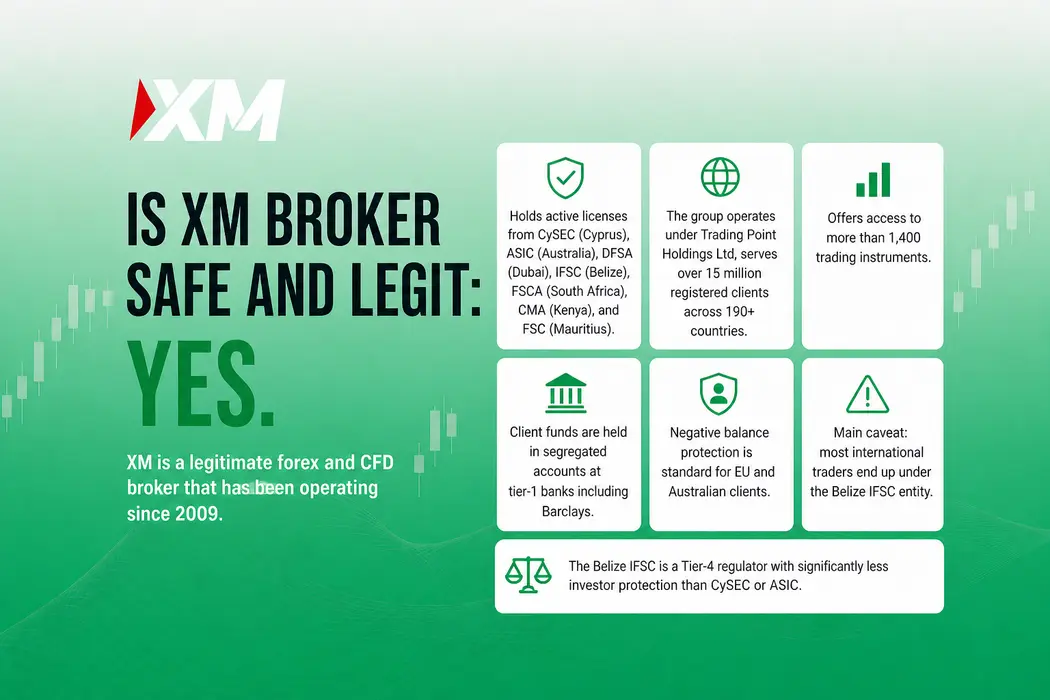
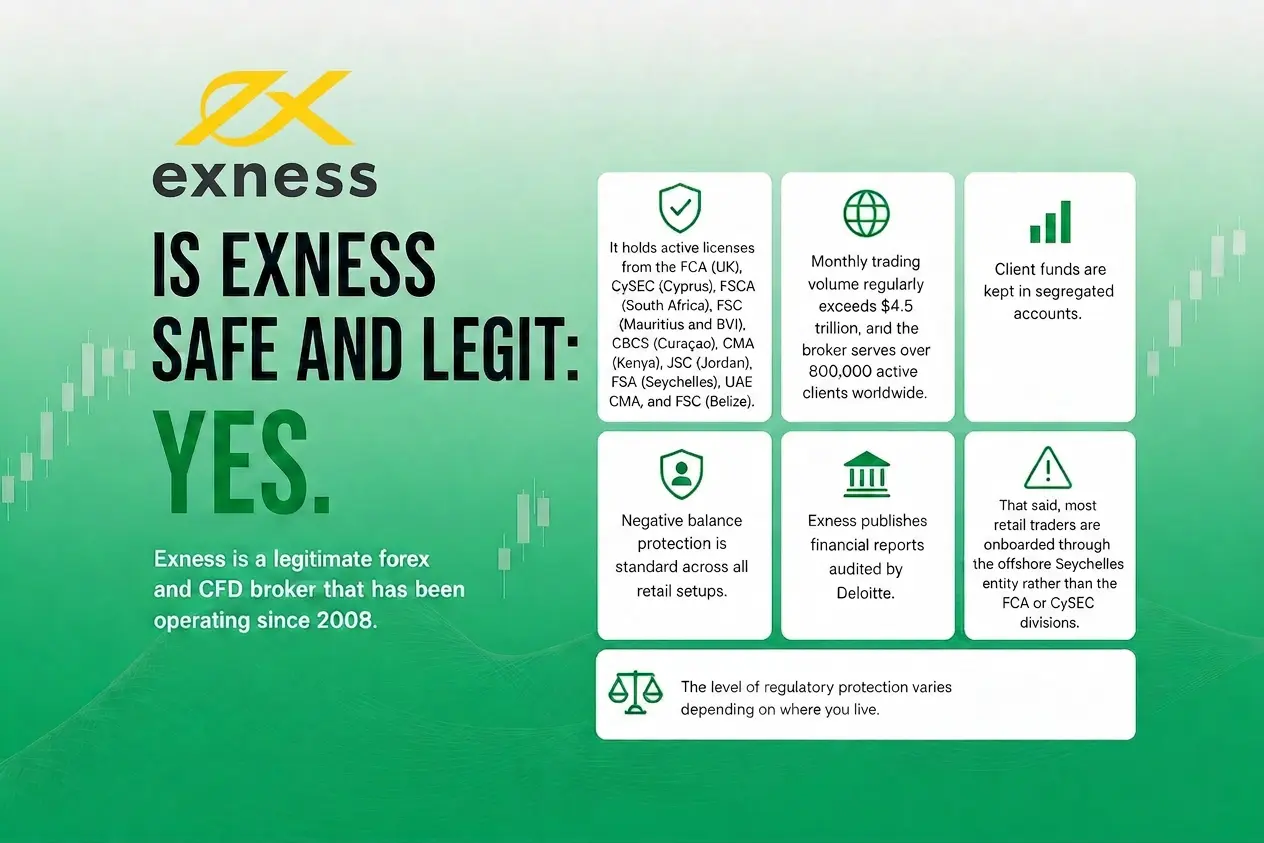
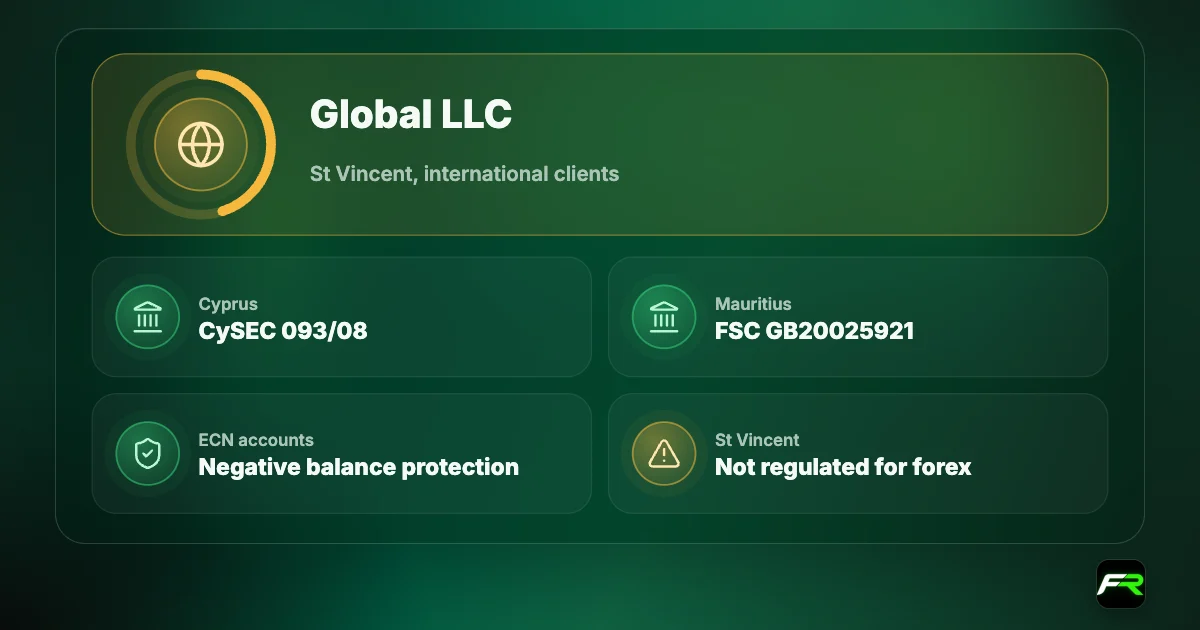
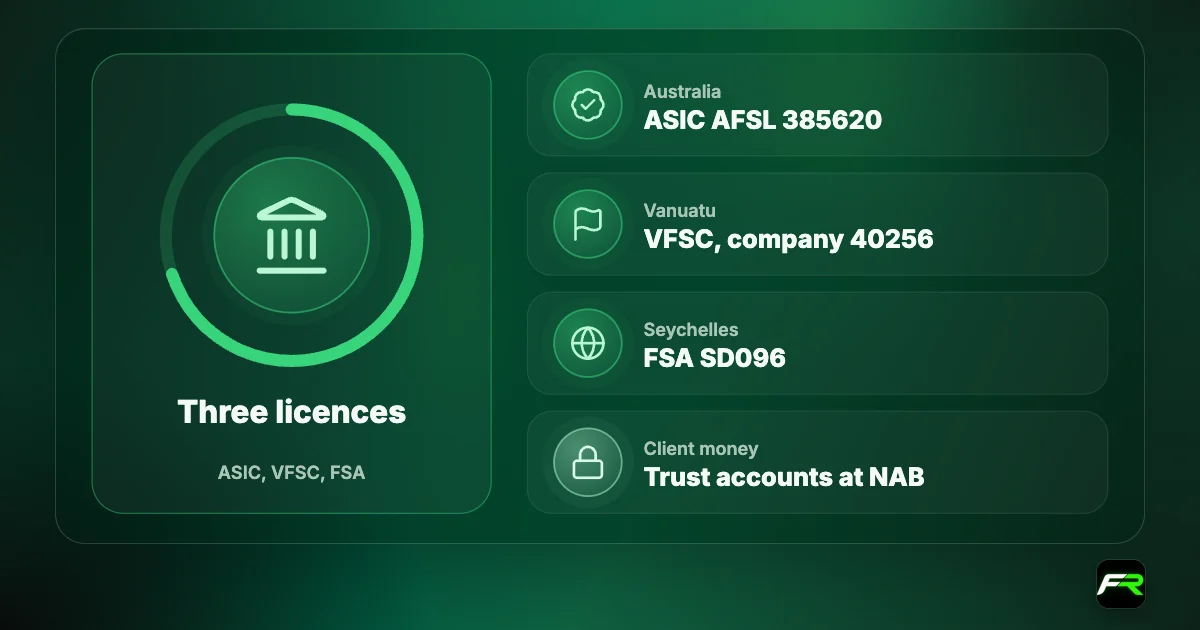
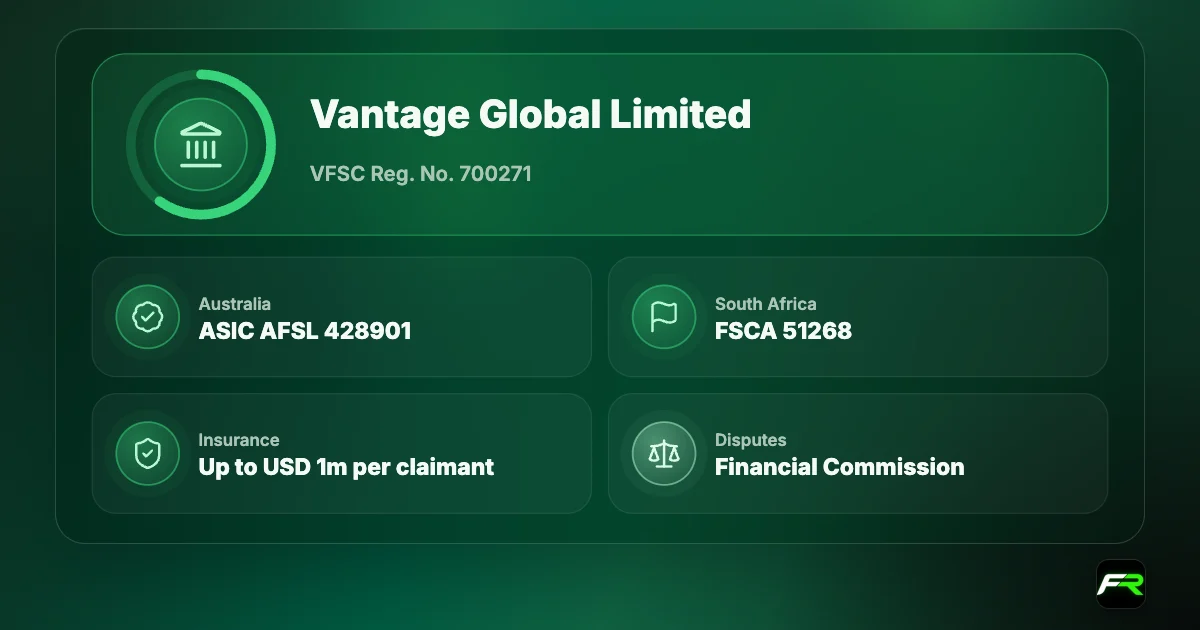
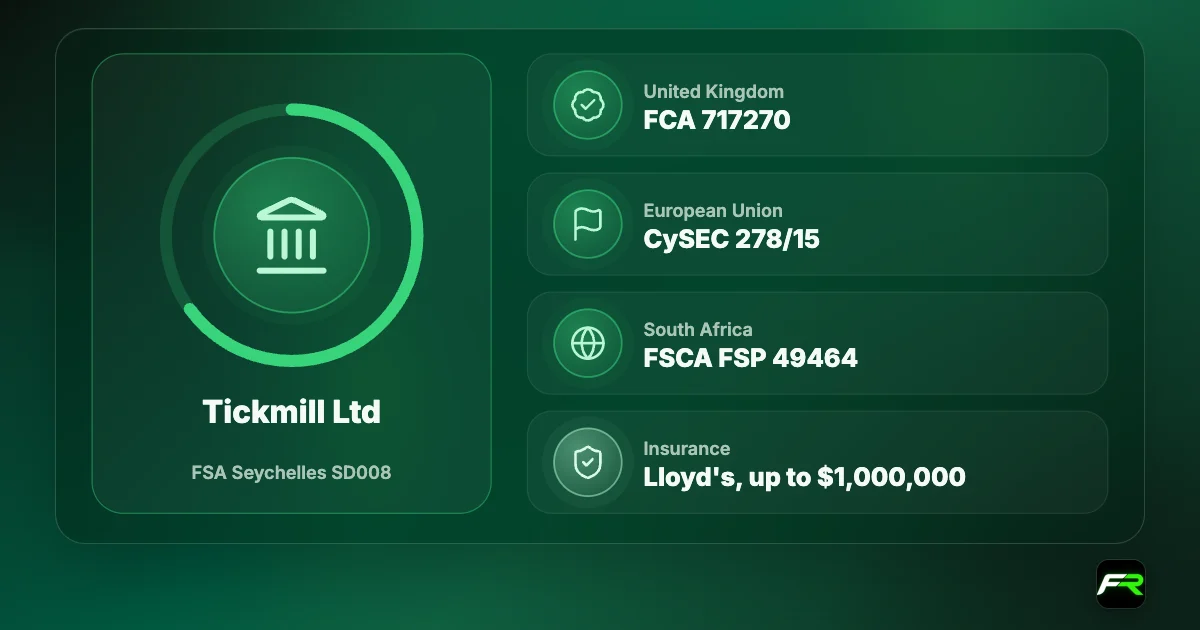
Brokers run several companies under one brand. The one your country is placed with decides your regulator, leverage limits and protection. It is named in the client agreement and usually in the website footer.
- Confirm that licence on the regulator's own register
Search the regulator's public register, not the broker's badge. The company name, licence number and website must all match.
- Work out the all-in cost of a trade
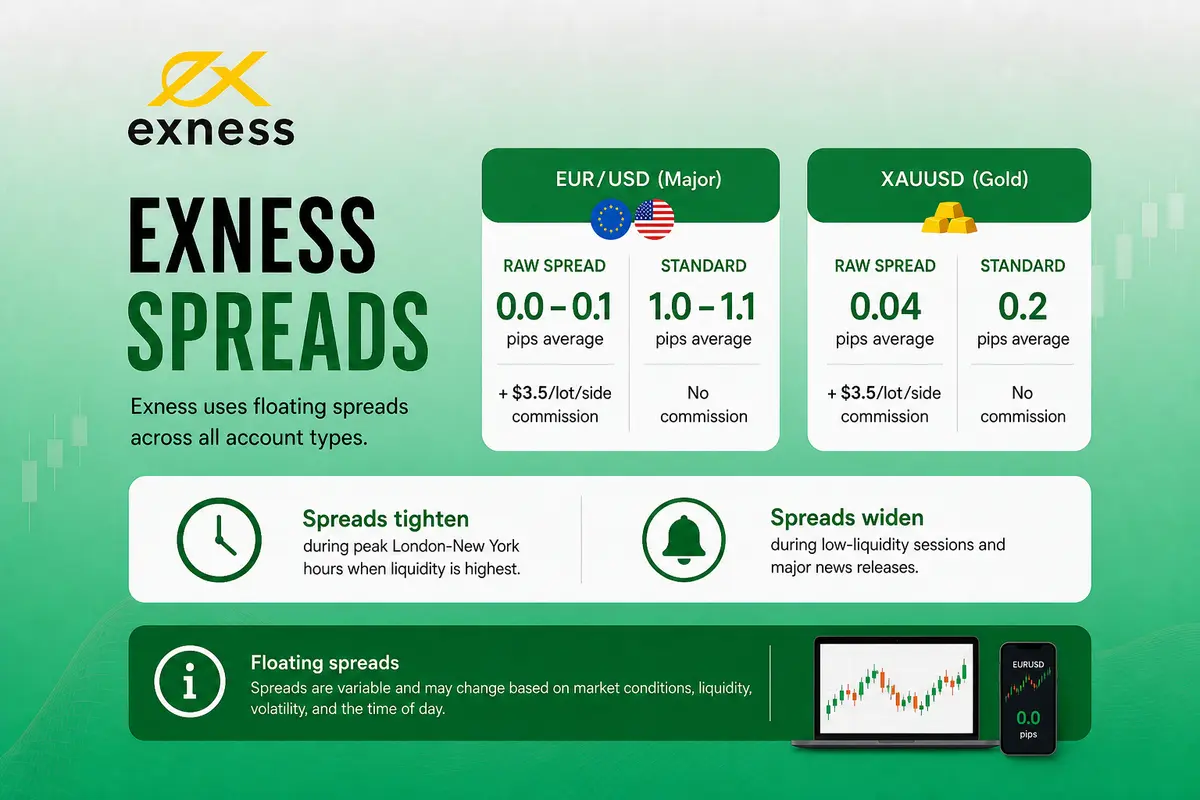
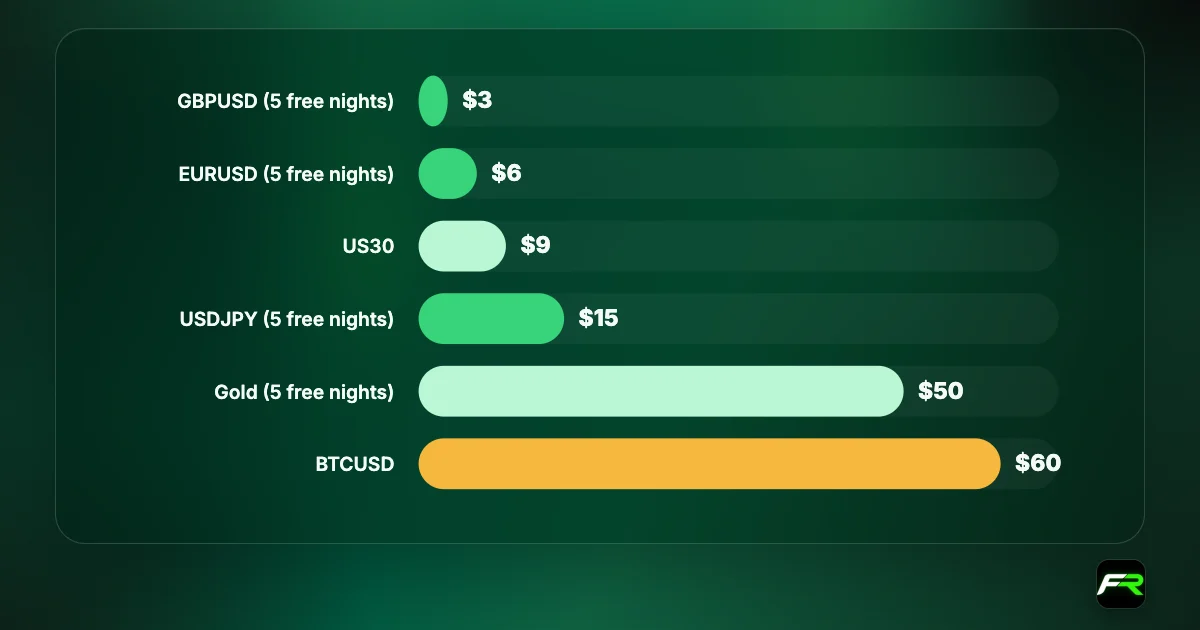
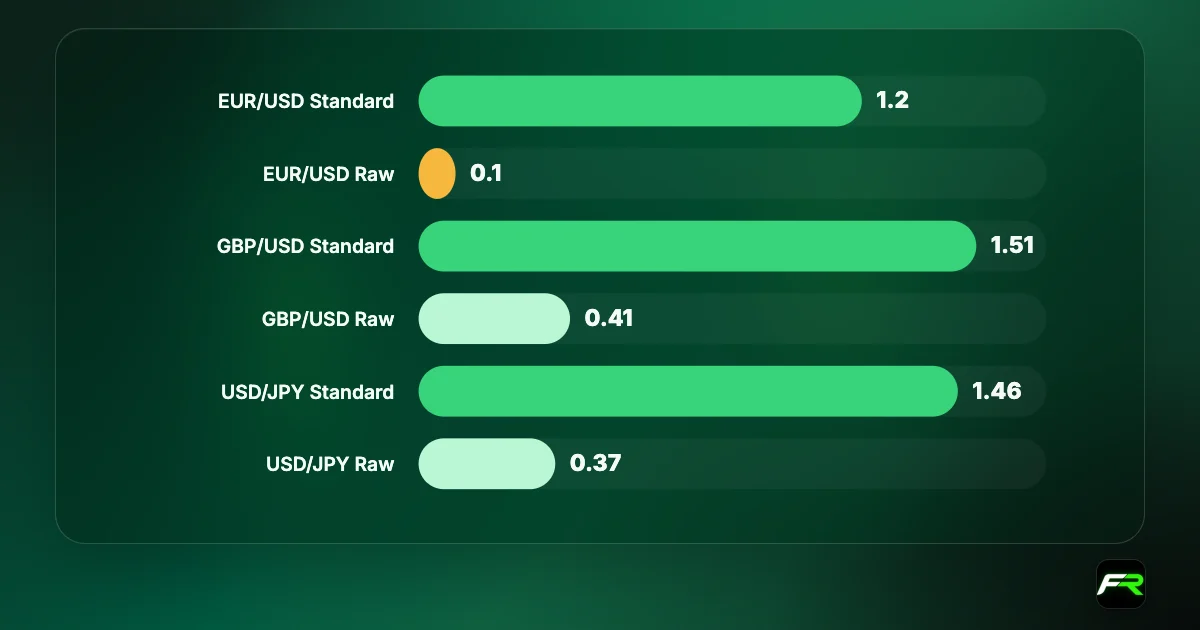
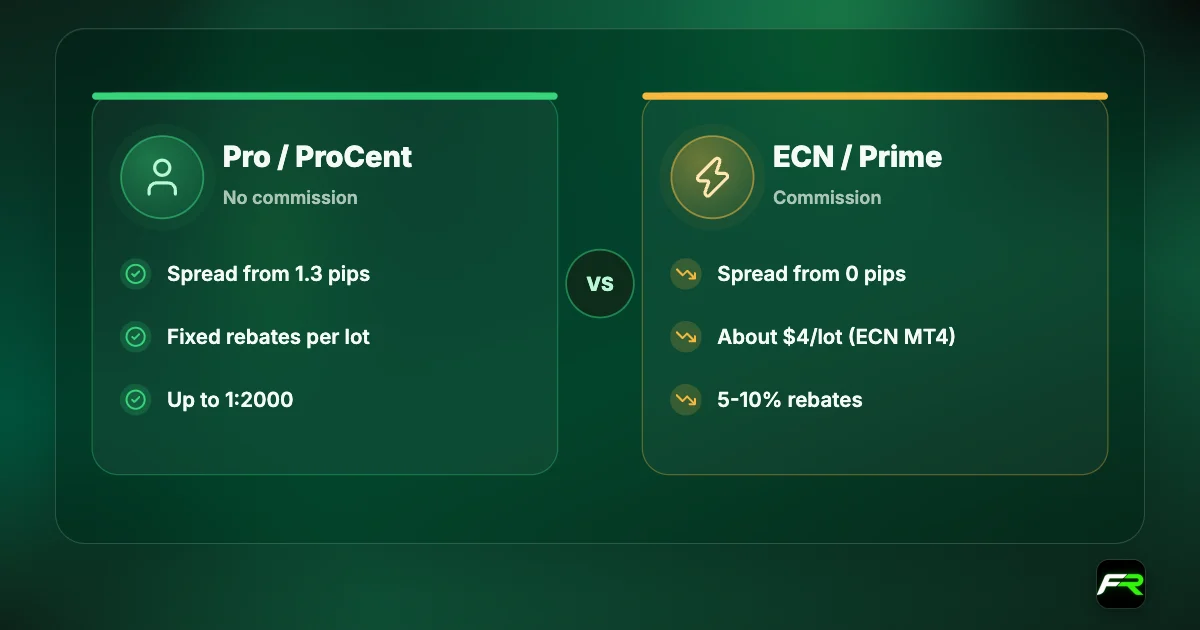
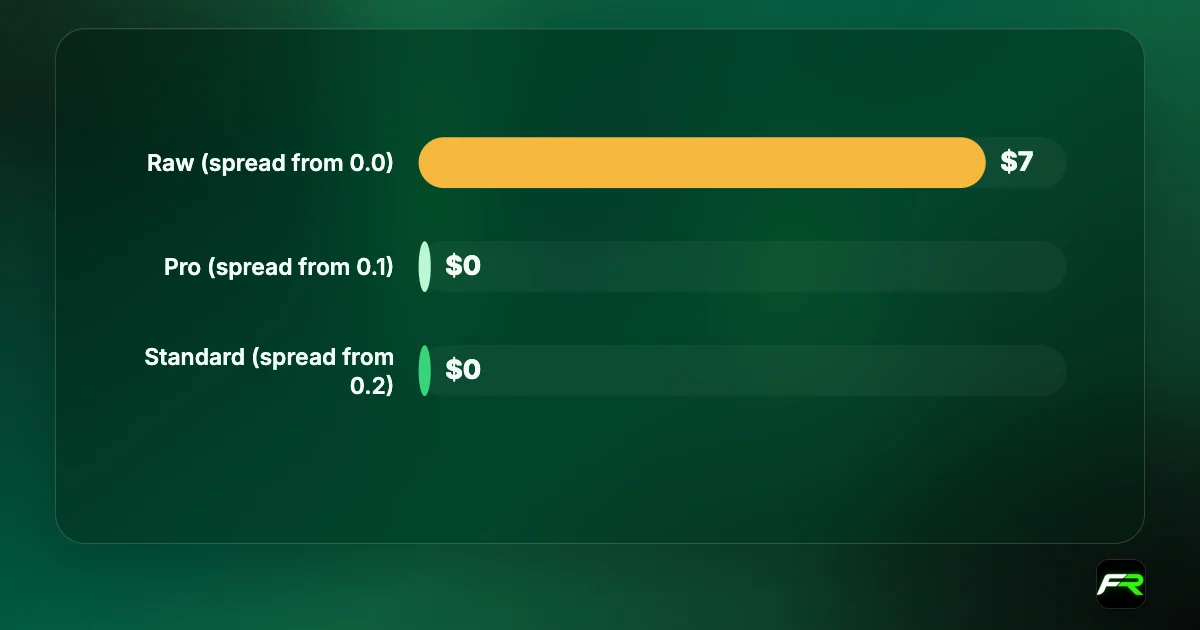
Add the spread, any commission and the overnight swap for the pairs you trade. A commission account is often cheaper for active traders.
- Read the fee page for the costs nobody advertises
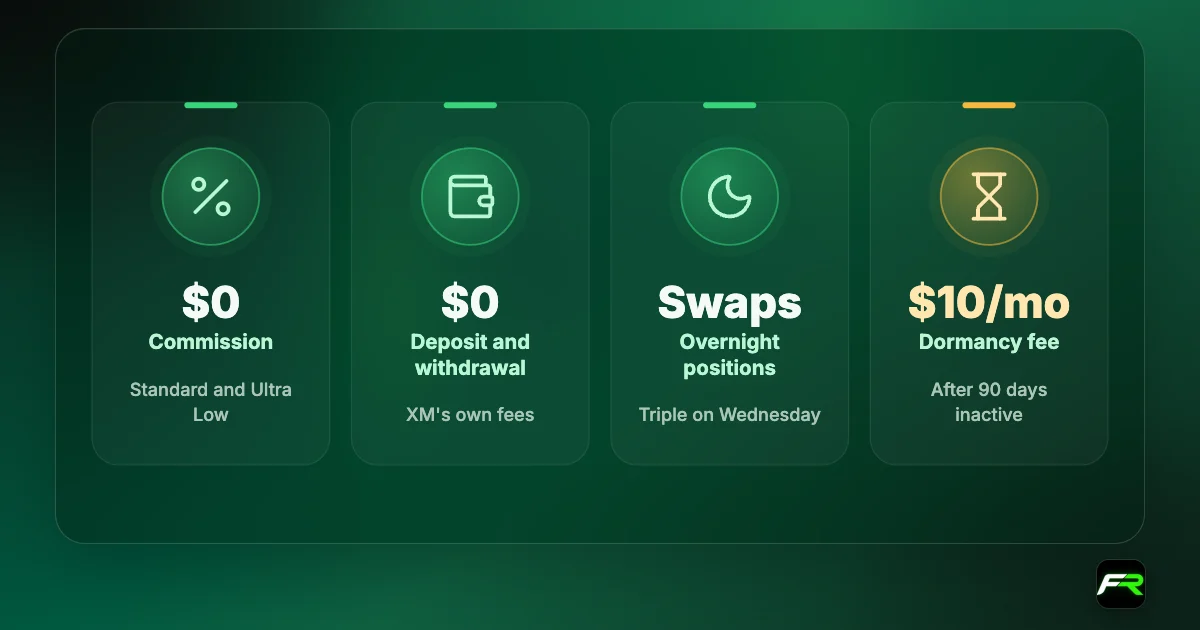
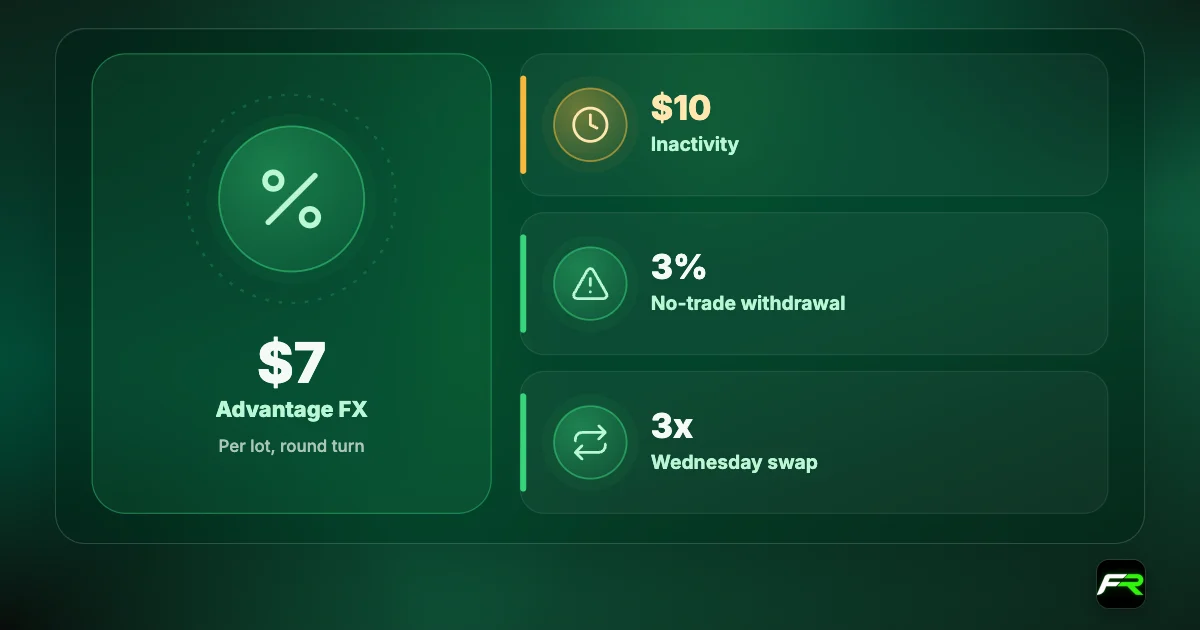
Inactivity fees, currency conversion and withdrawal charges add up when you trade occasionally.
- Check how deposits and withdrawals work
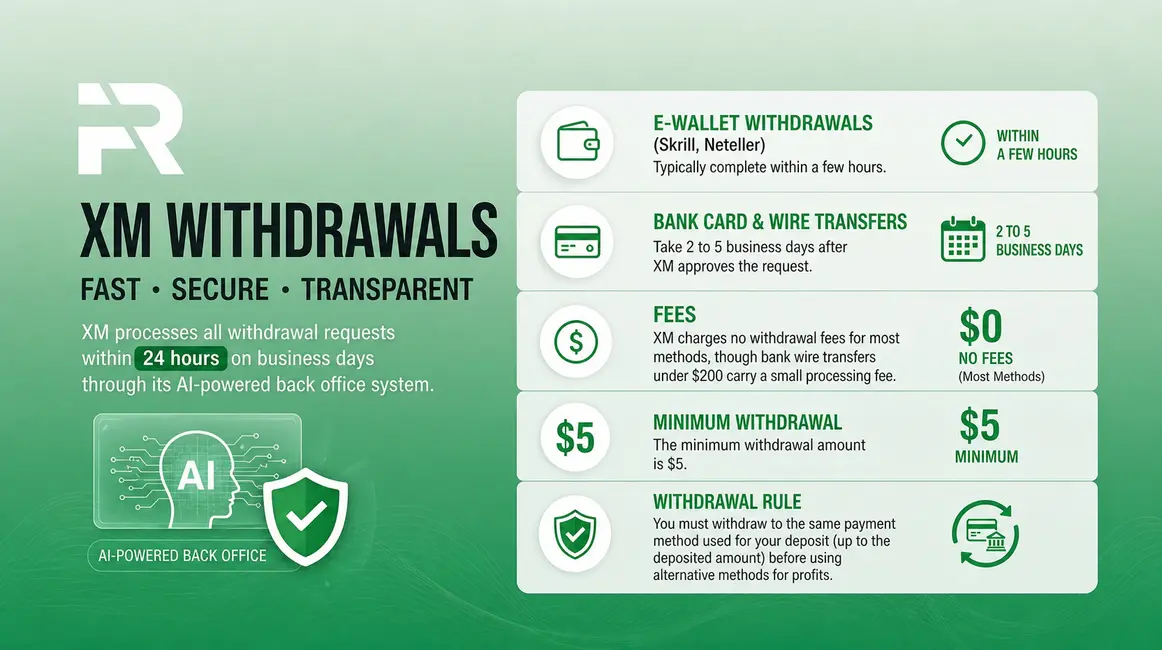
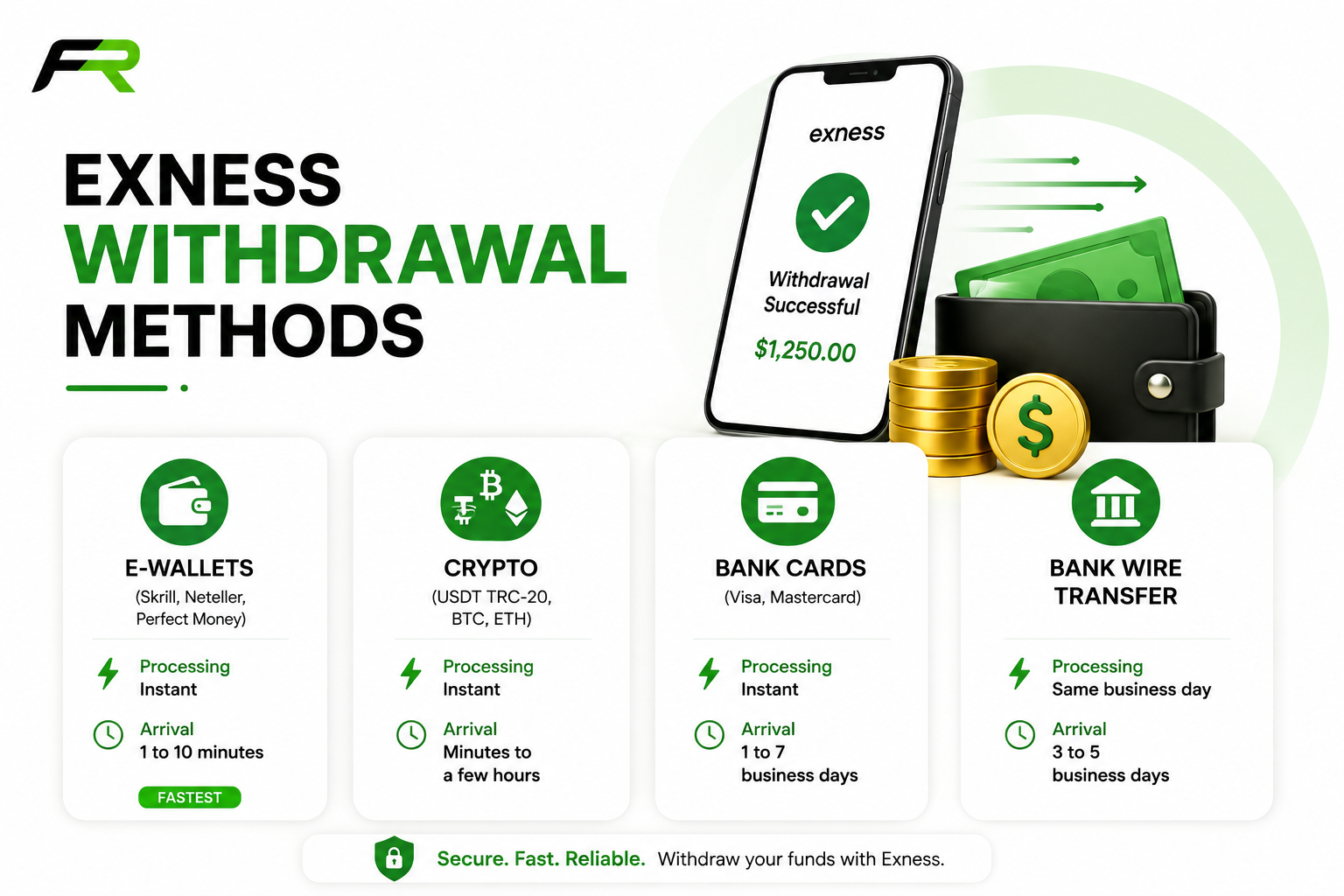
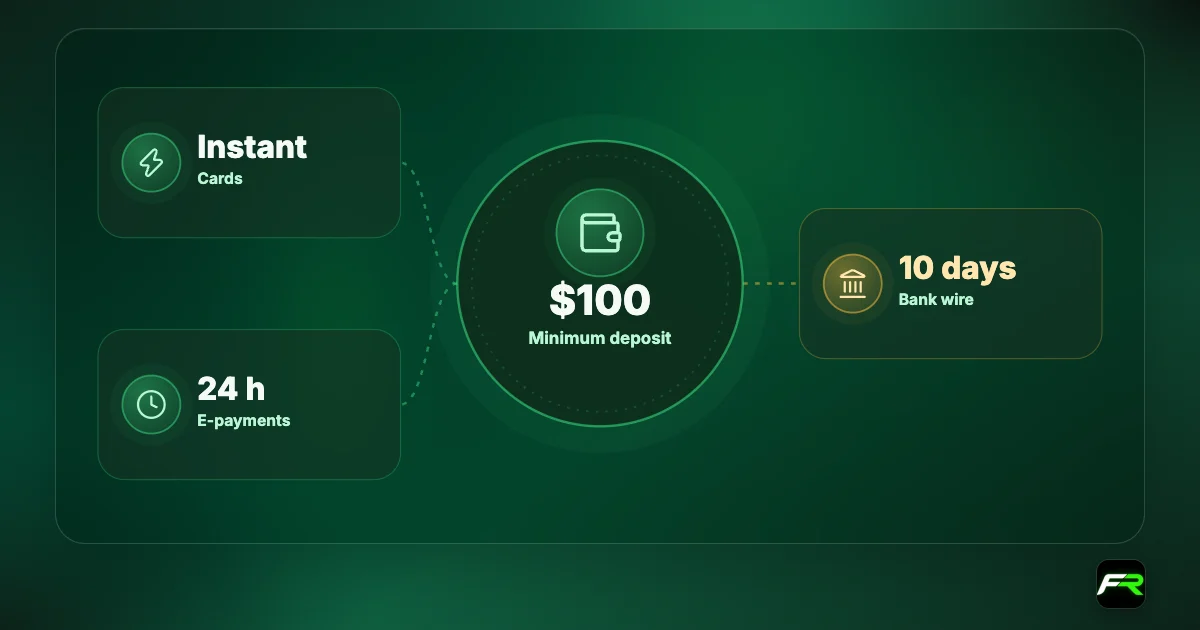
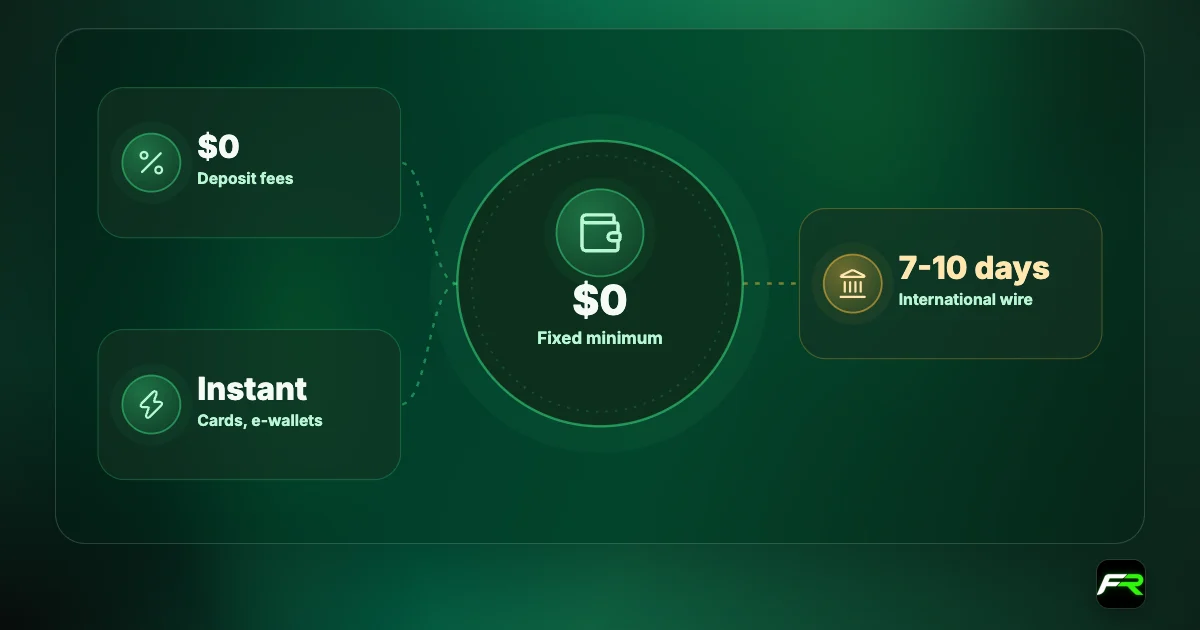
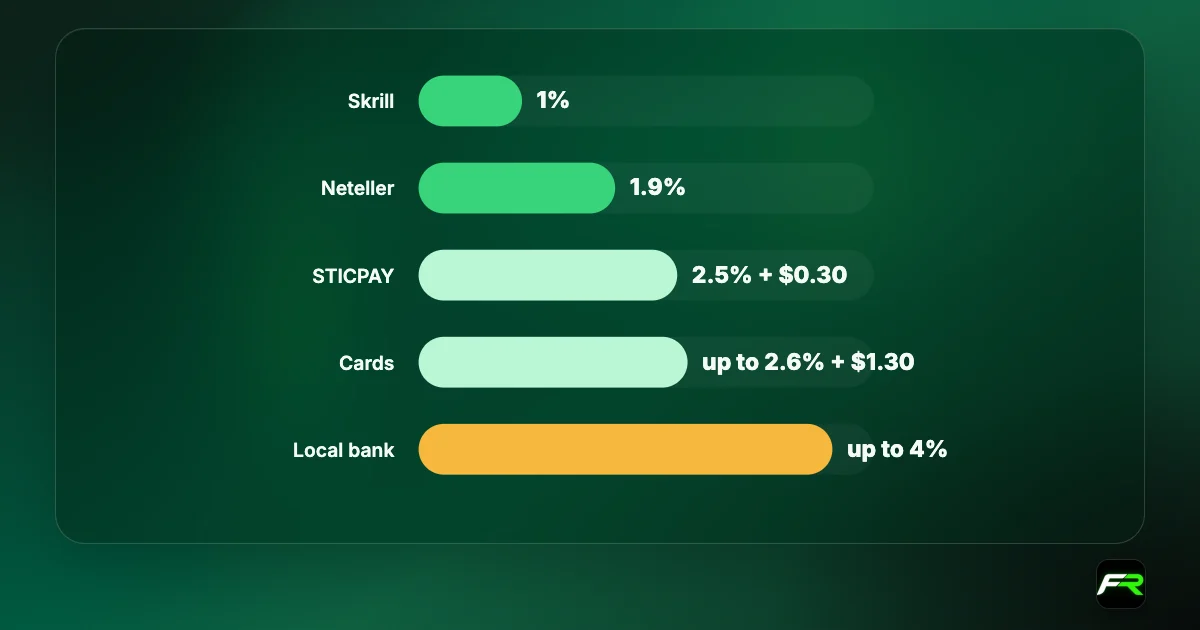
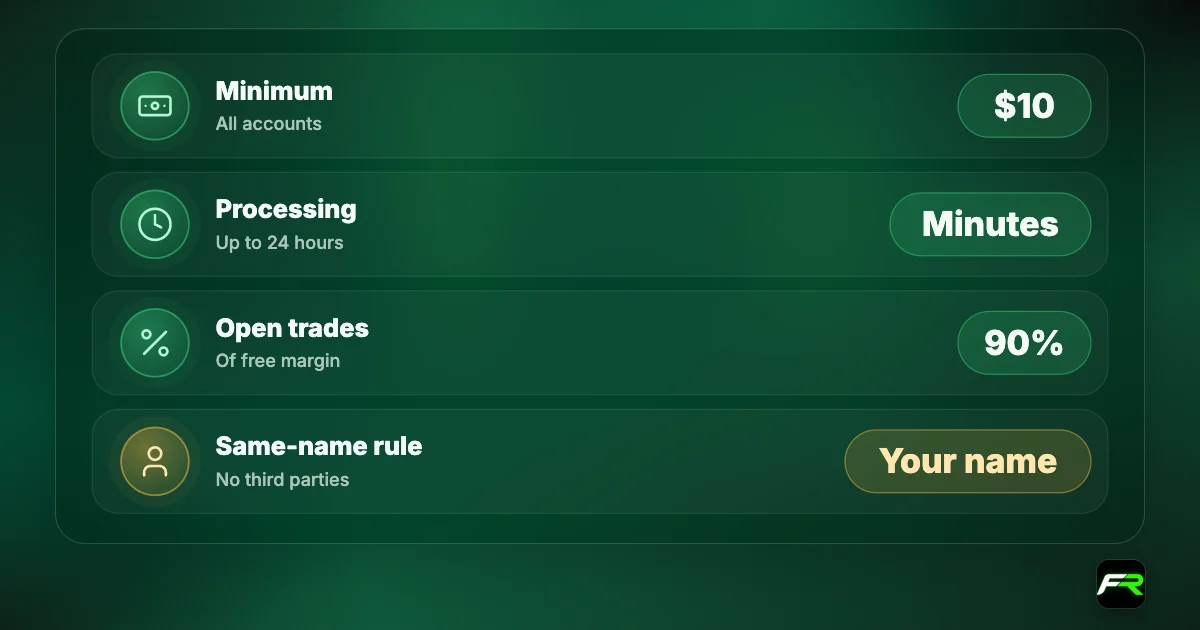
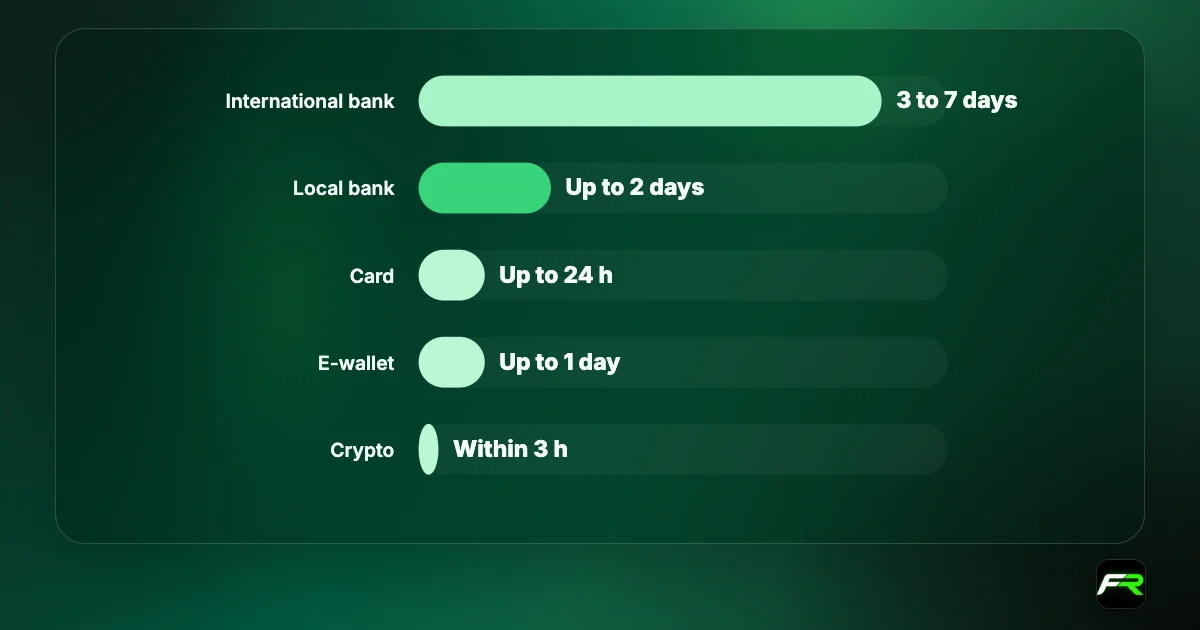
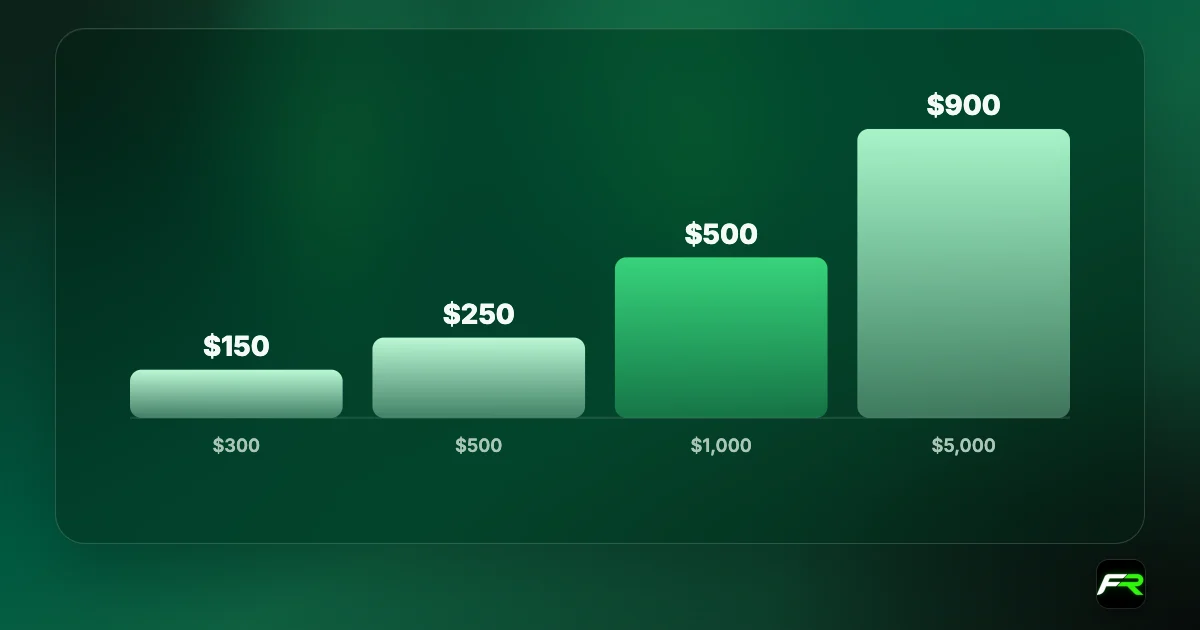
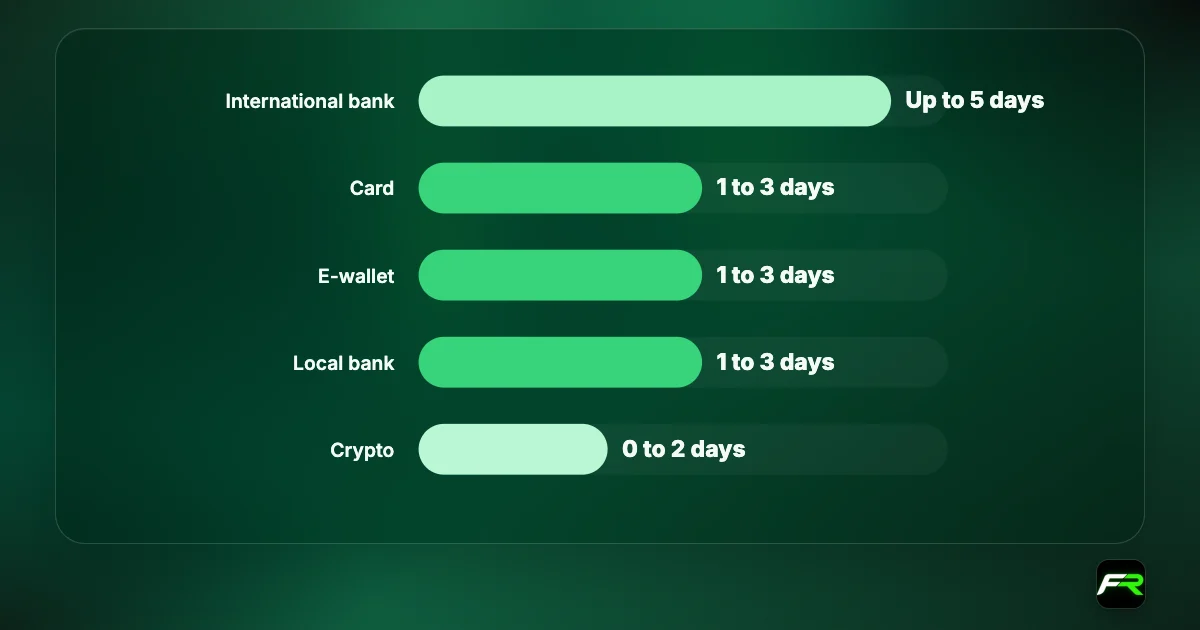
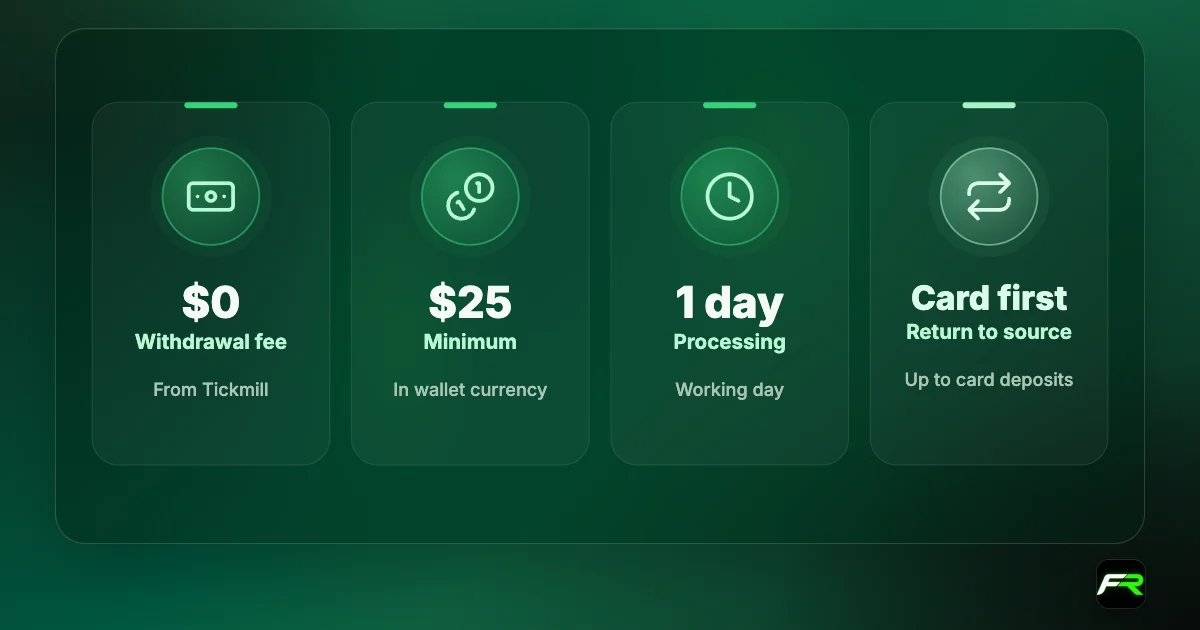
Look for methods that work in your country, the processing time, and the rule for returning money to the method you paid with.
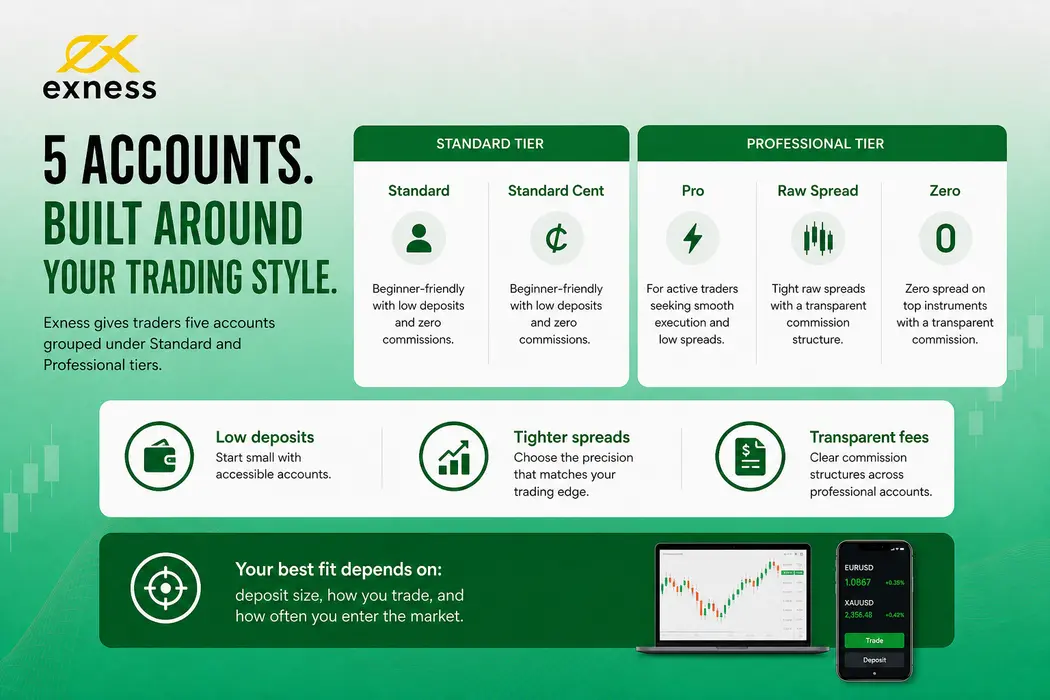
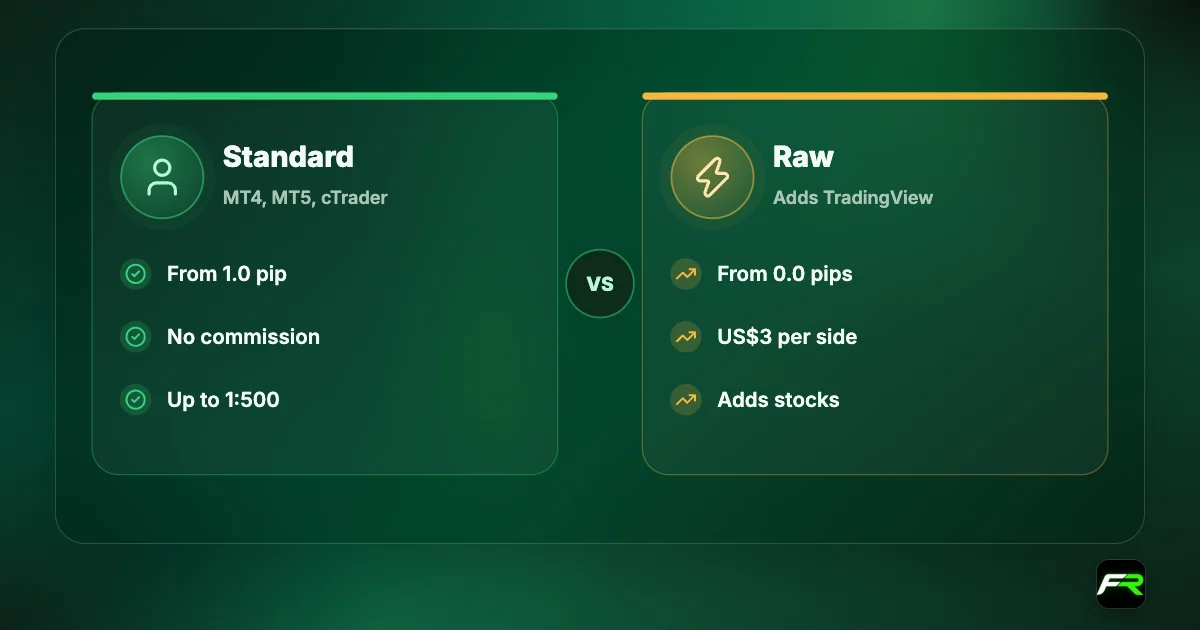
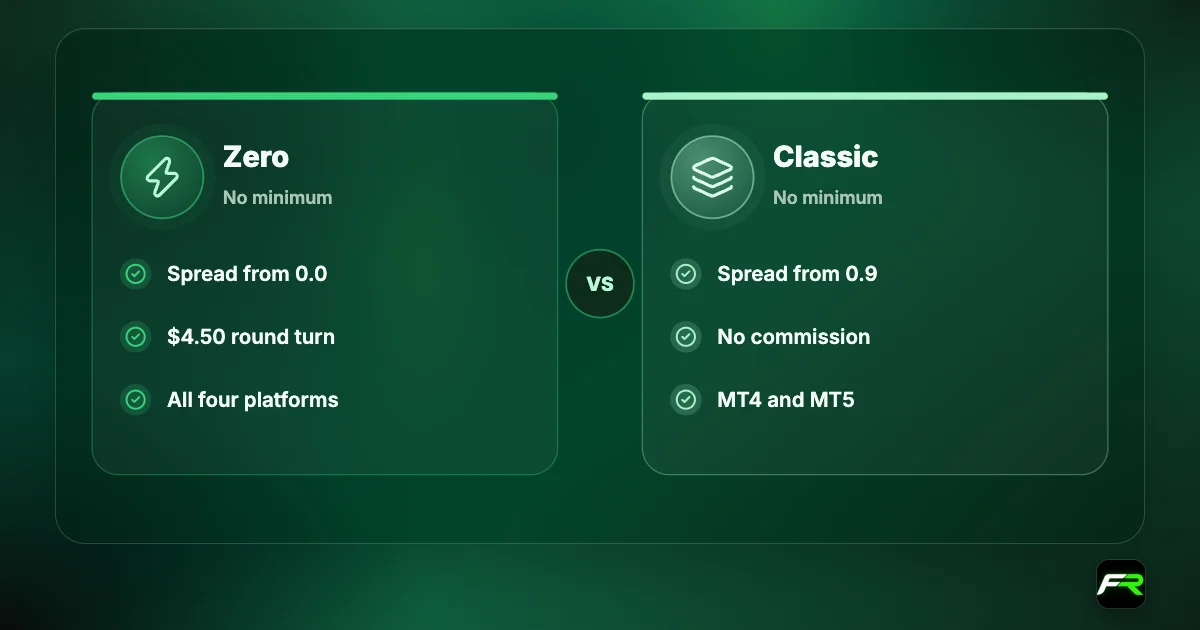
- Pick an account type that fits how you trade
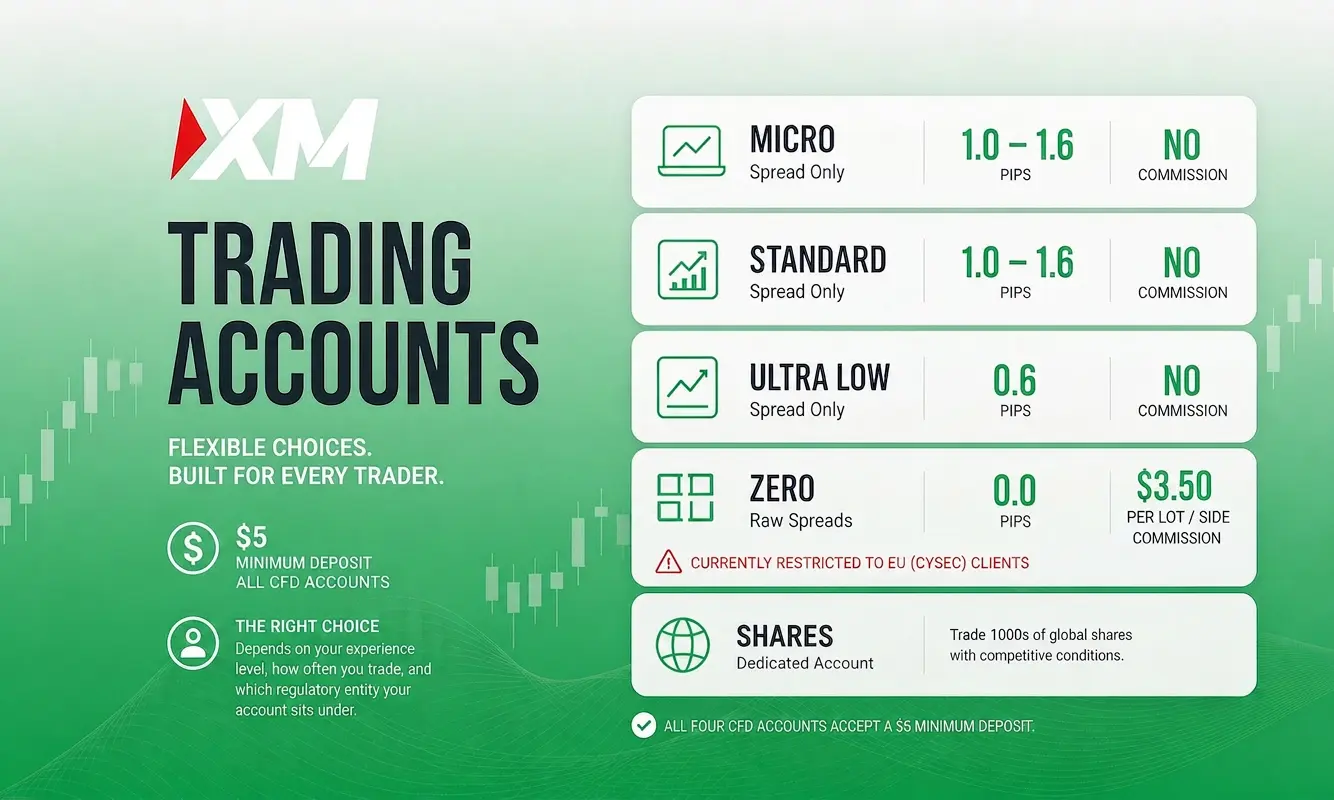
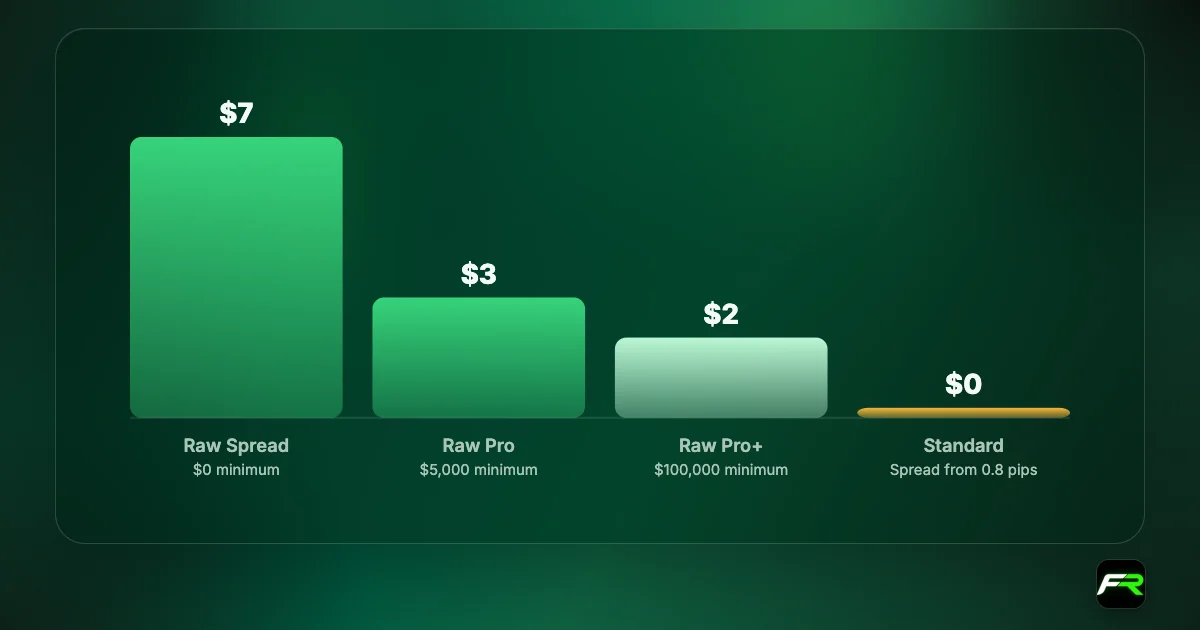
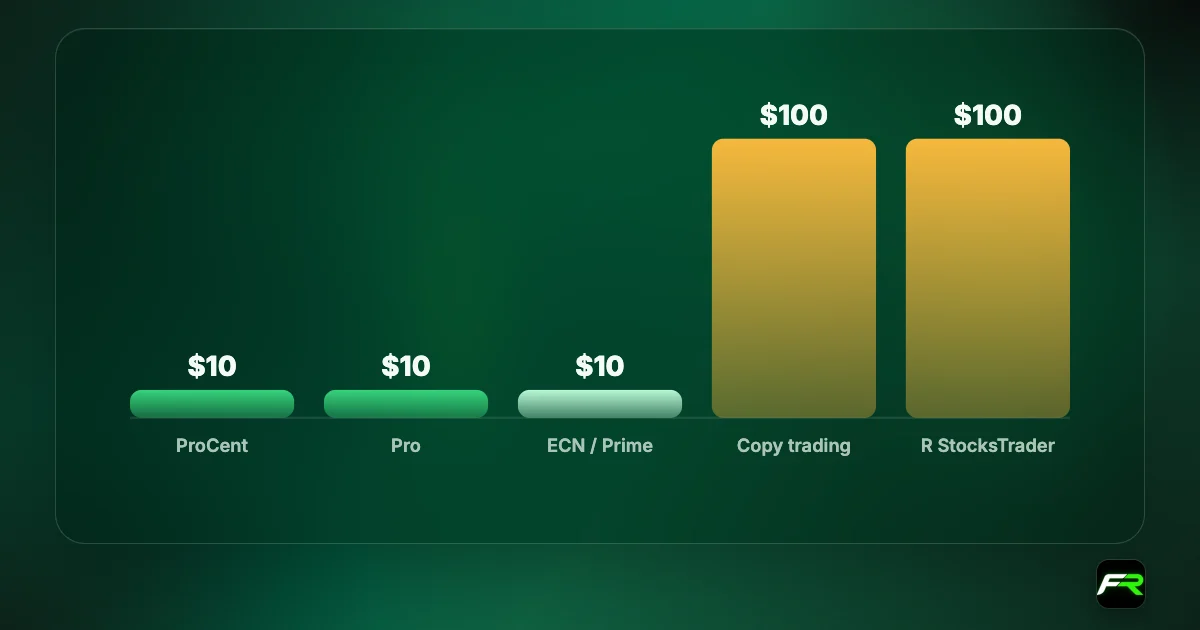
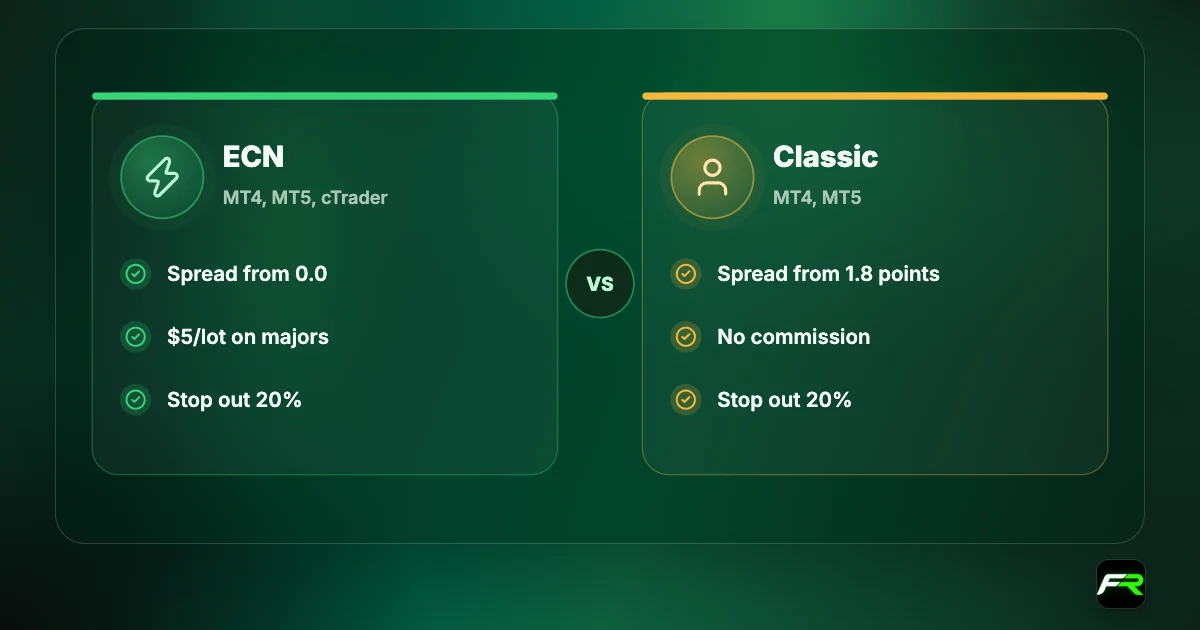
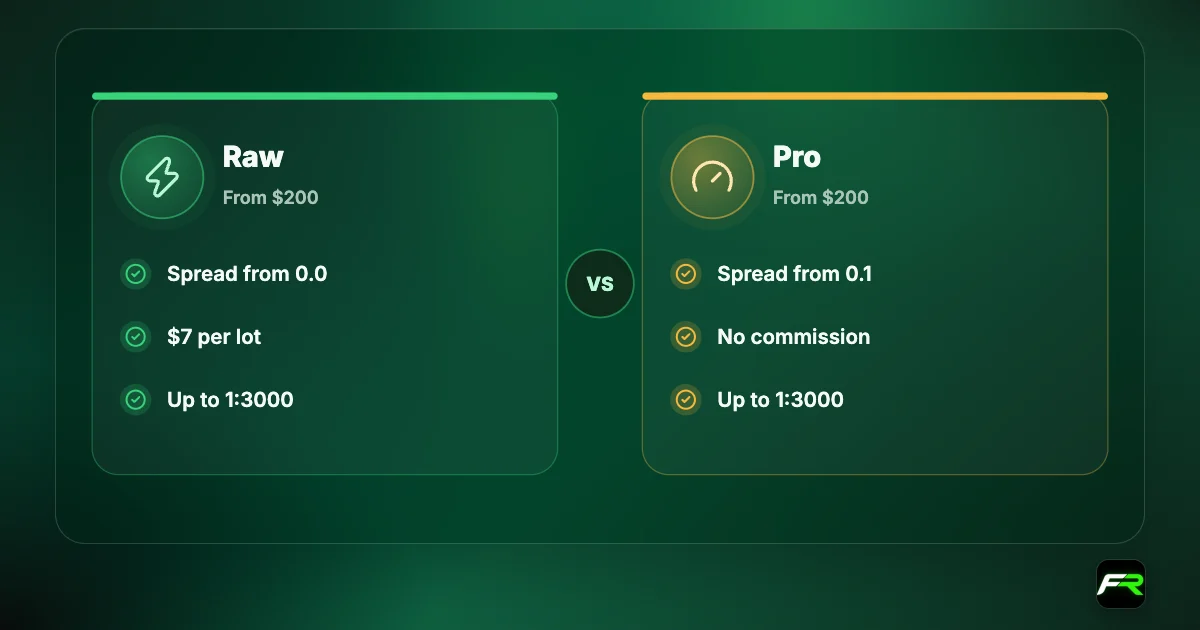
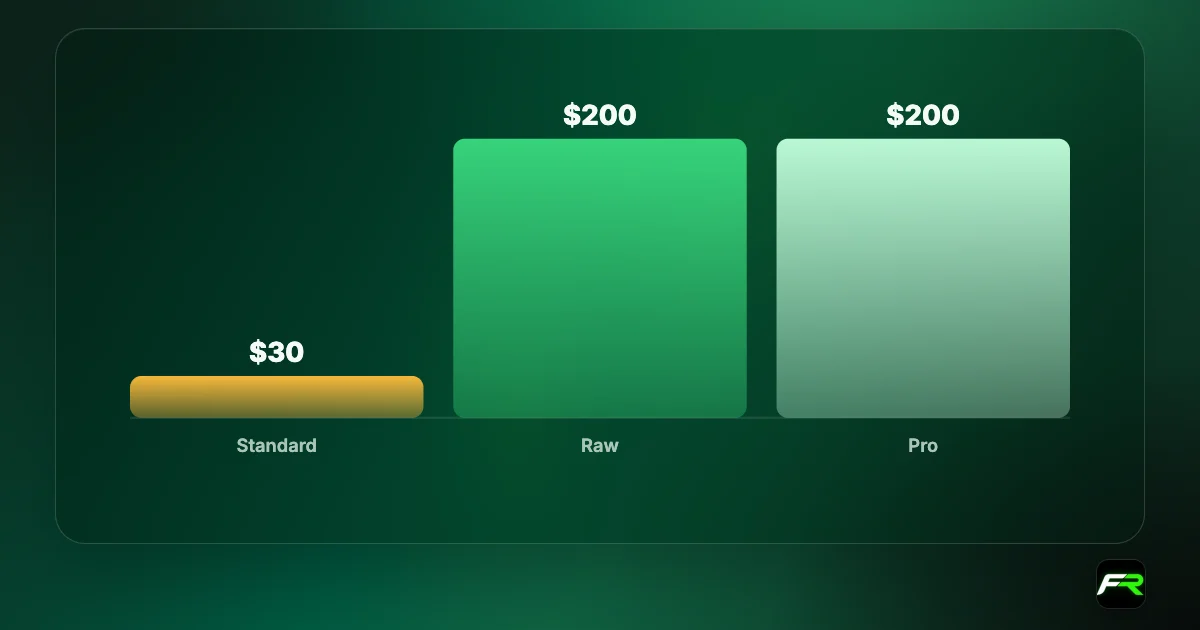
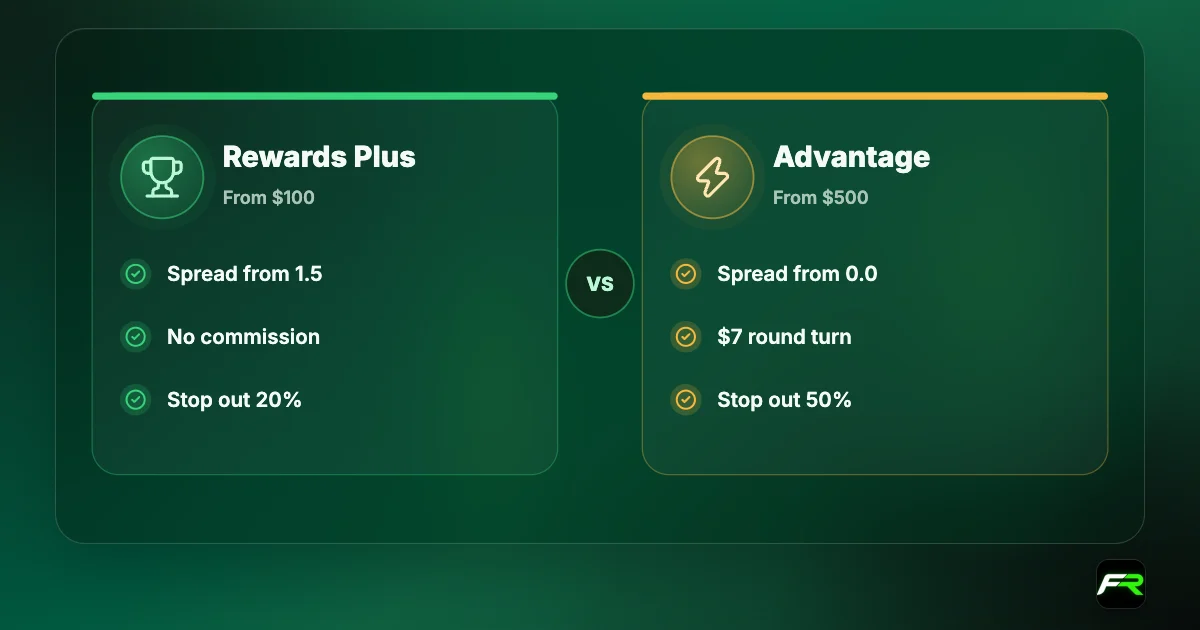
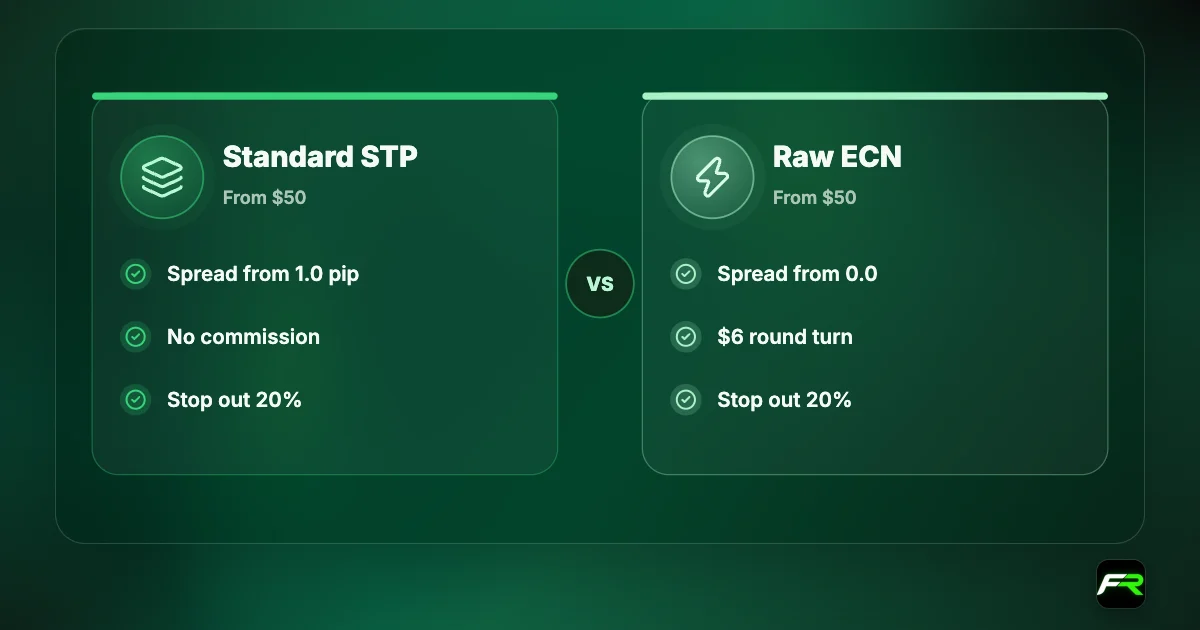
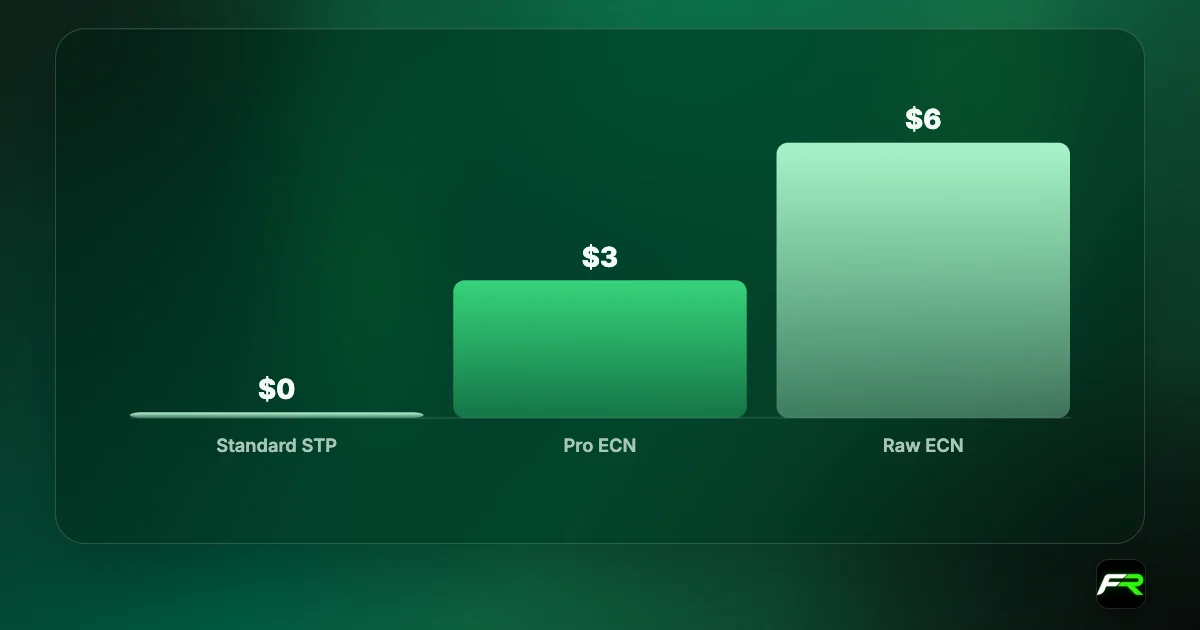
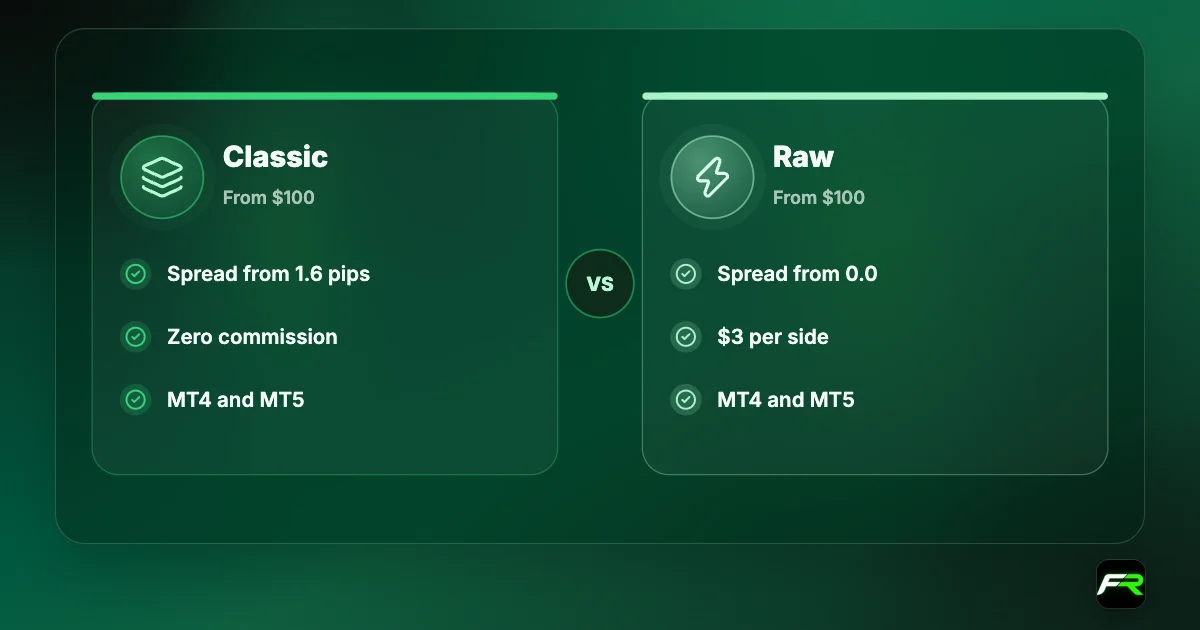
Spread-only accounts are simpler; raw-spread accounts with a commission suit frequent traders. Check the minimum deposit for each.
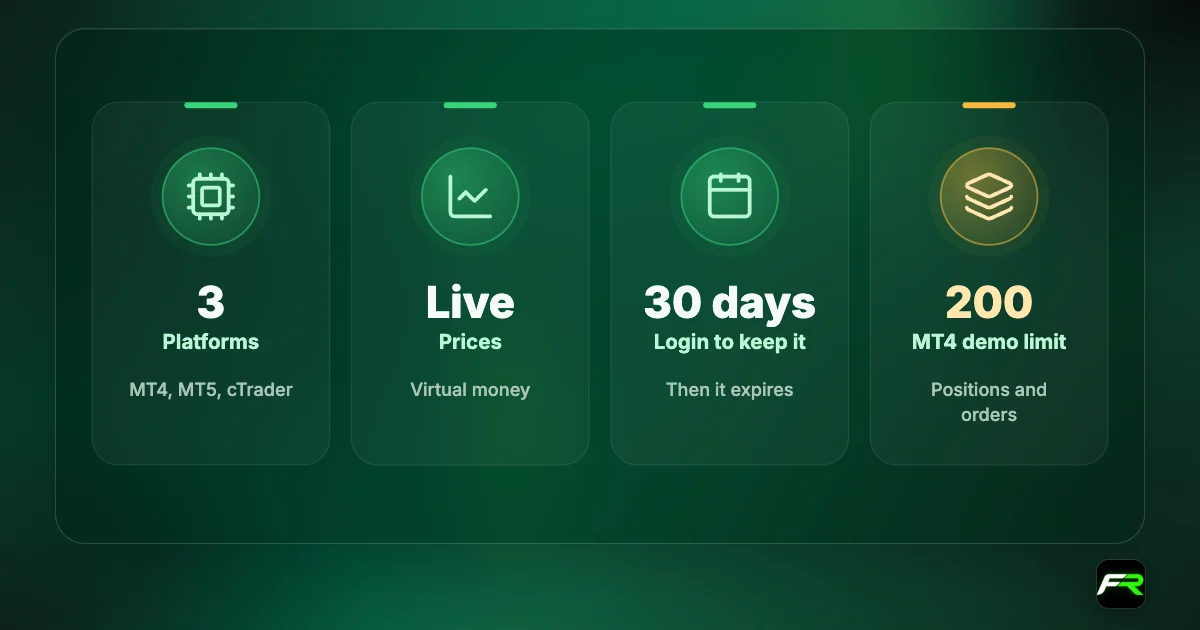
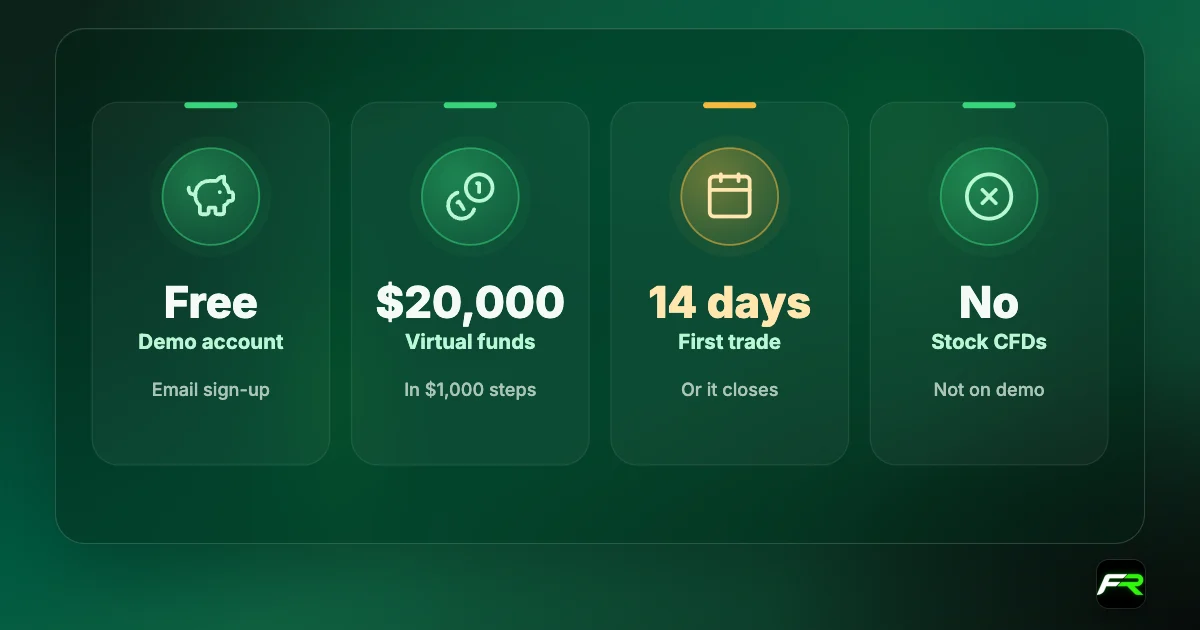
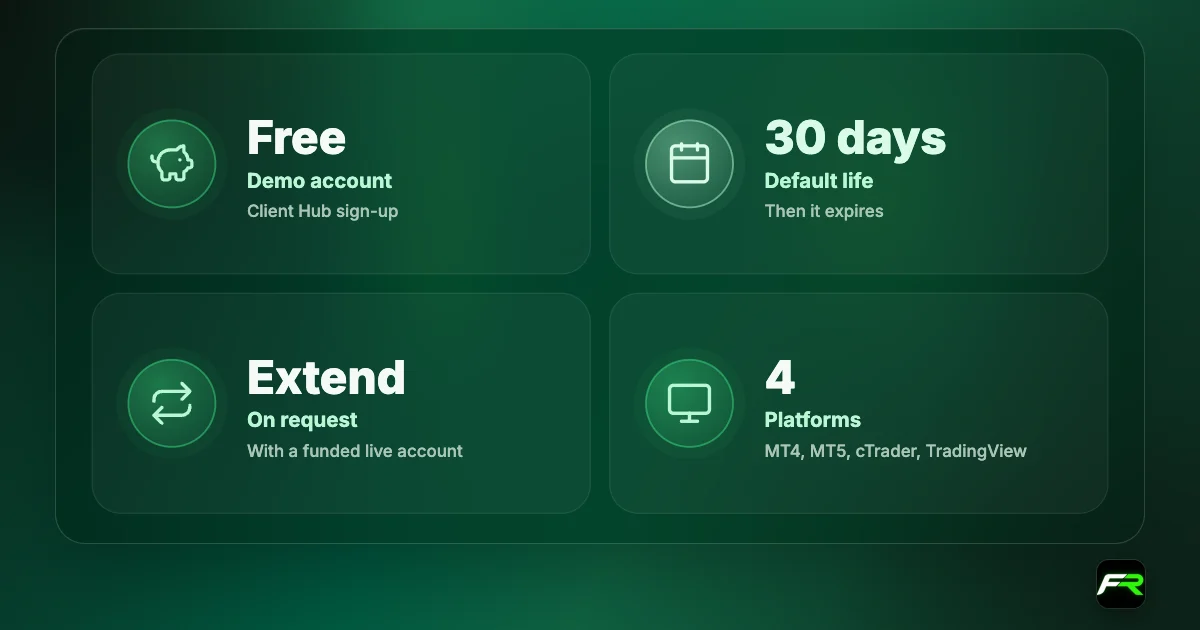
- Try the platform on a demo first
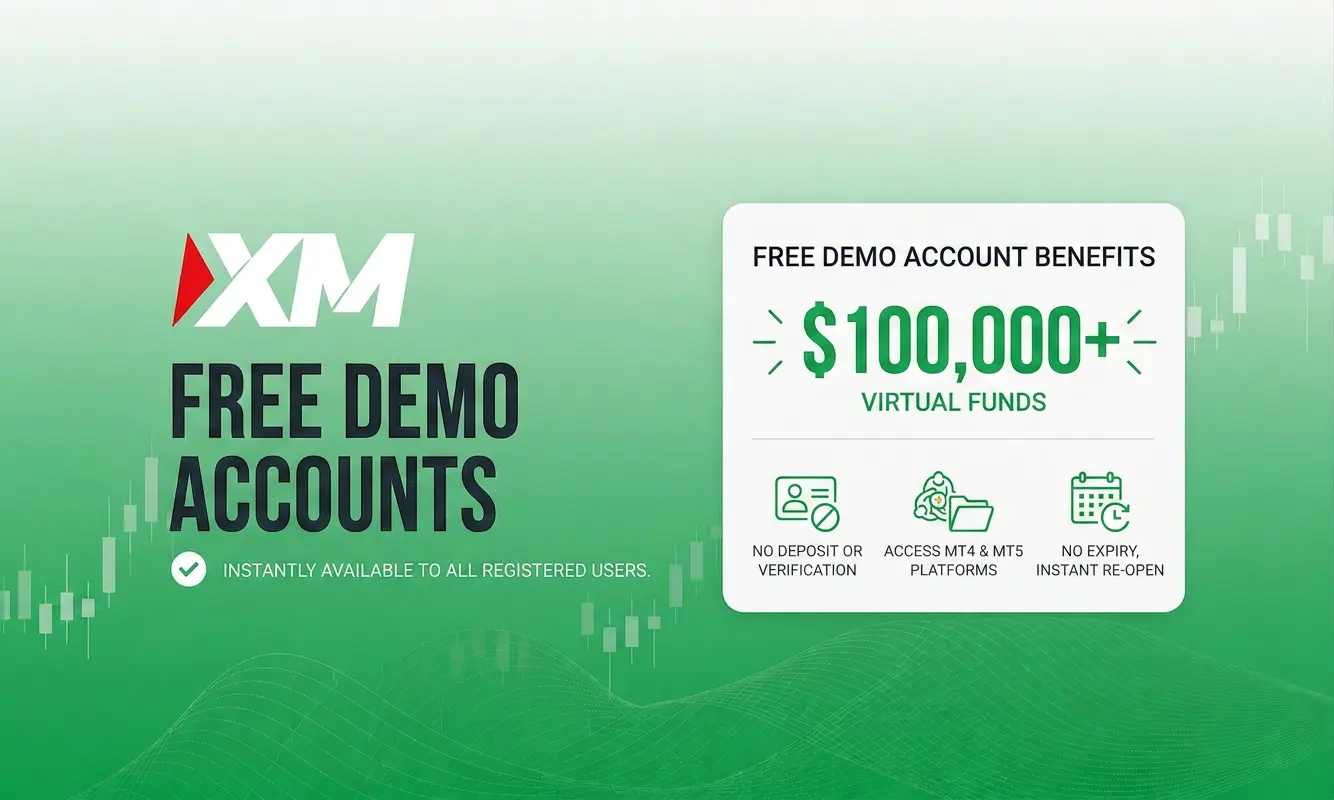
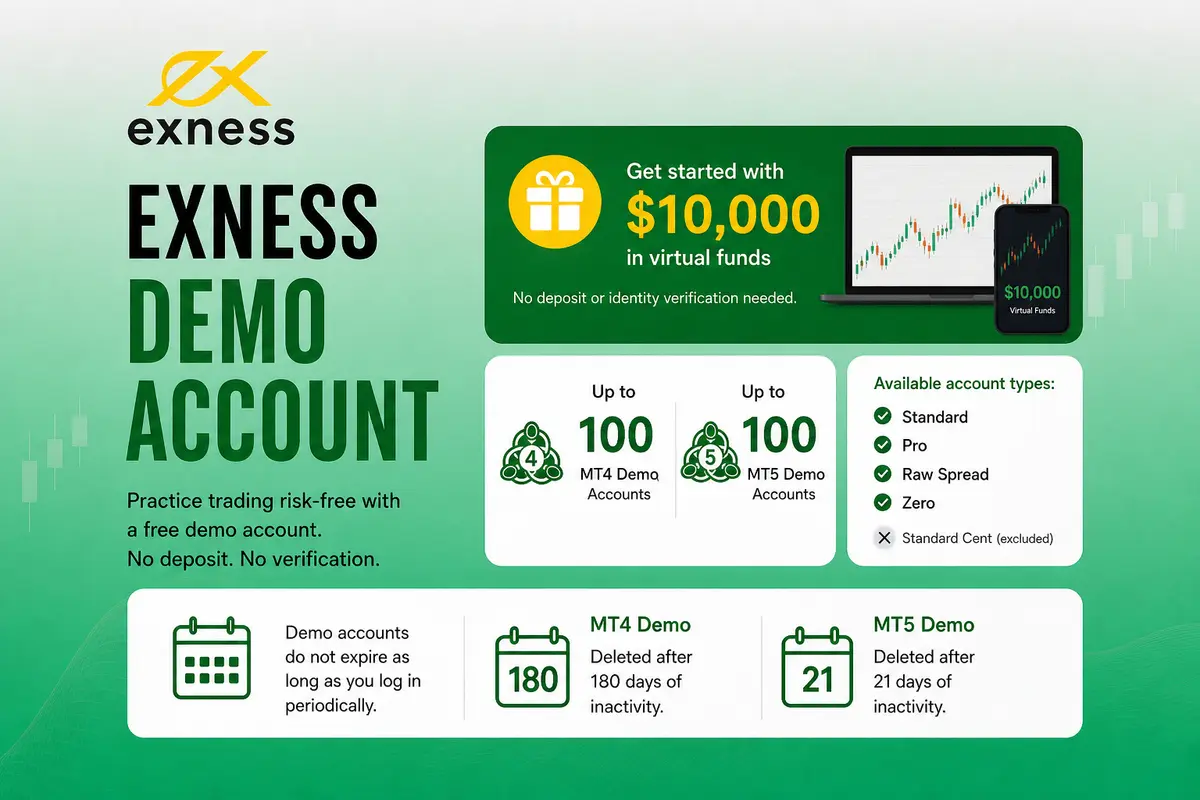
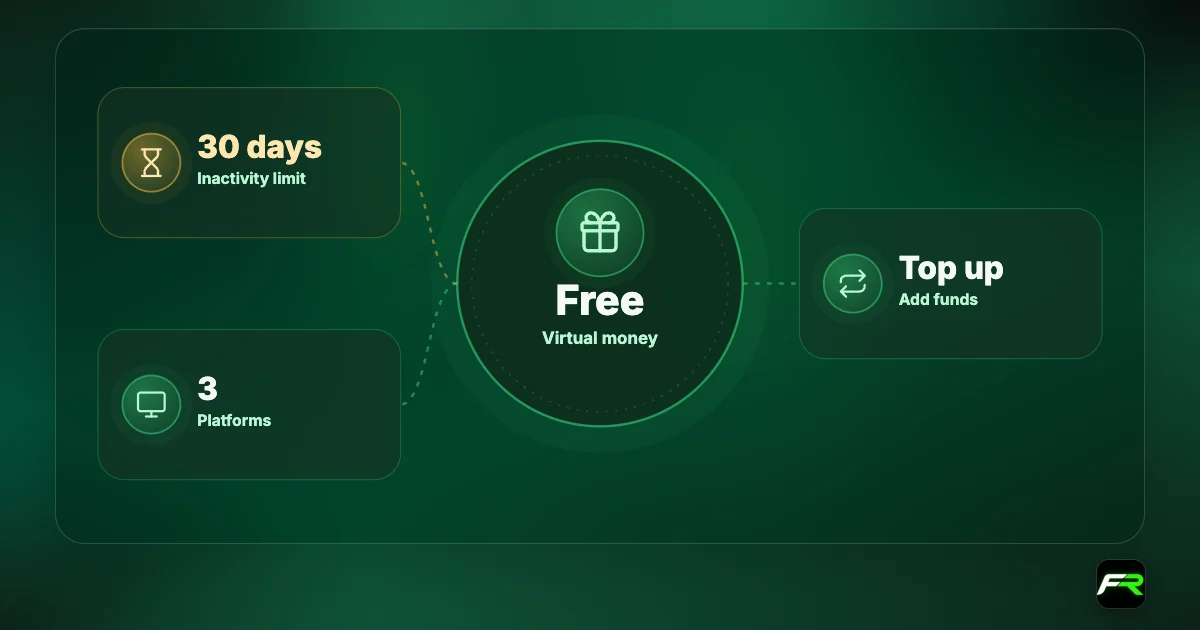
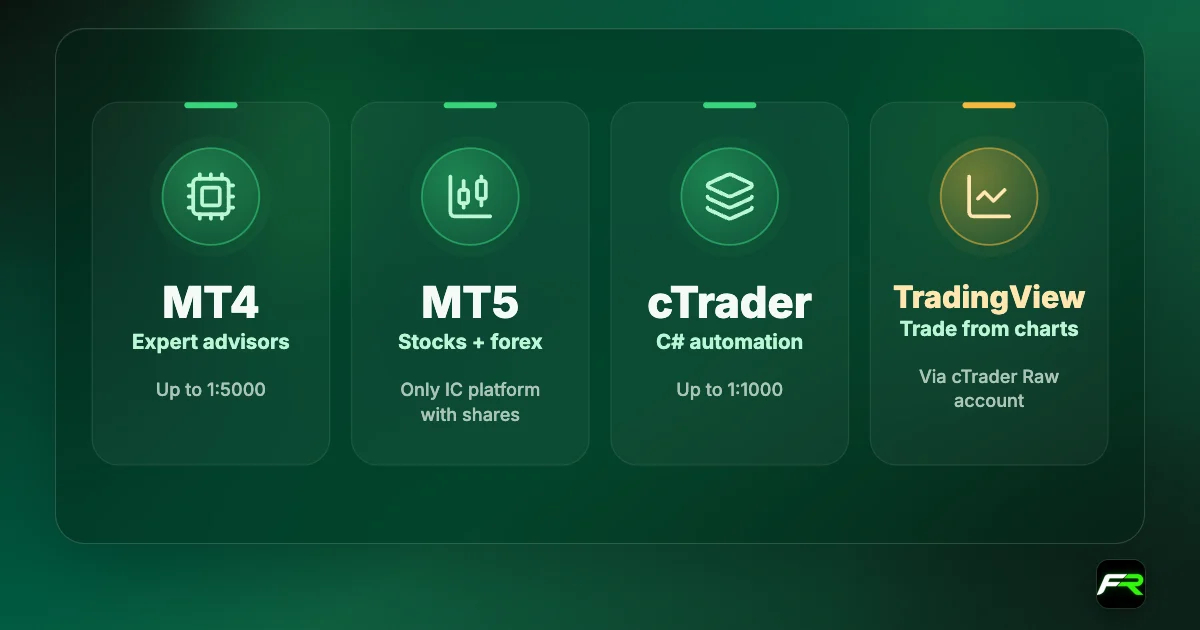
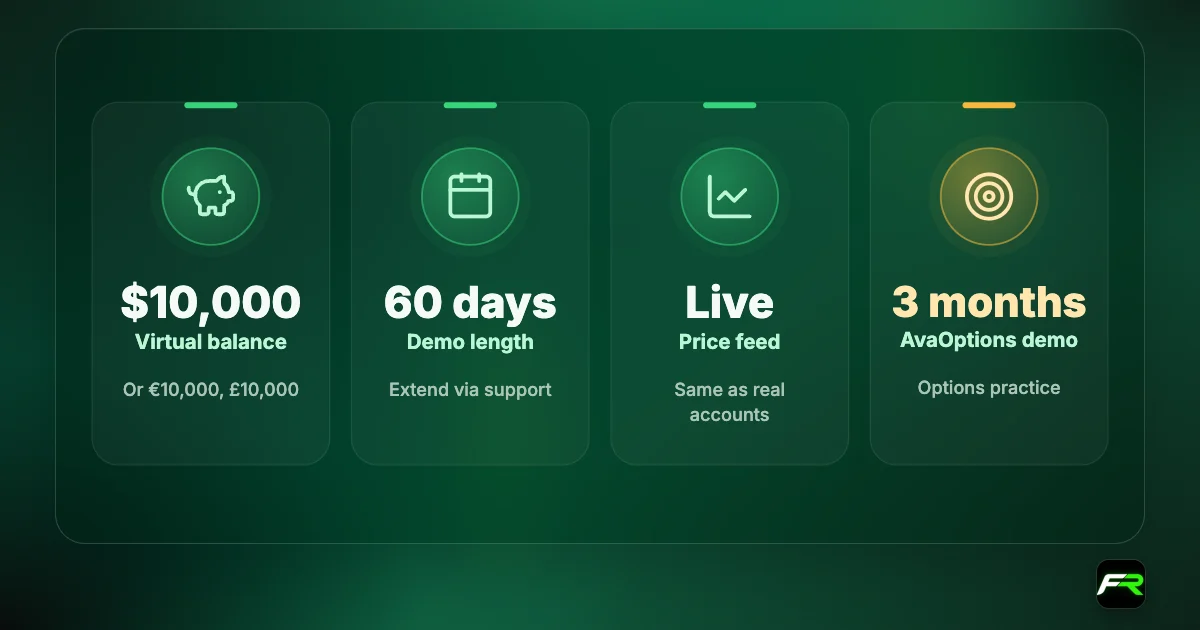
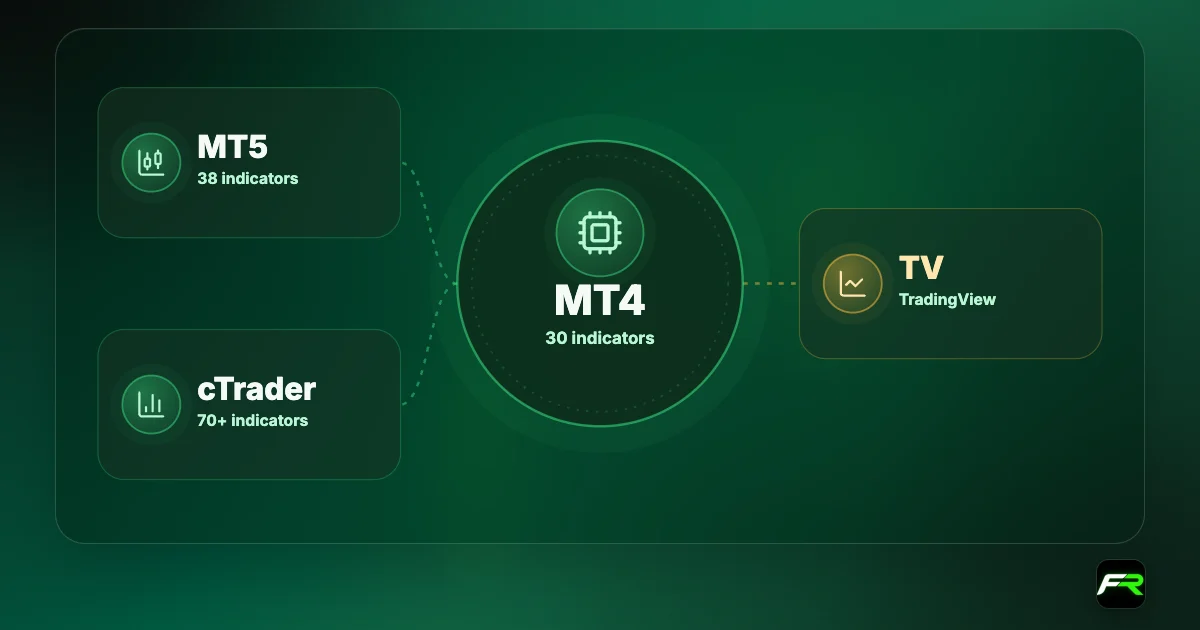
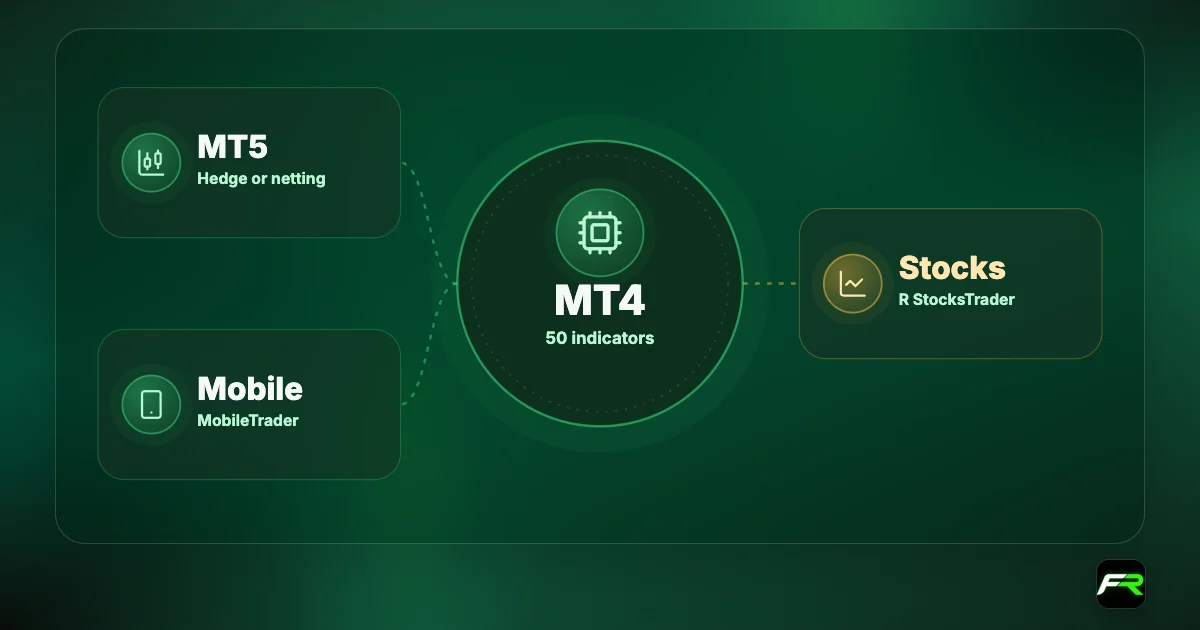
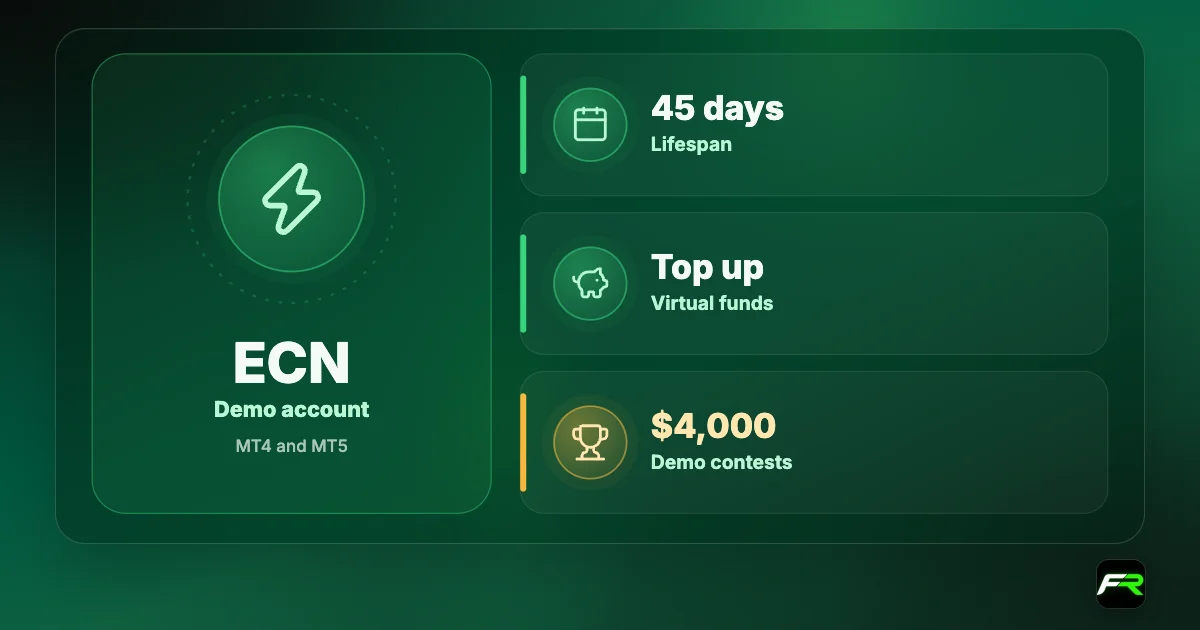
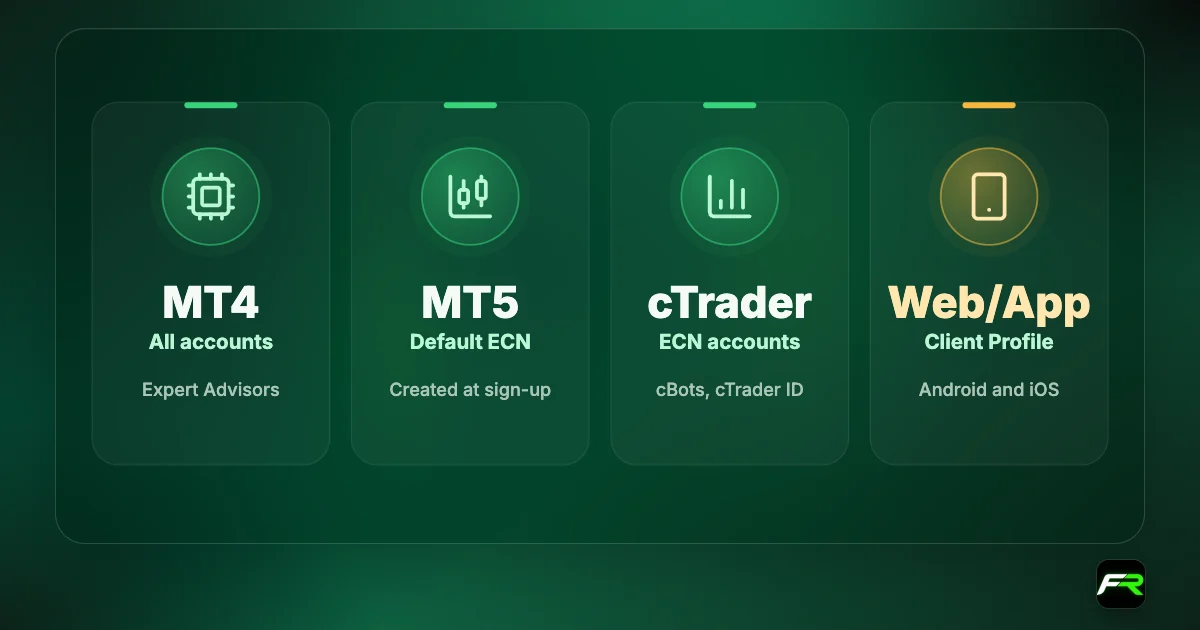
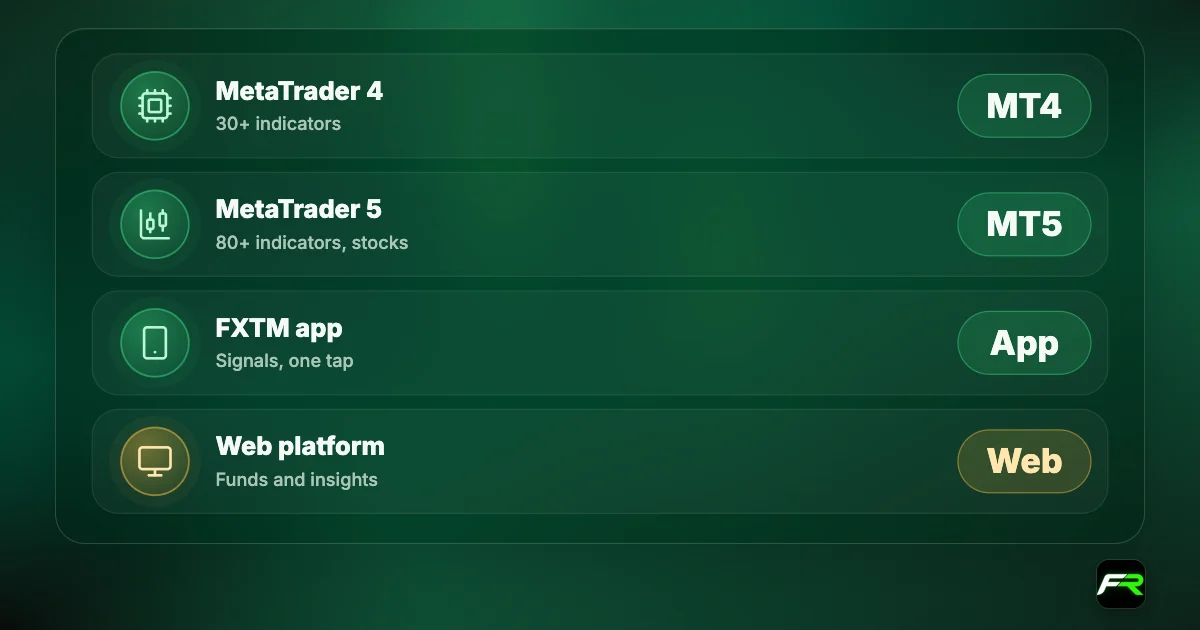
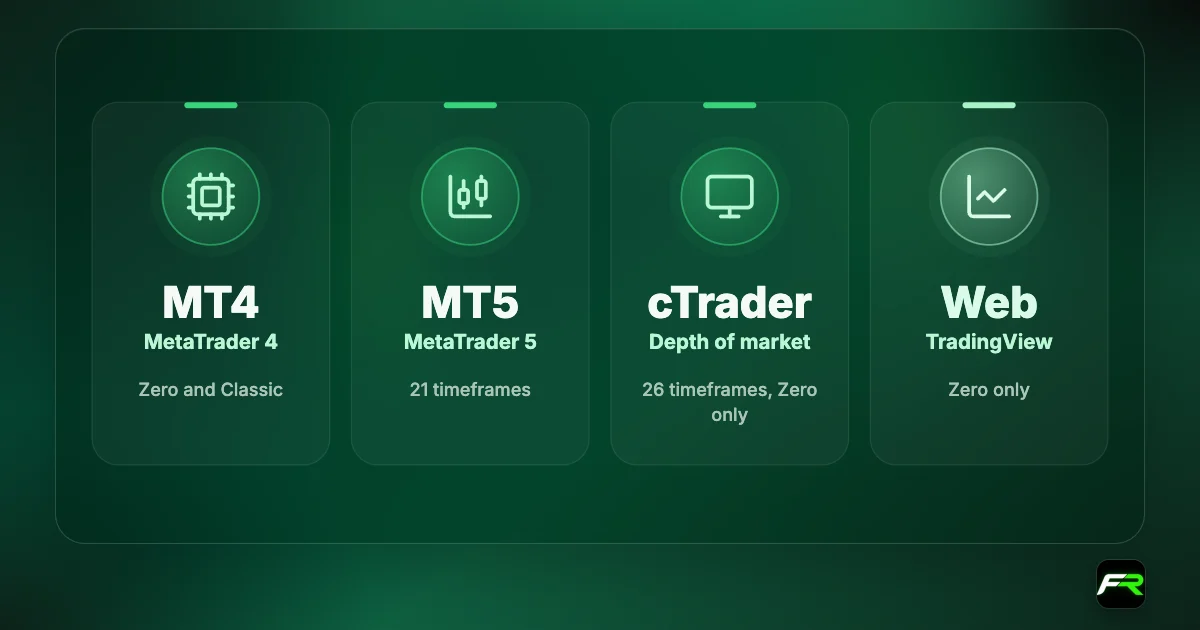
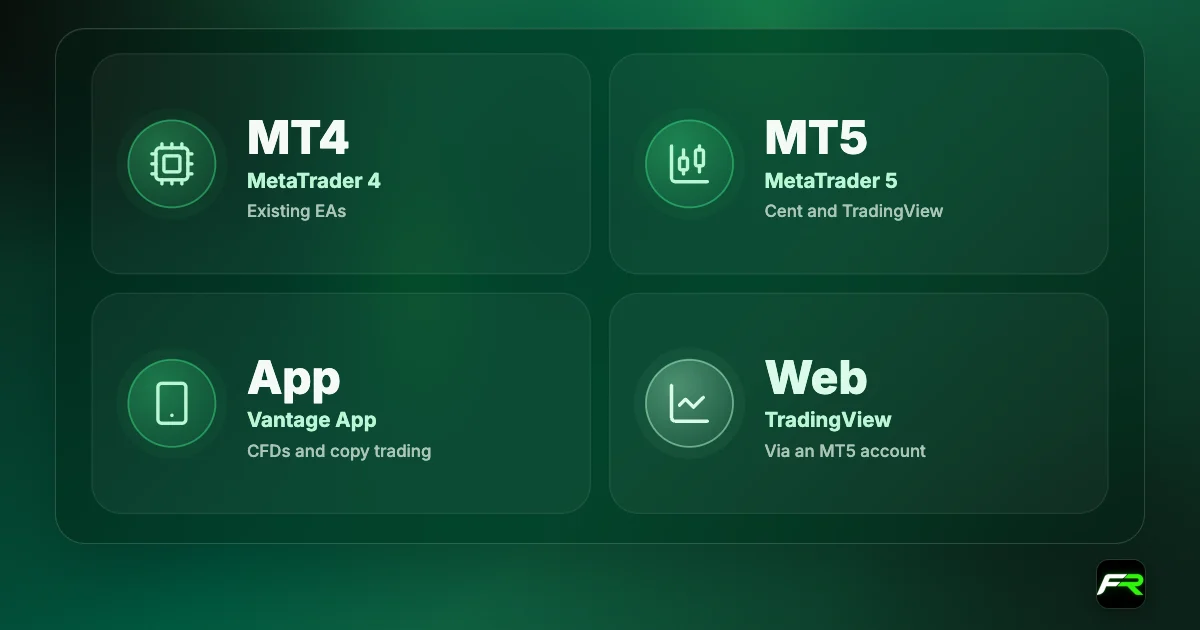
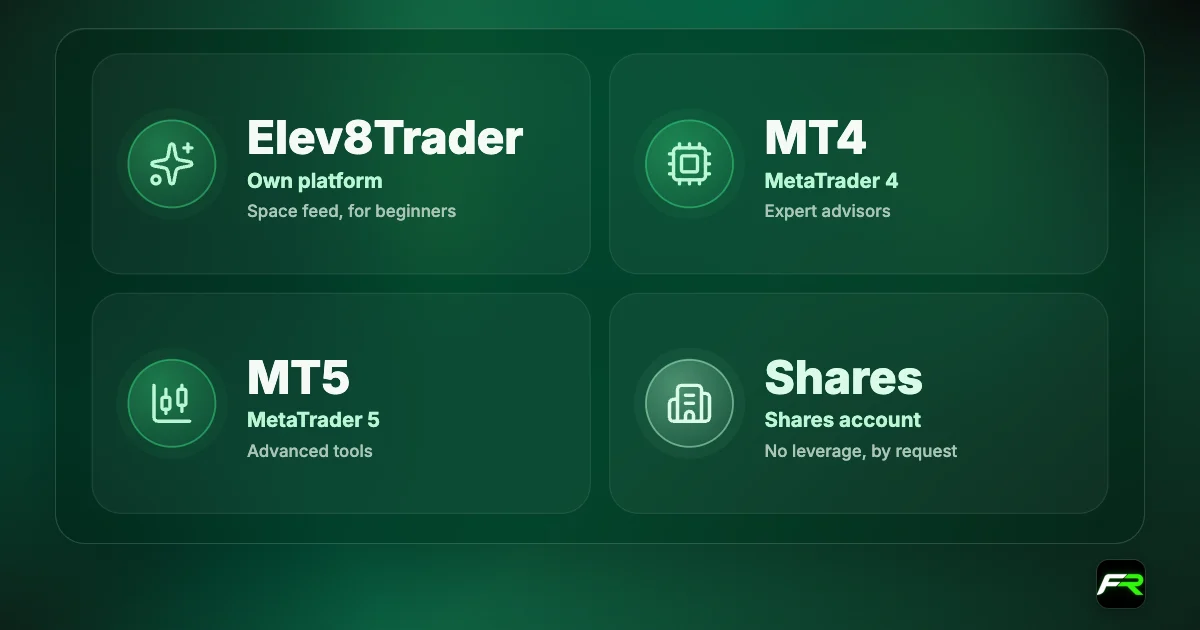
Place trades, set stops and check the charts on MT4, MT5, cTrader or the broker's app before you deposit.
Want a shortlist? Start with our best forex brokers, or answer a few questions in the broker finder.
How to check a forex broker's regulation
A licence logo on a website proves nothing. Five minutes on the regulator's own register does.
- Find the legal company name
It is in the website footer, the client agreement and the account opening form. Note the licence number too.
- Search the regulator's register
Use the register on the regulator's own website (links below). Check the firm is authorised, not just registered, and that its status is active.
- Match the website and contact details
Clone firms copy real companies' names and licence numbers. The register lists the approved websites; if yours isn't there, stop.
- Check which company you are signing up with
The sign-up form or agreement names it. A brand with an EU licence may still place you with an offshore company.
- Look for warnings and fines
Regulators publish warnings and decisions. CySEC, for example, lists every fine and settlement on its site.
What protection comes with your account
It depends on which company holds your account, not on the brand's best licence.
| Where your account is held | Max leverage, major pairs | Negative balance protection | Compensation |
|---|---|---|---|
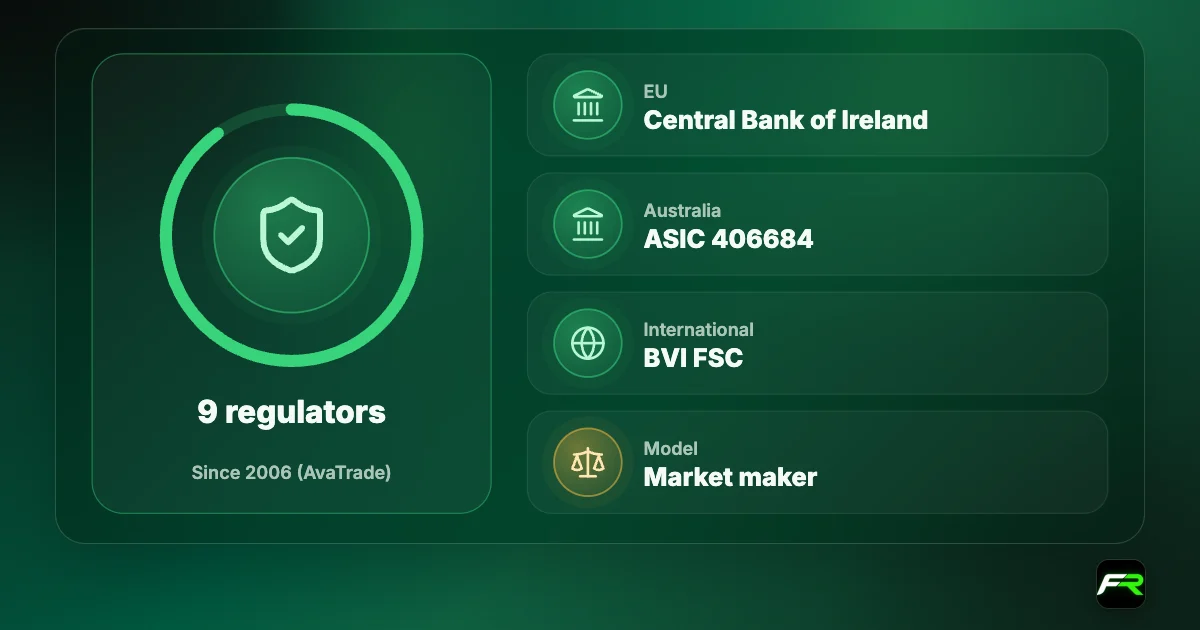
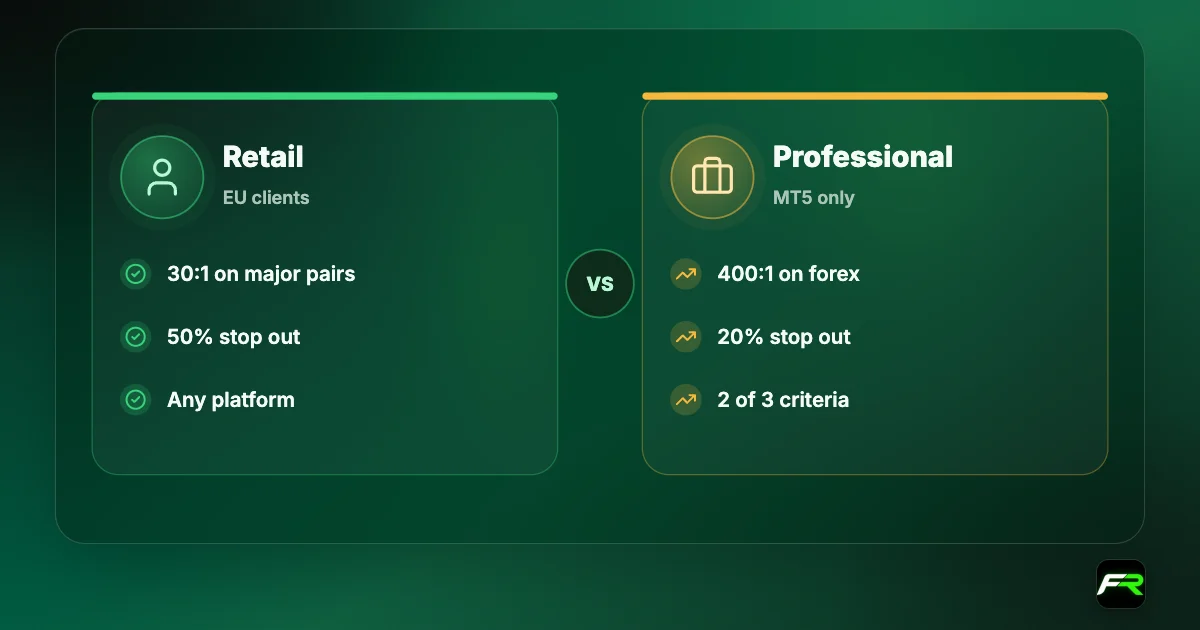
| EU (e.g. CySEC, Central Bank of Ireland) | 30:1 on major pairs | Yes, required by ESMA rules | Cyprus: Investor Compensation Fund, the lower of 90% of the claim and €20,000 |
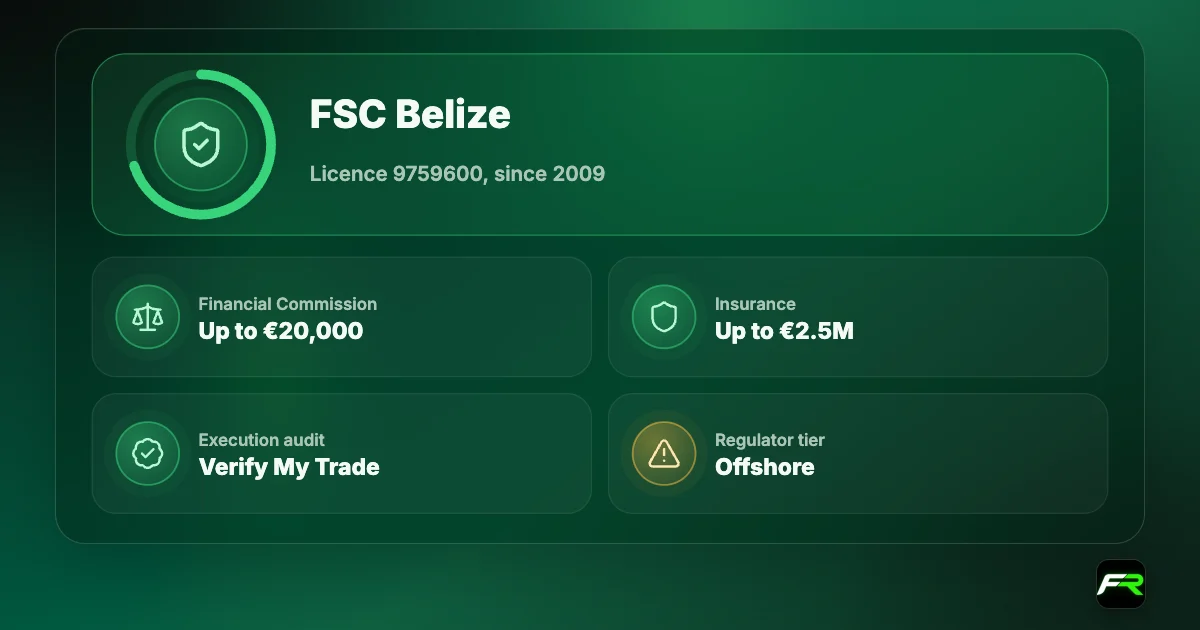
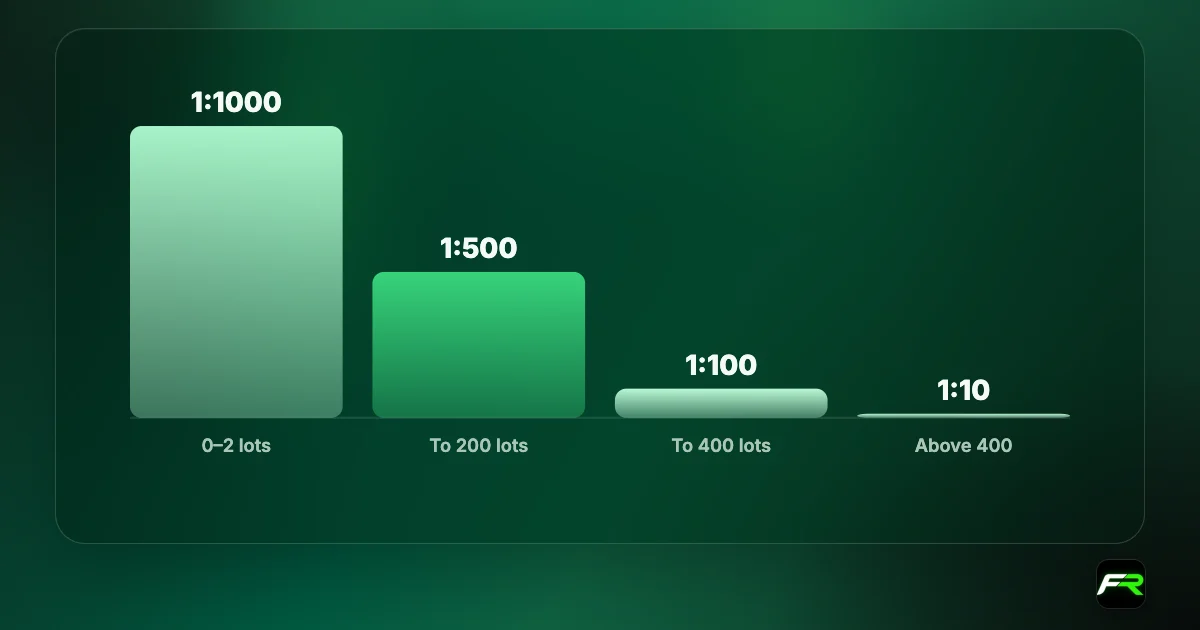
| Offshore (e.g. FSA Seychelles, FSC Mauritius, FSC Belize, SCB Bahamas) | Often 1:1000 or more | Depends on the broker | Usually none; some brokers join the Financial Commission, whose fund covers its rulings up to €20,000 per client |
Registers to search: CySEC, FCA, ASIC, FSCA and FSA Seychelles. See also our guide to forex regulators.
What a forex broker really costs
The spread is only one of up to six costs. Here is what to look for on each broker's fee page.
| Cost | What it is | What to check |
|---|---|---|
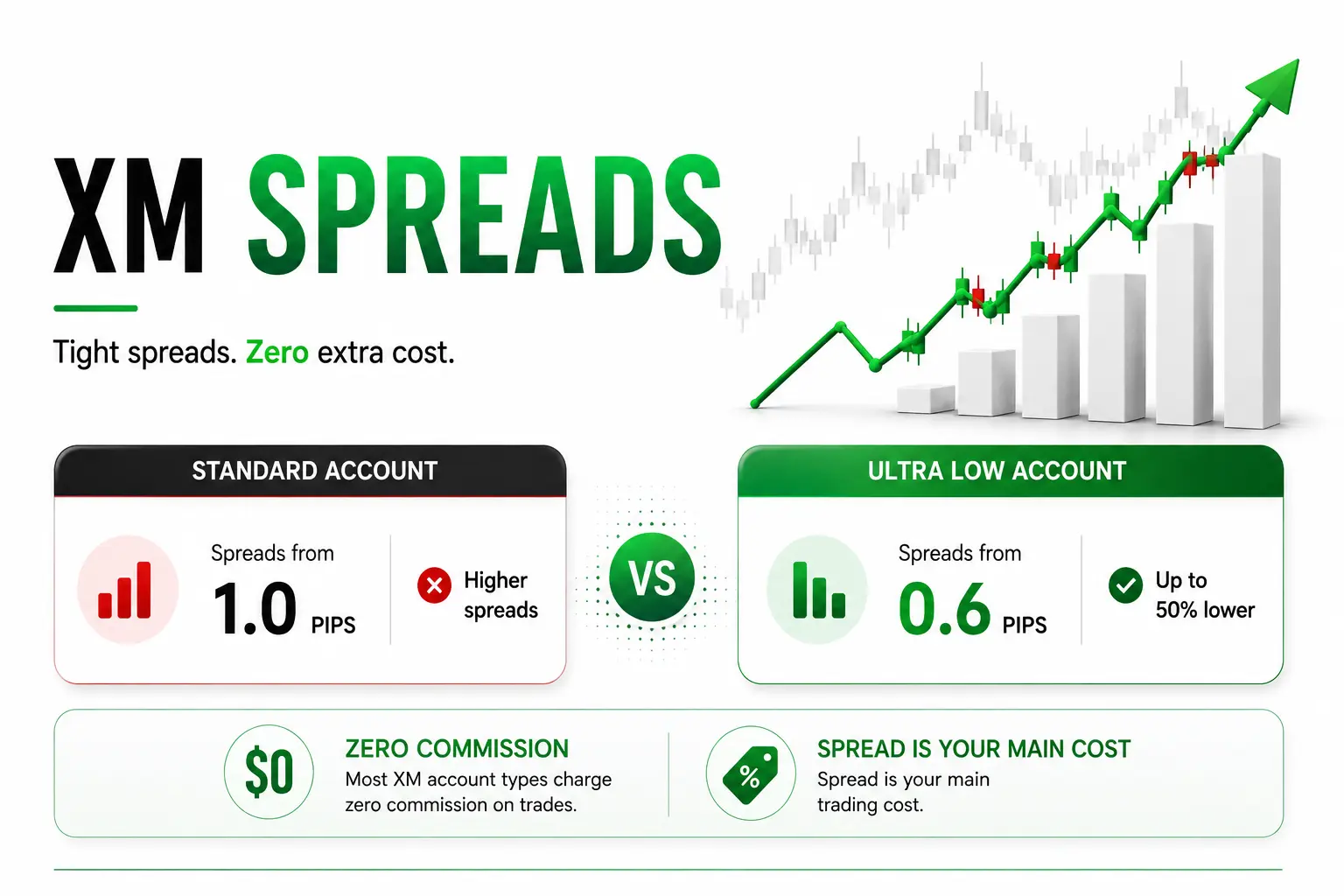
| Spread | The gap between the buy and sell price. Paid on every trade. | Compare averages, not the “from” figure. |
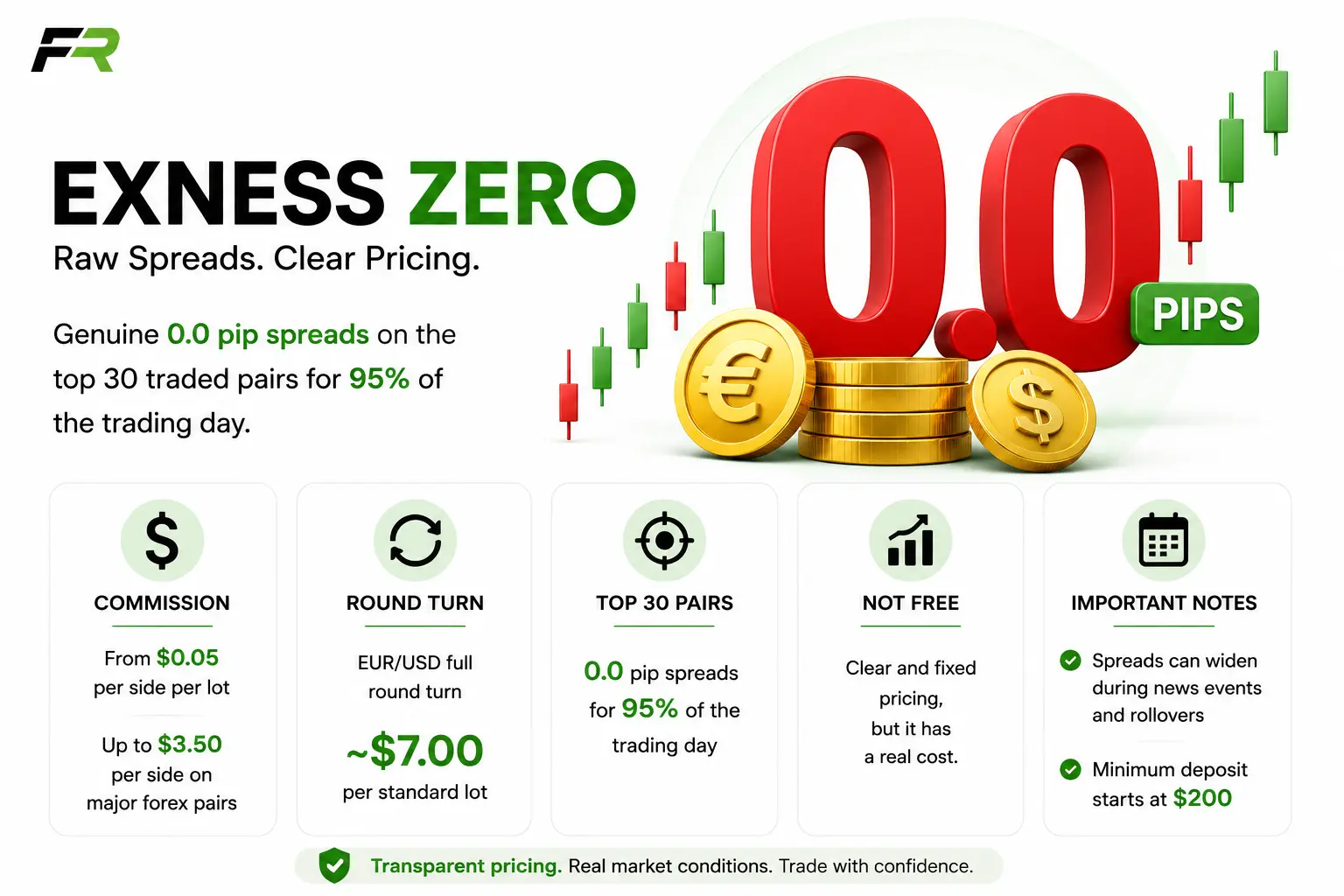
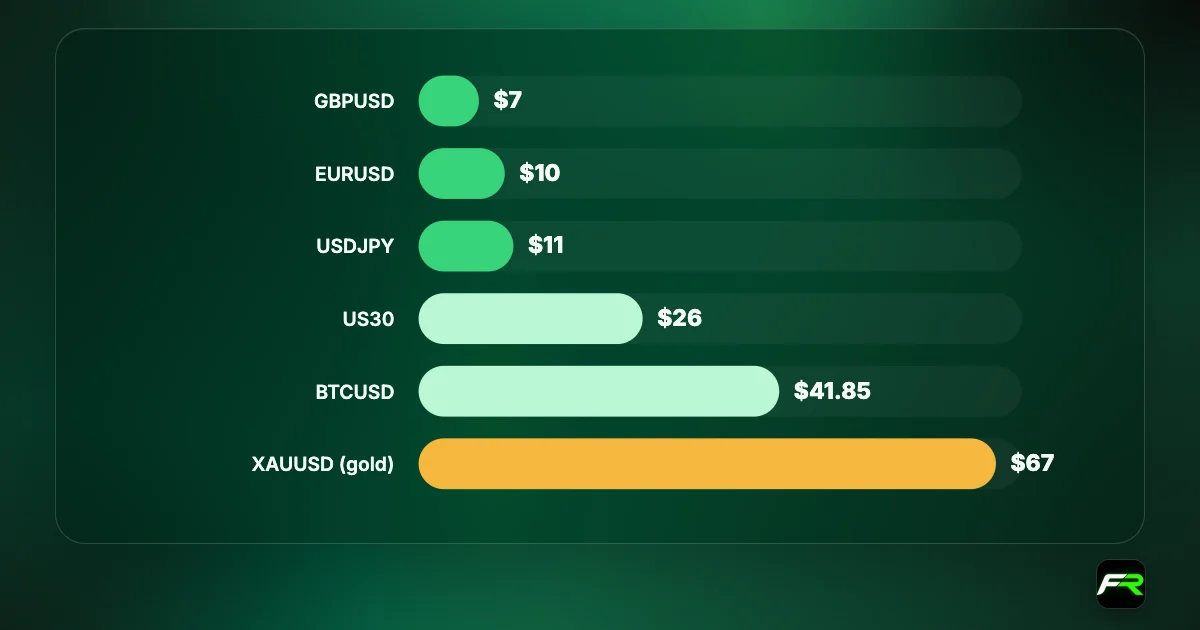
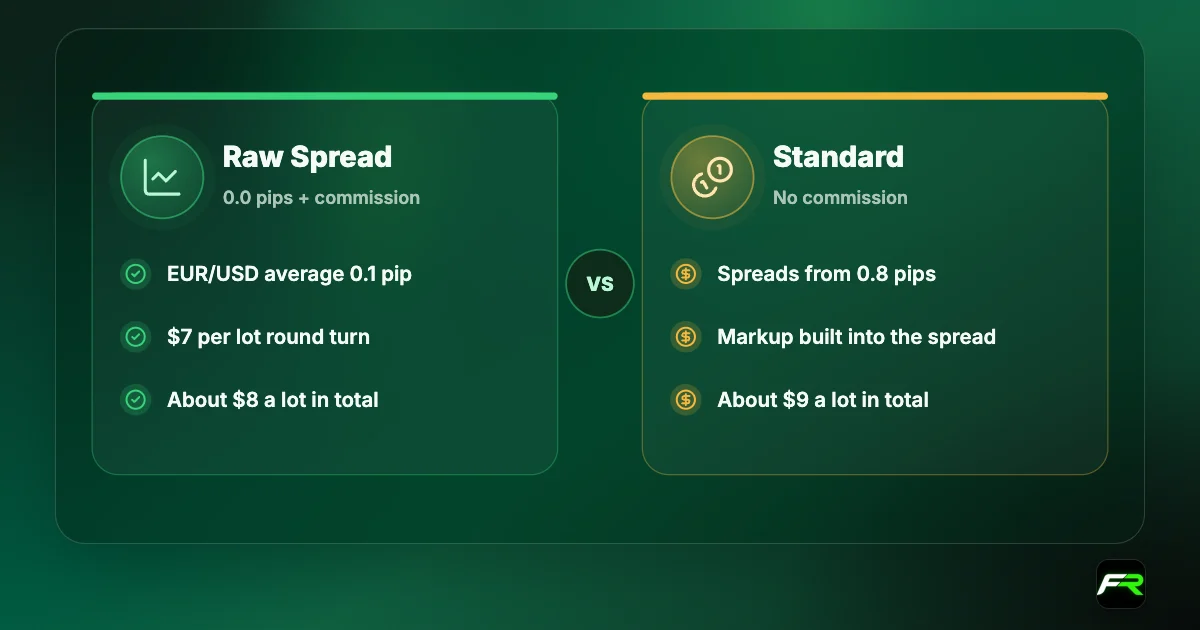
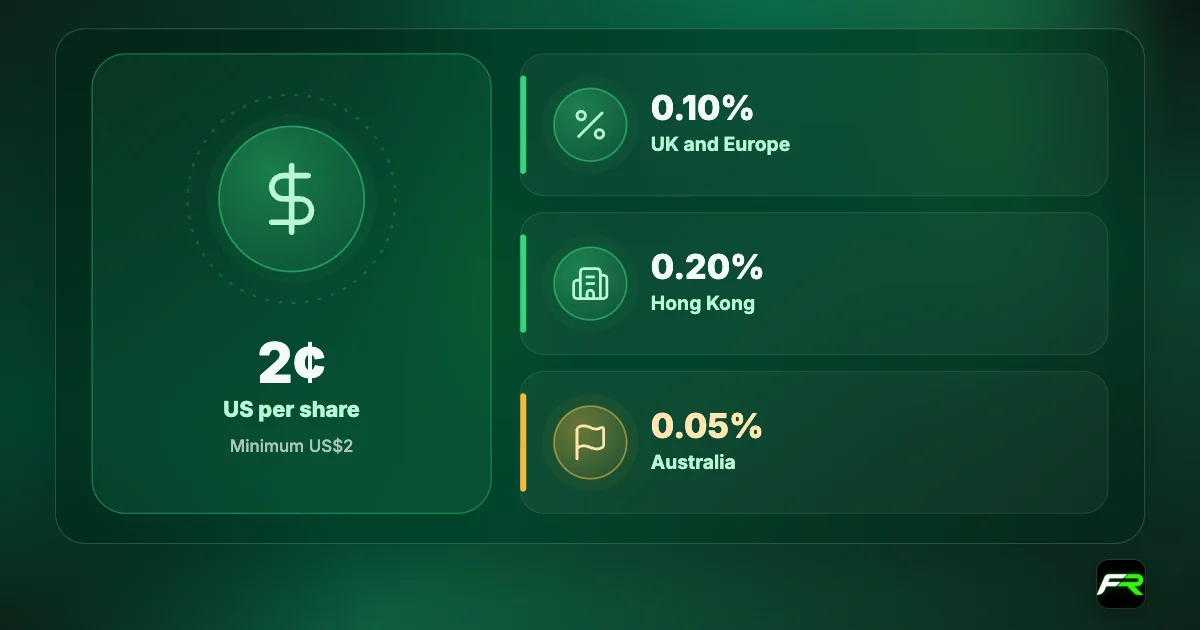
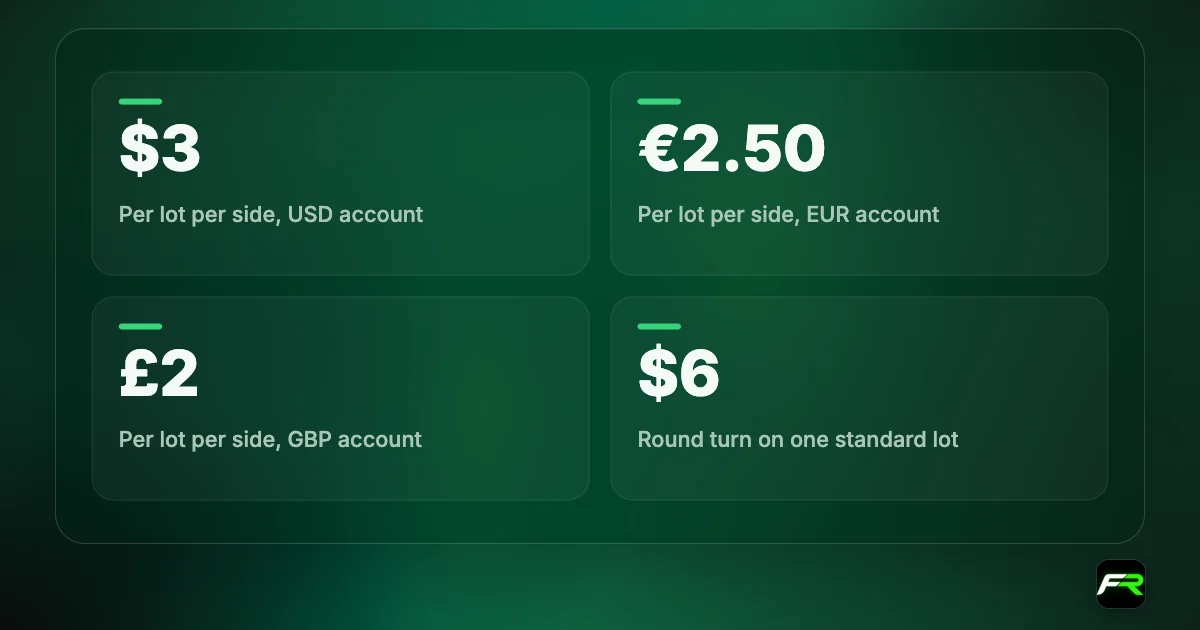
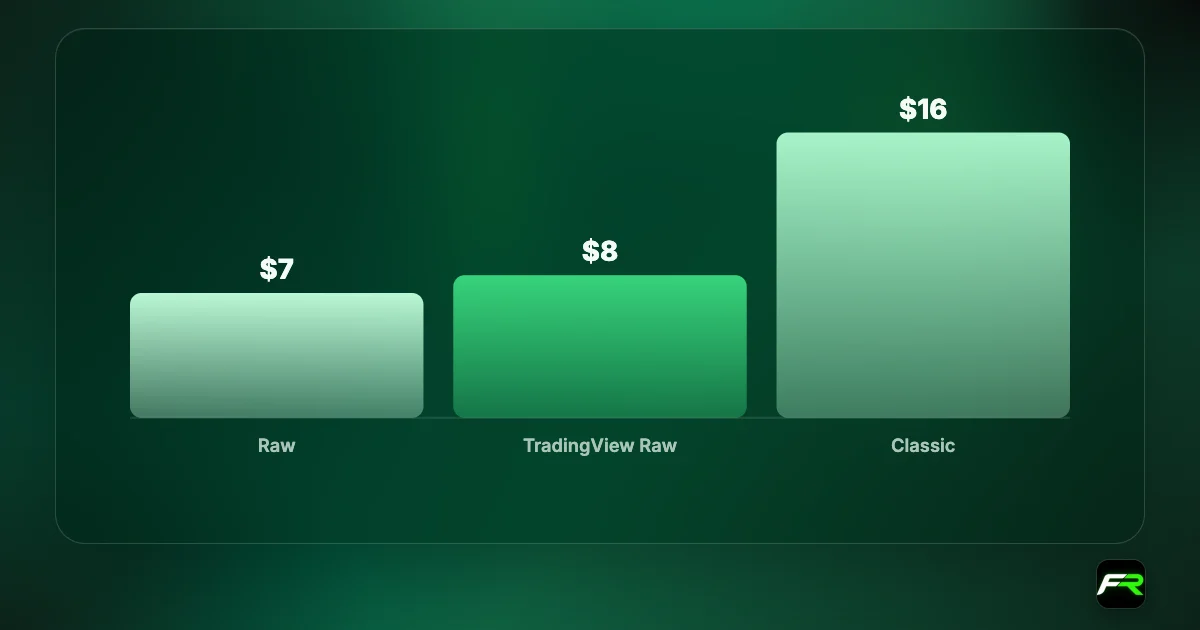
| Commission | A fixed charge per lot on raw-spread accounts. | Quoted per side or per round turn; double a per-side figure. |
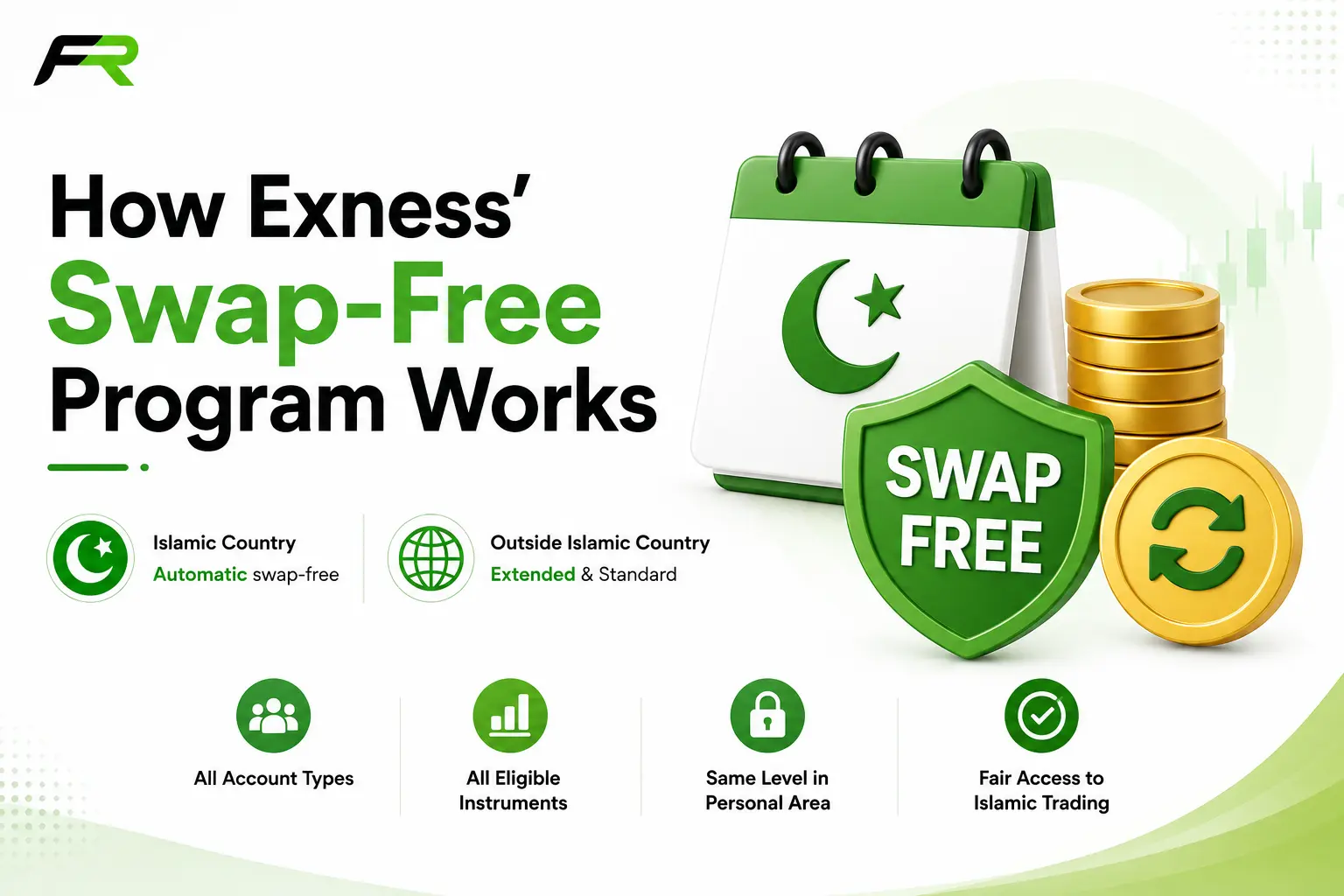
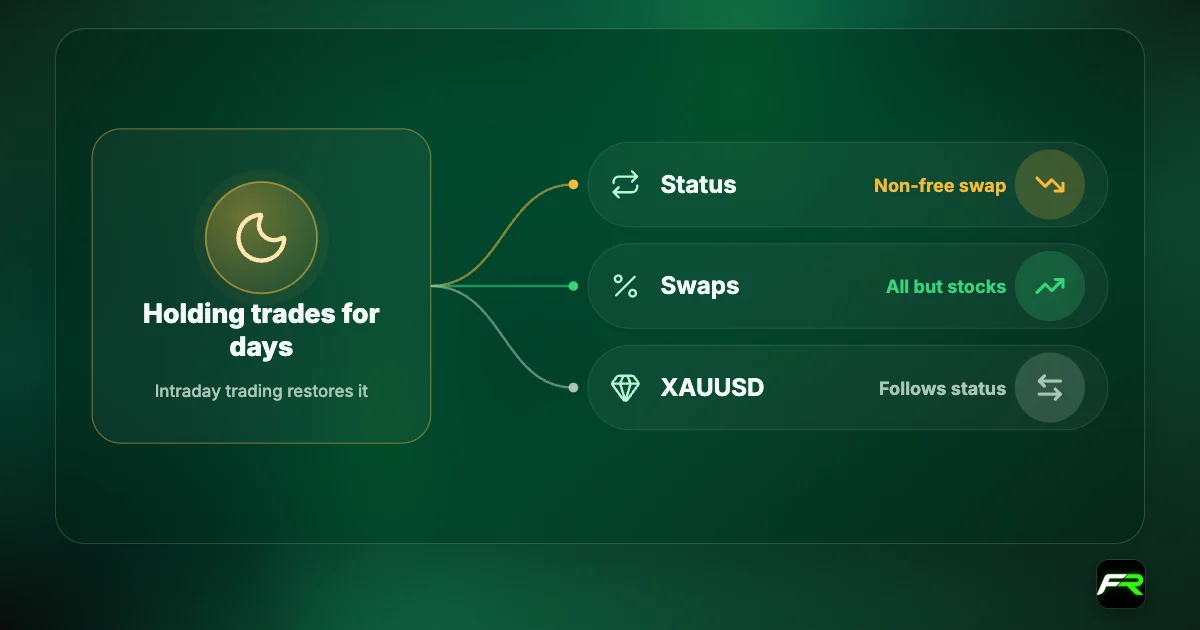
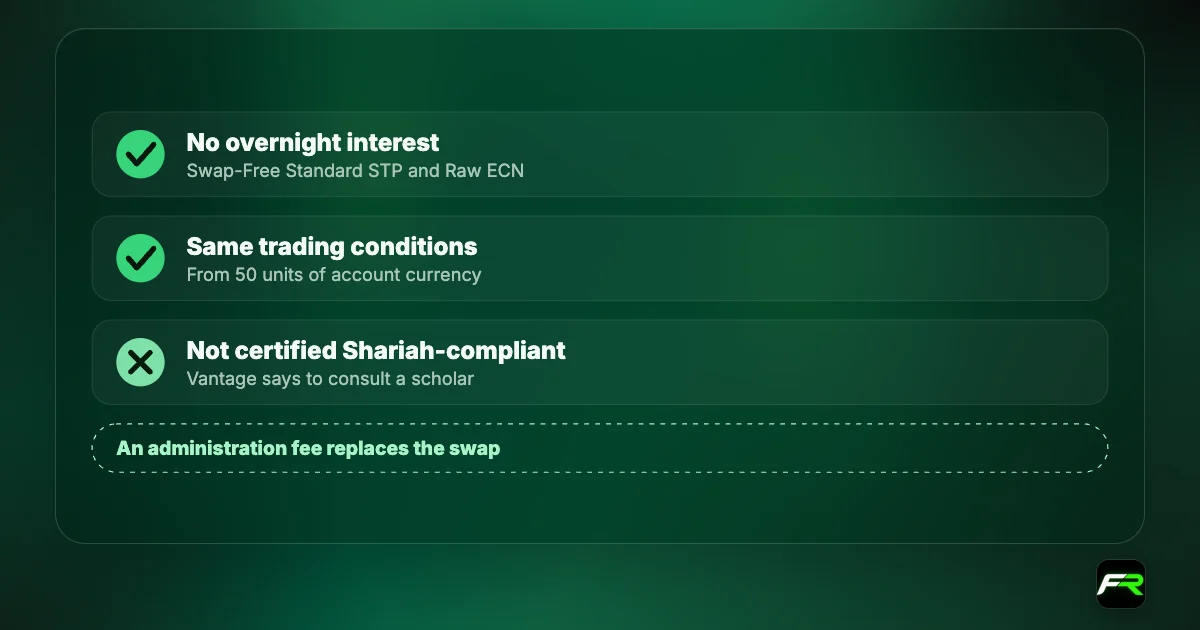
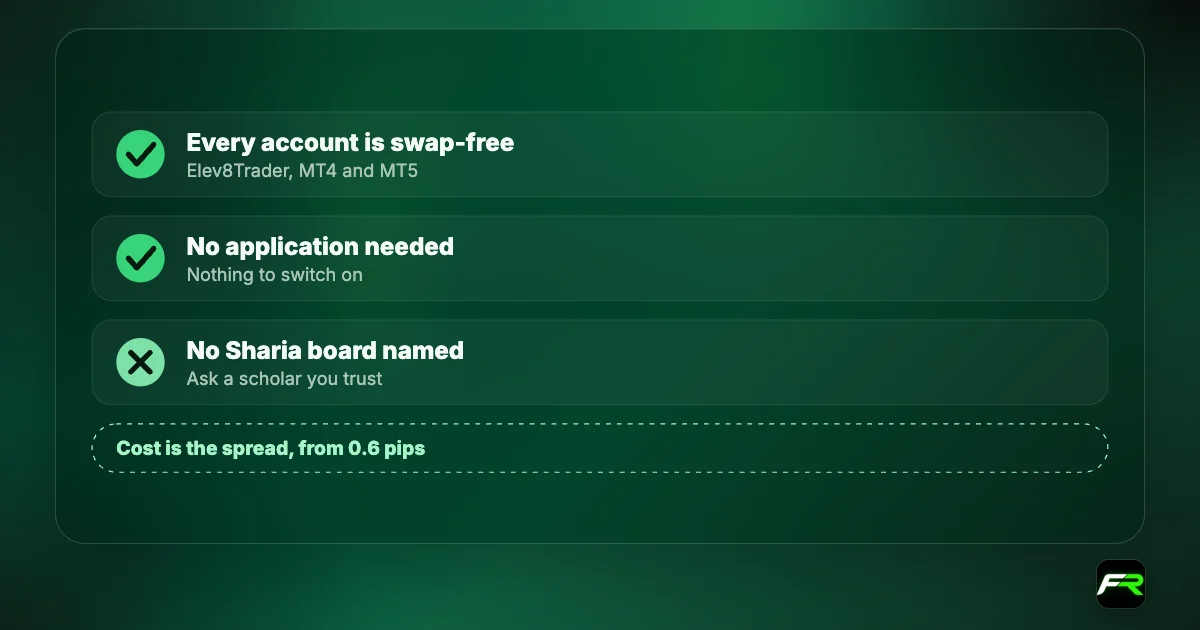
| Swap | Interest charged or paid for holding a position overnight. | Matters most for swing trades and gold. |
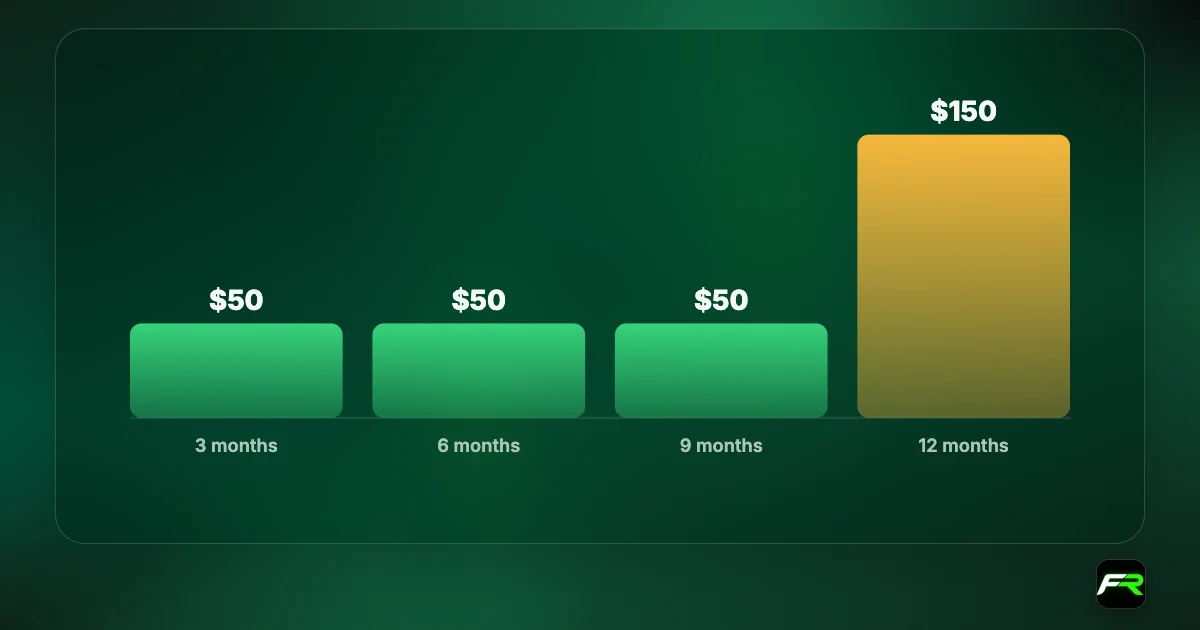
| Inactivity fee | A charge when you stop trading for a while. | AvaTrade charges $50 after 3 months; Exness charges none. |
| Currency conversion | When your deposit currency differs from your account currency. | Open the account in the currency you deposit. |
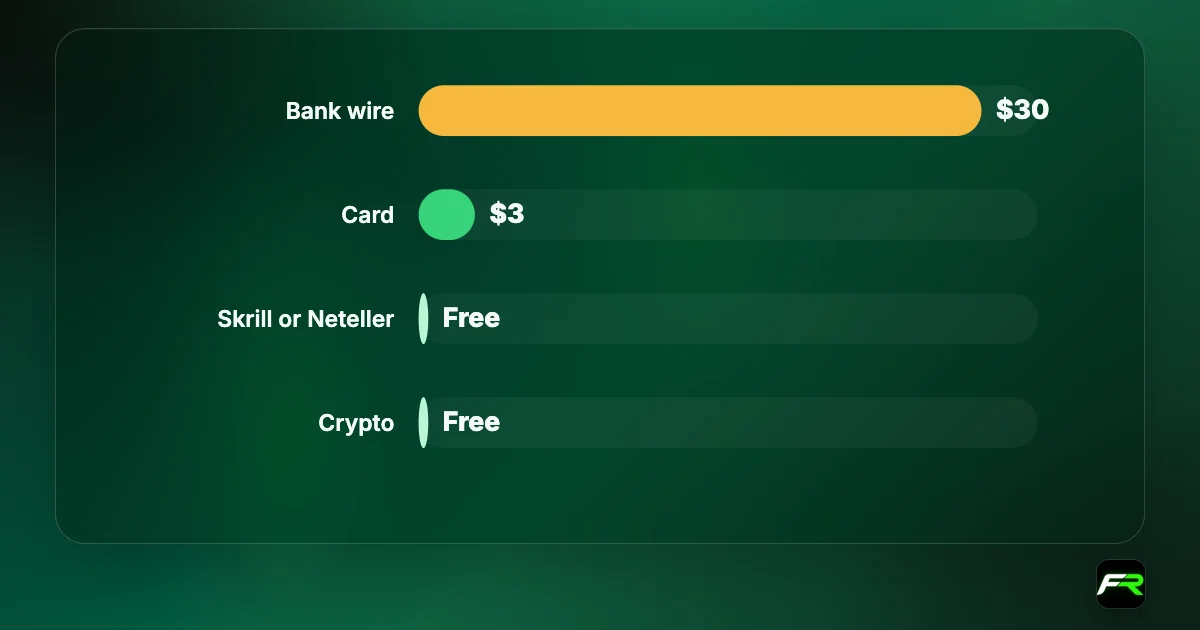
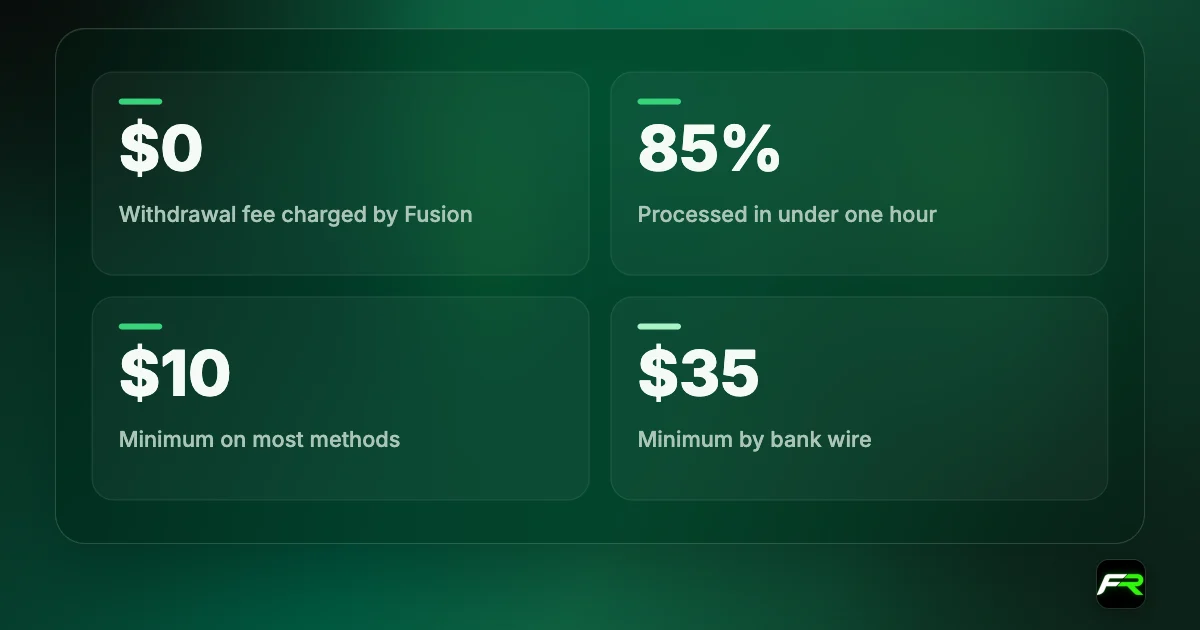
| Withdrawal fees | Charged by the broker or by your bank or payment provider. | XM and IC Markets charge none themselves; banks and payment providers may. |
All-in cost of one trade
(spread in pips × pip value) + round-turn commission + swap
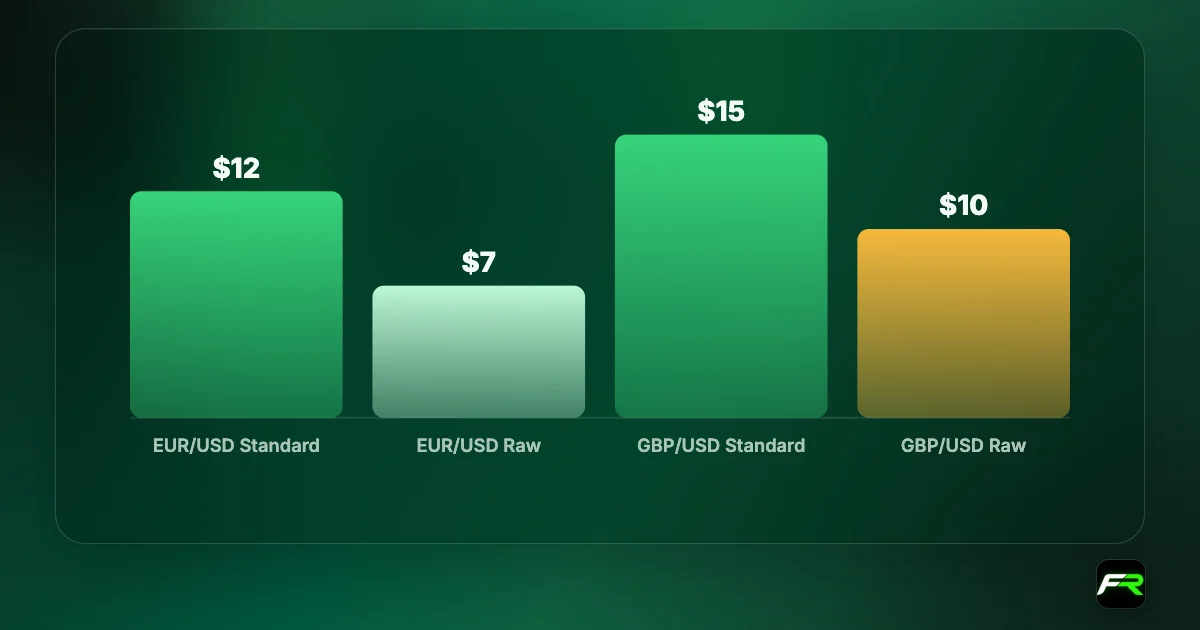
Example with round numbers: one standard lot of EUR/USD, where a pip is worth $10. A 1.0-pip spread with no commission costs $10. A 0.1-pip spread plus $3.50 commission per side costs $1 + $7 = $8. Use the averages each broker publishes, not its “from” figures.
Run your own numbers in the trading cost calculator.
Leverage limits for retail traders
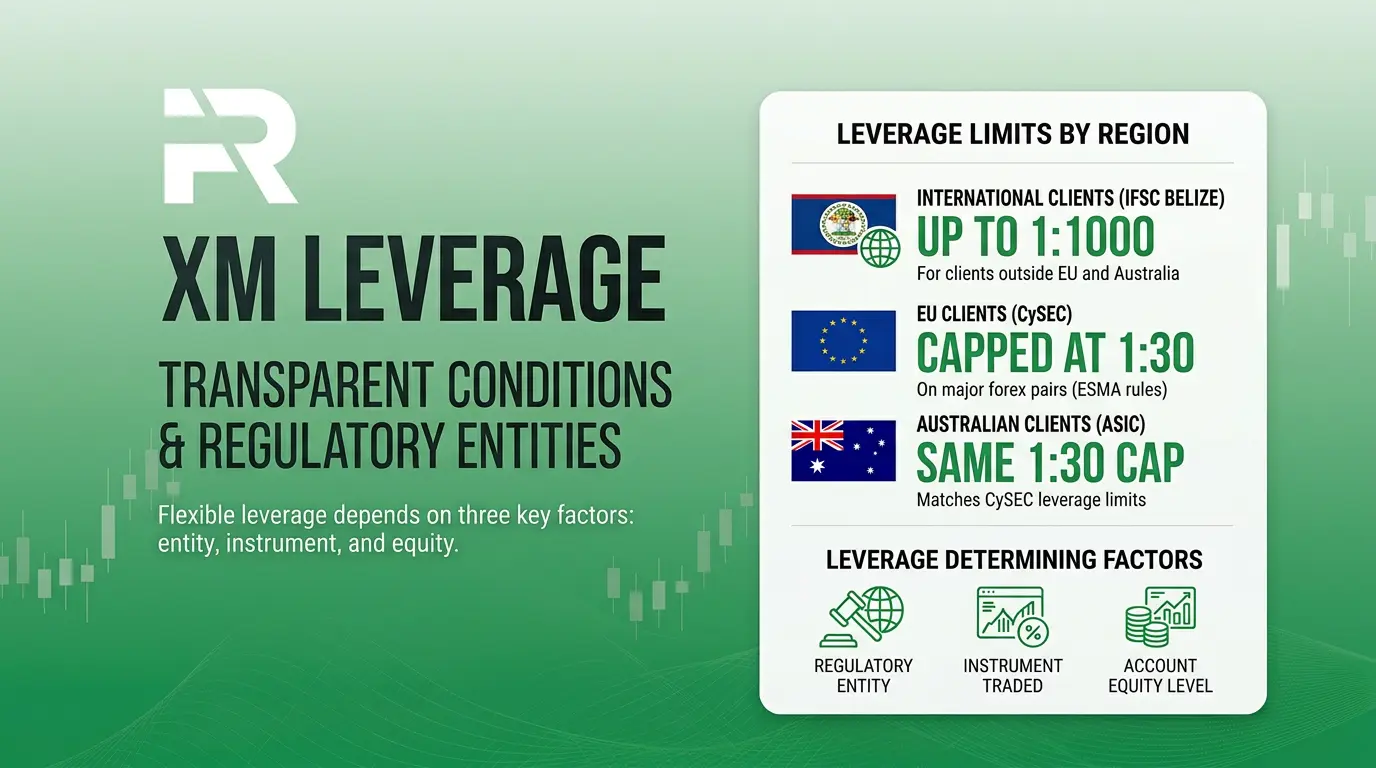
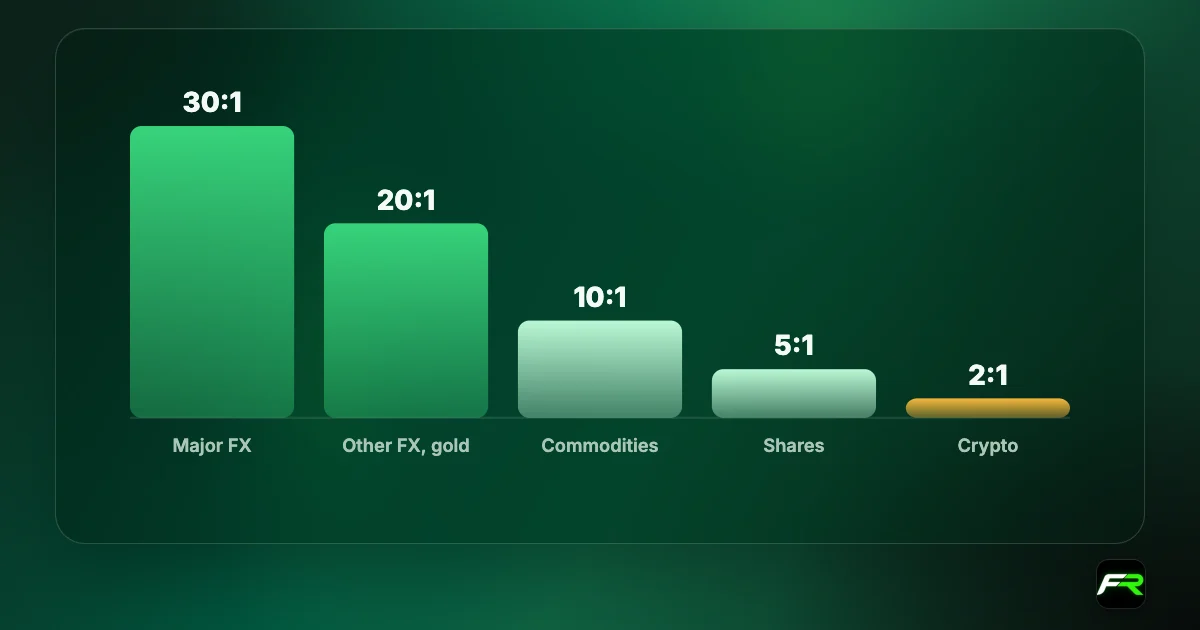
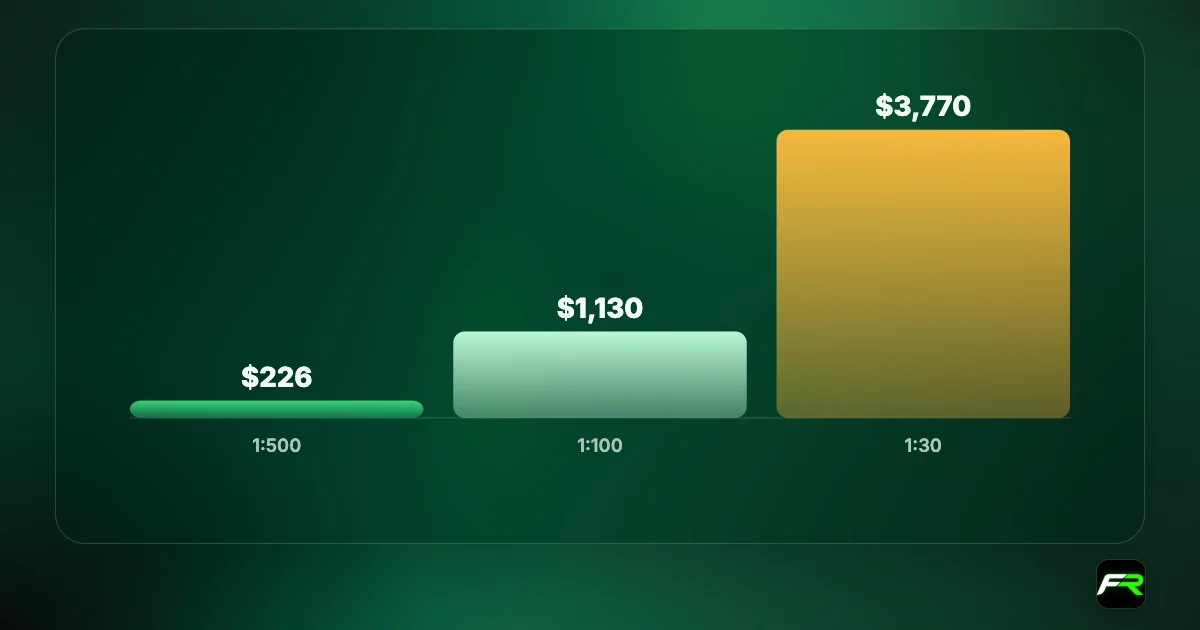
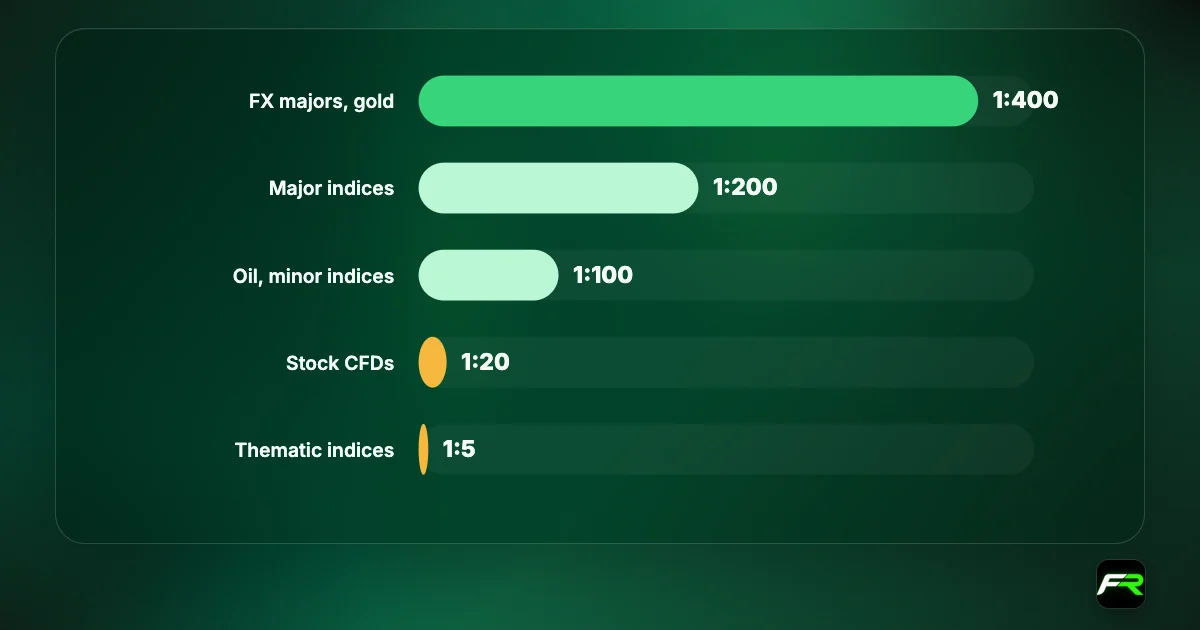
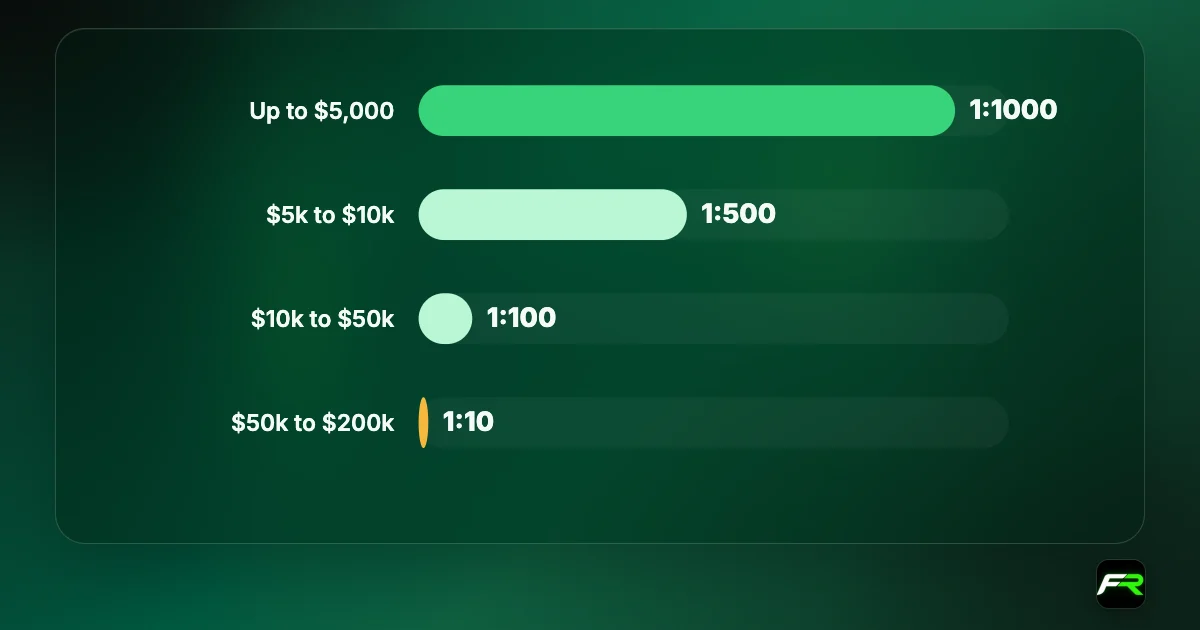
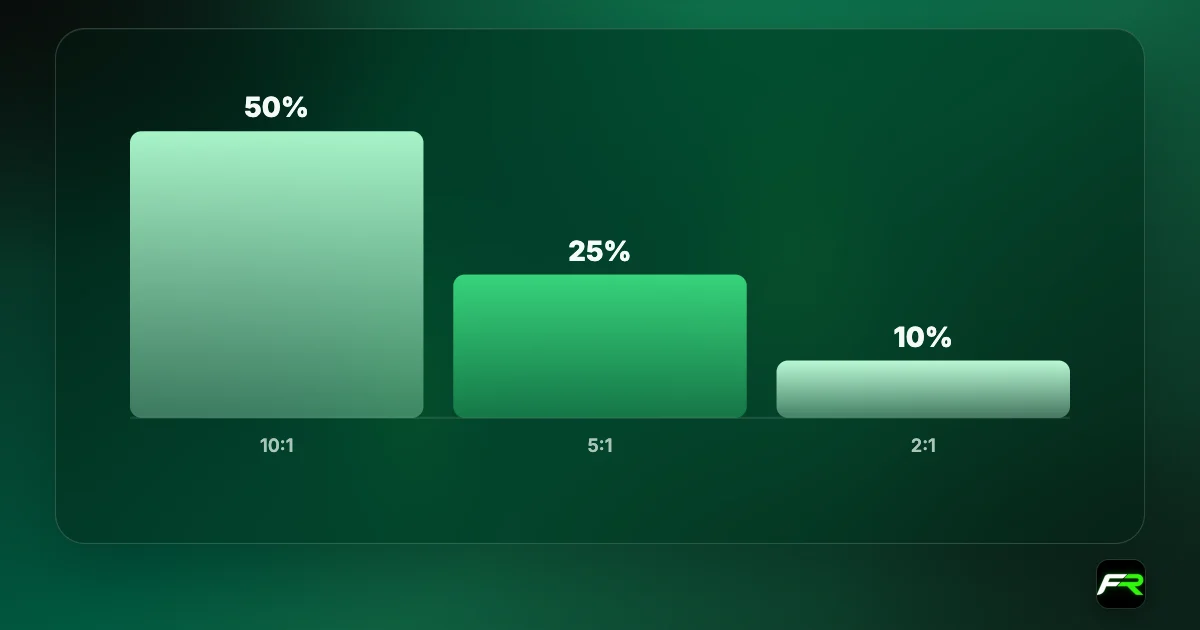
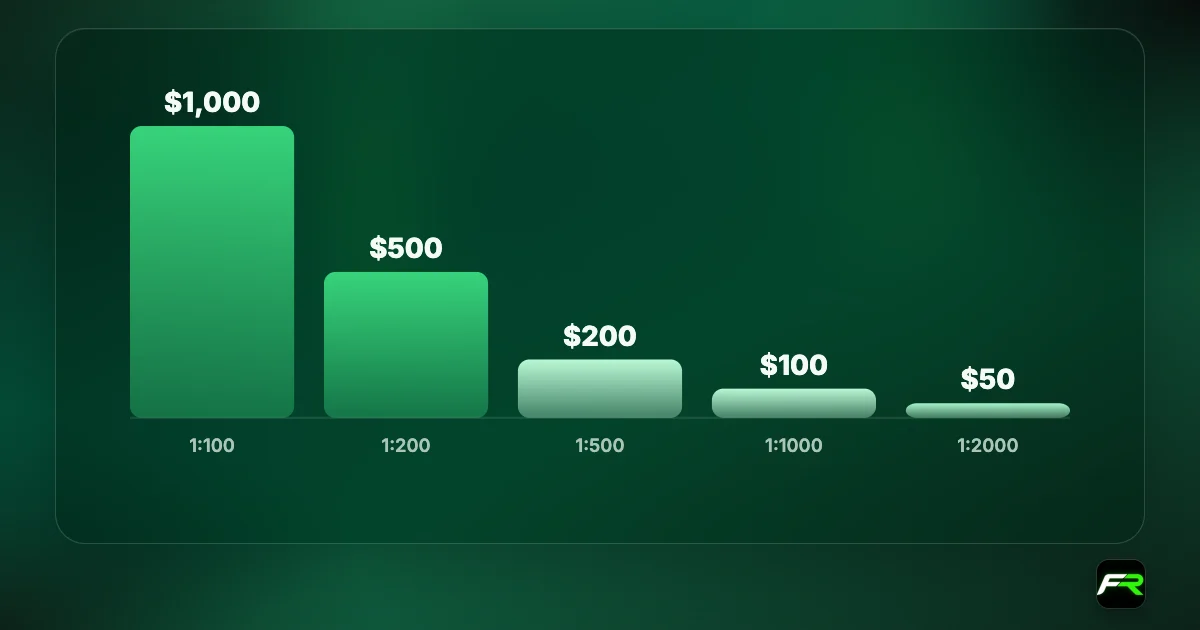
Leverage lets you open a position larger than your deposit, and it magnifies losses exactly as much as gains. In the EU, ESMA's rules set these maximums for retail clients:
| Instrument | Max leverage (EU retail) |
|---|---|
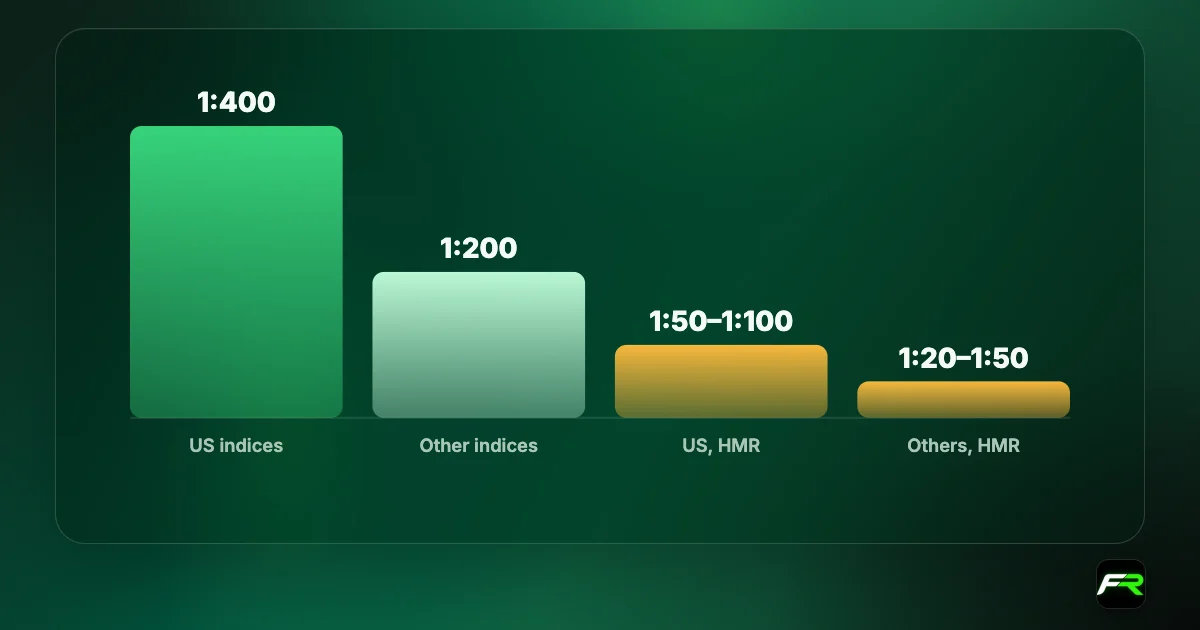
| Major currency pairs | 30:1 |
| Non-major pairs, gold and major indices | 20:1 |
| Commodities other than gold, non-major indices | 10:1 |
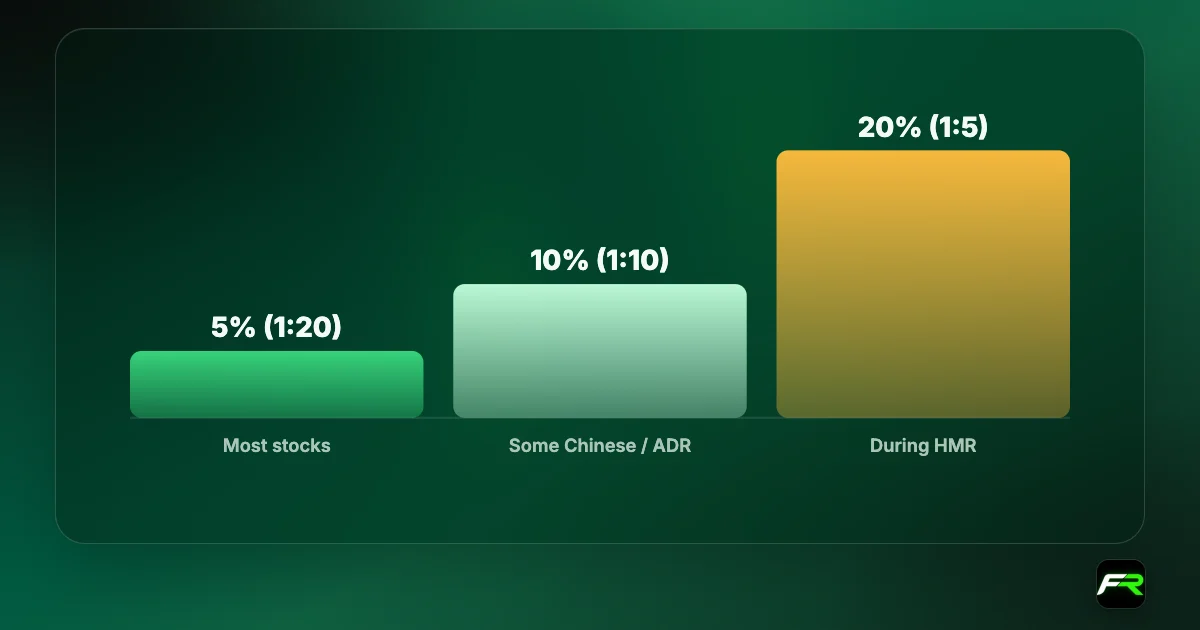
| Individual shares and other assets | 5:1 |
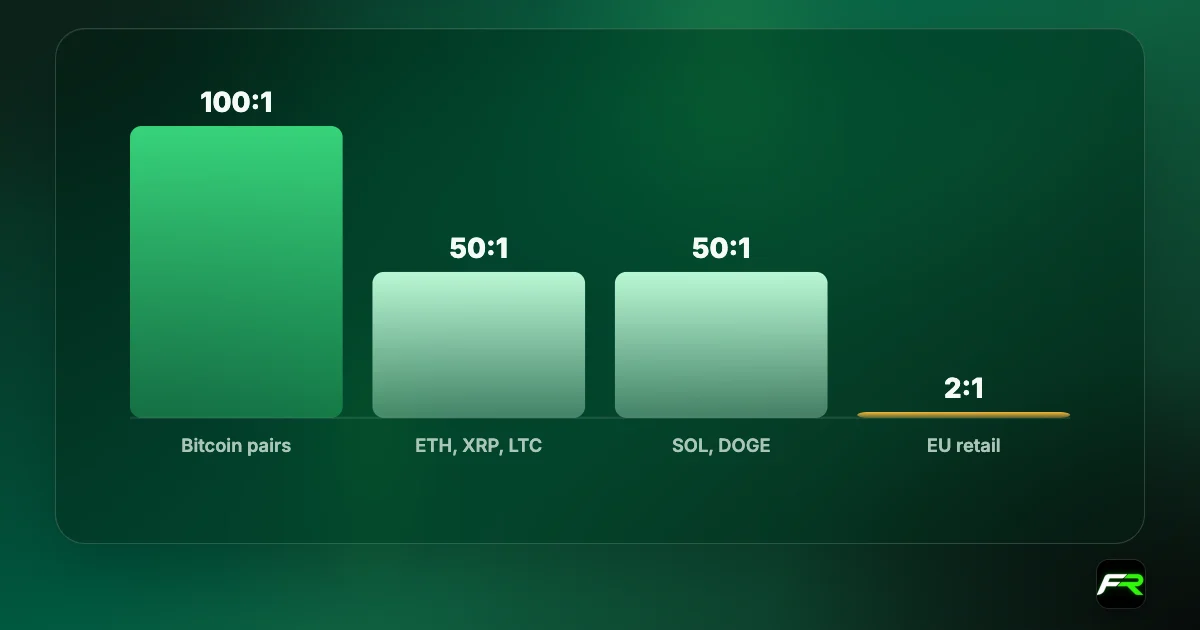
| Cryptocurrencies | 2:1 |
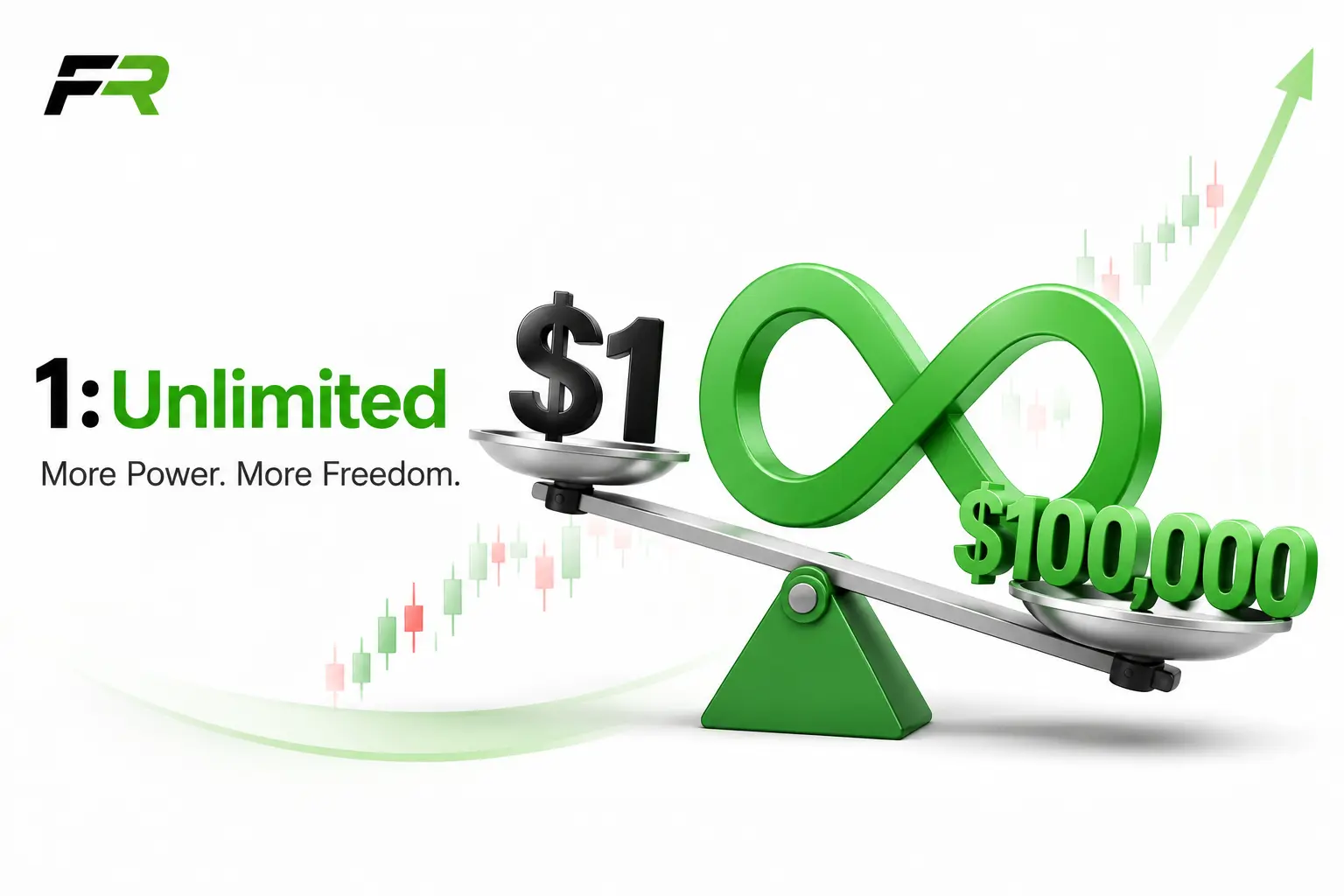
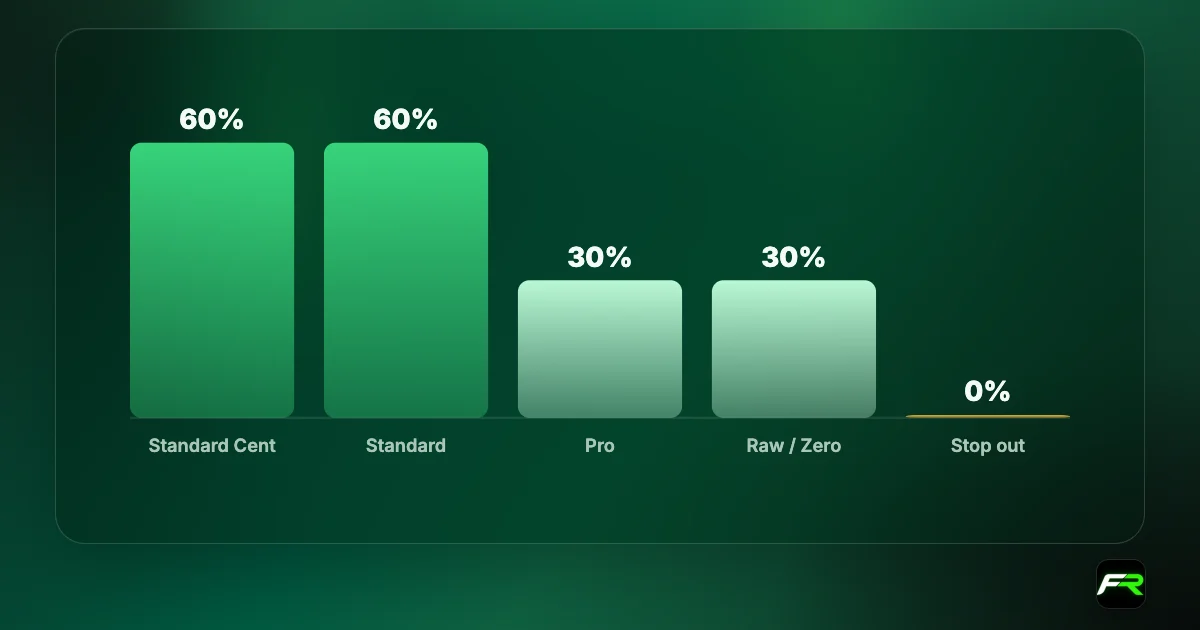
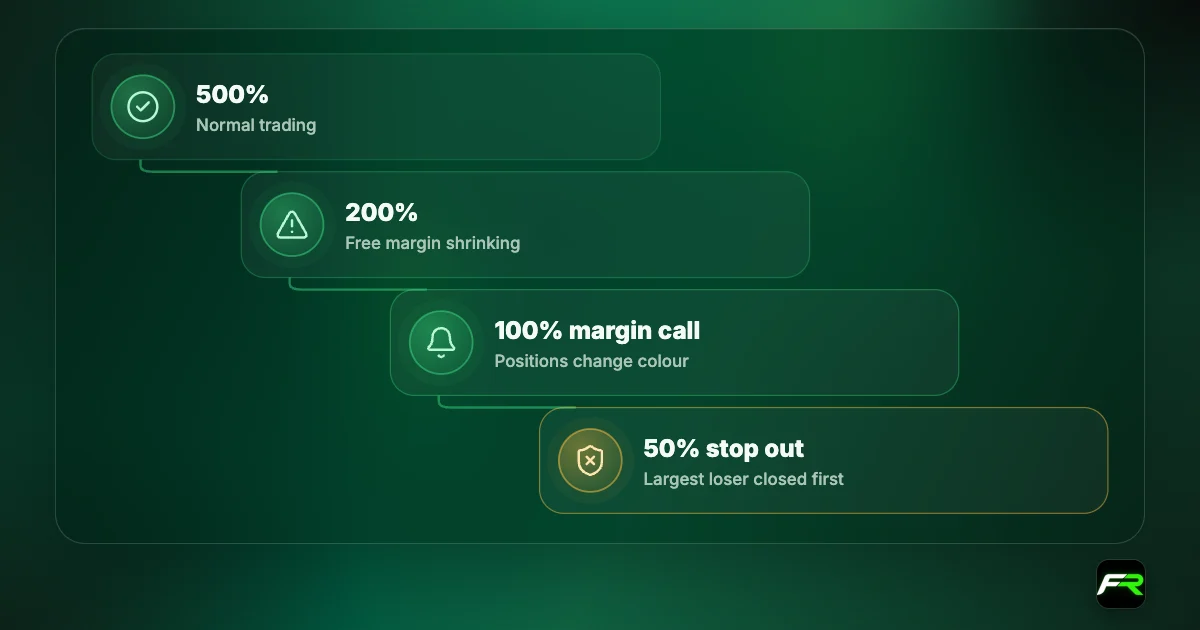
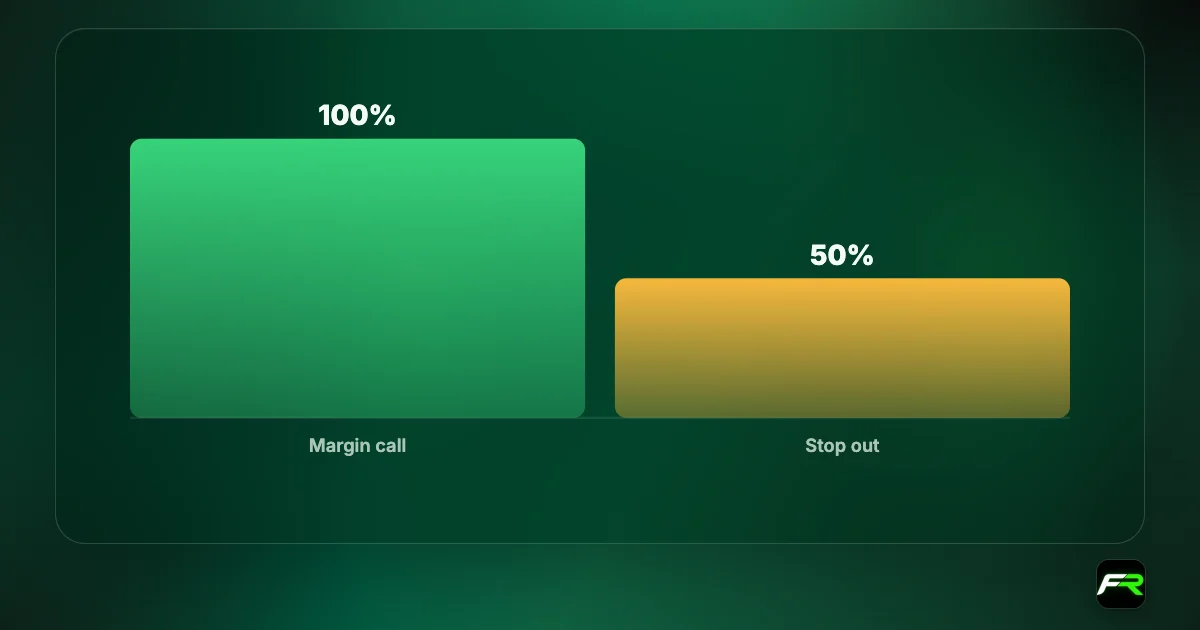
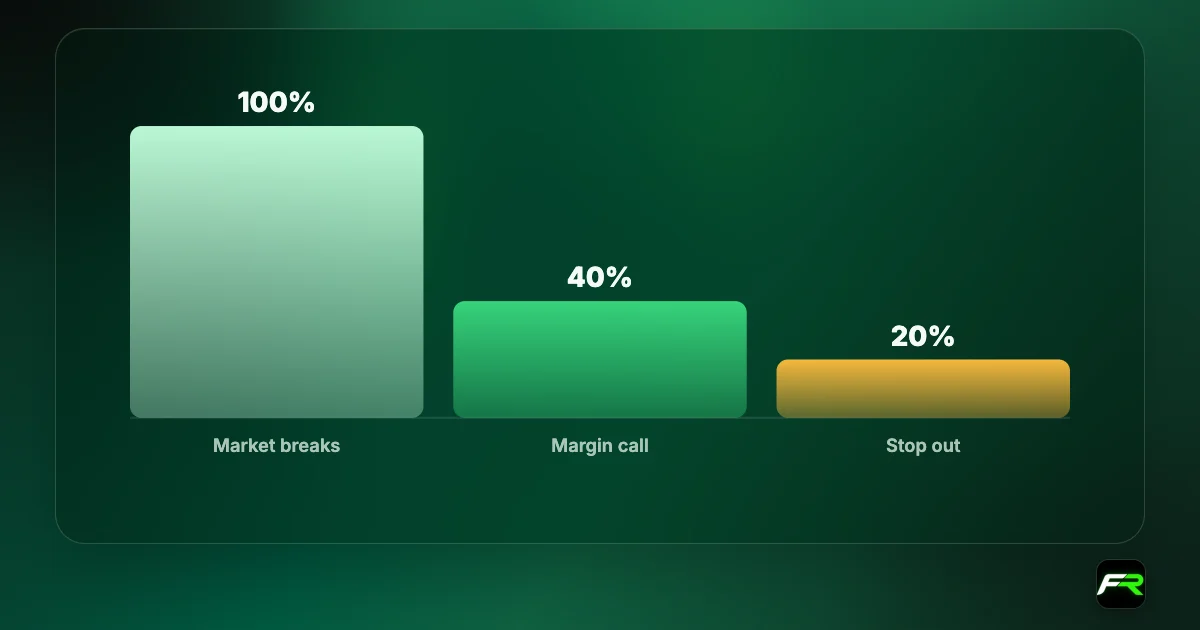
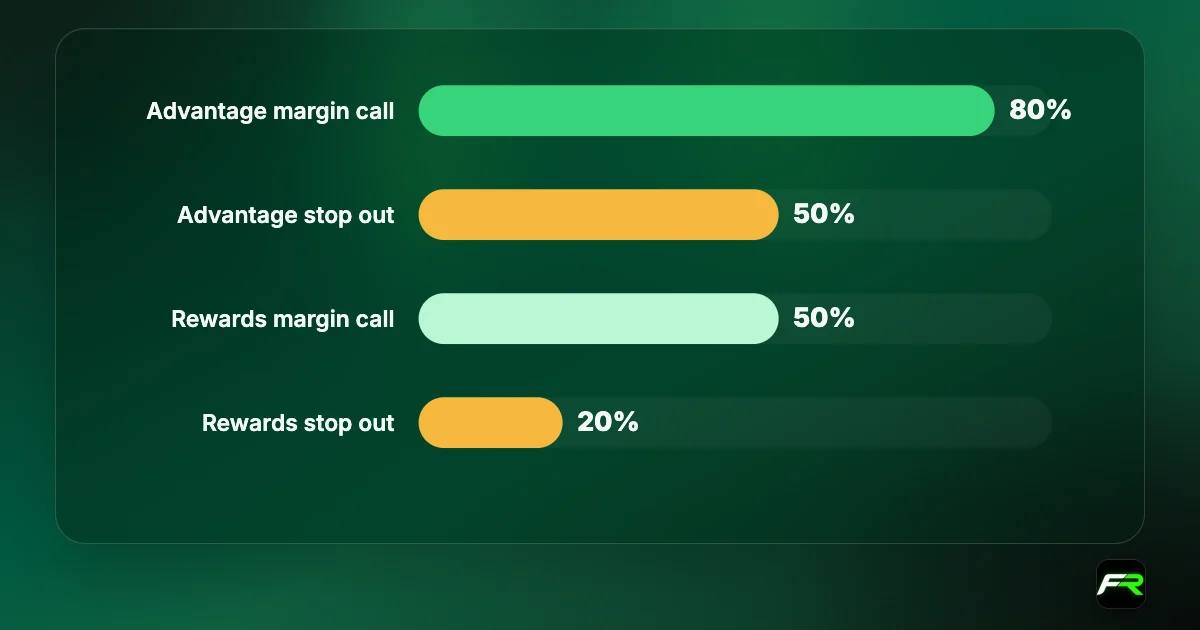
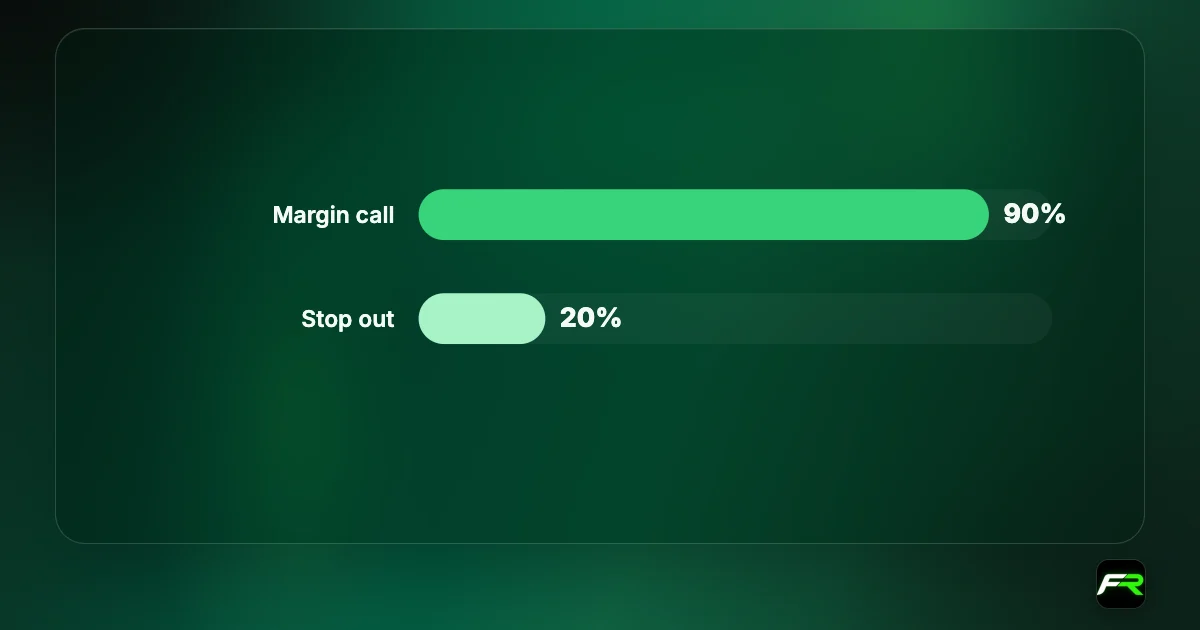
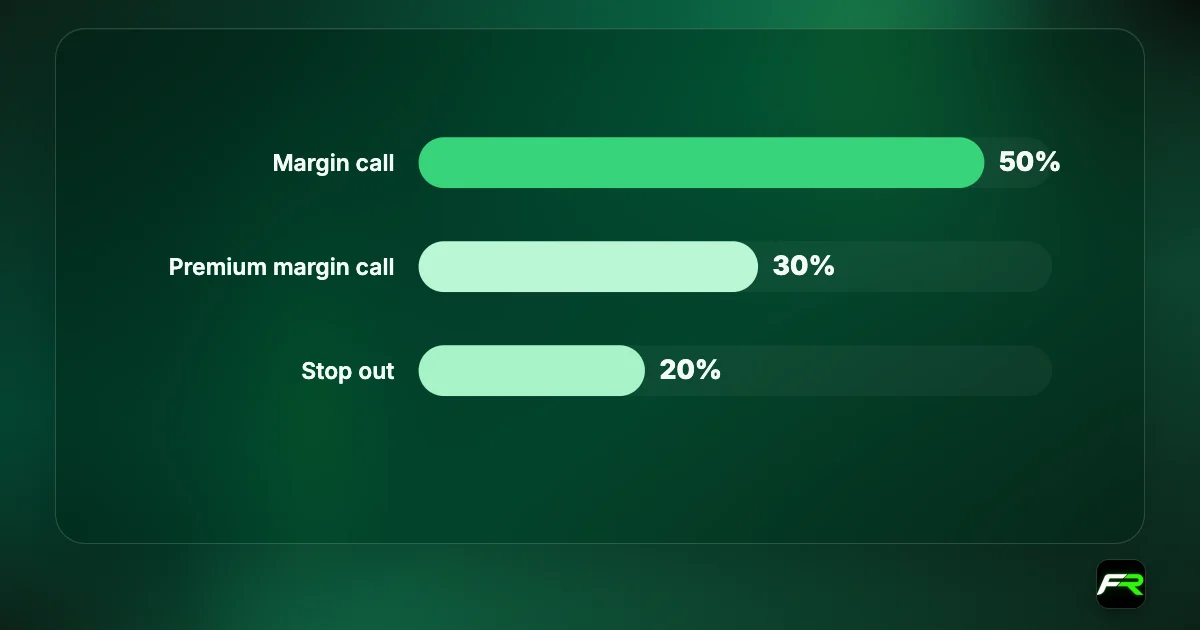
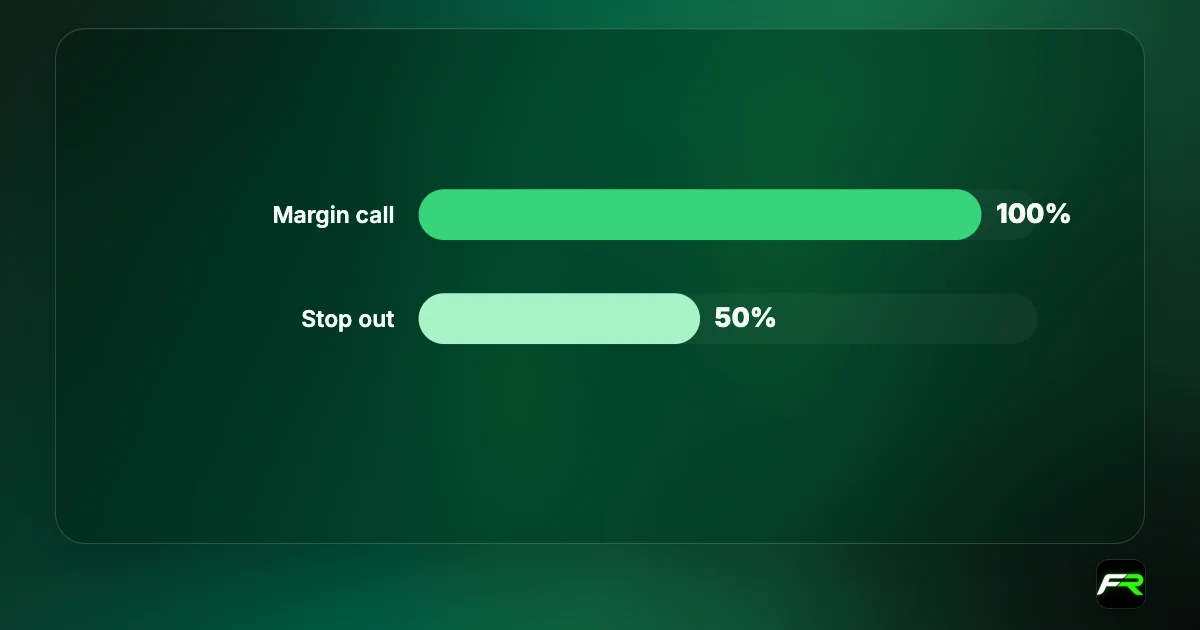
The same rules make brokers close positions when your margin falls to 50% of the required minimum, and stop your account going below zero. Offshore companies often offer 1:1000 or more (Exness offers unlimited leverage to eligible accounts), without those limits. Higher leverage doesn't make a broker better; it only lets you lose faster.
See what a position needs in the margin calculator and leverage calculator.
Deposits and withdrawals: what to know first
Verify before you deposit
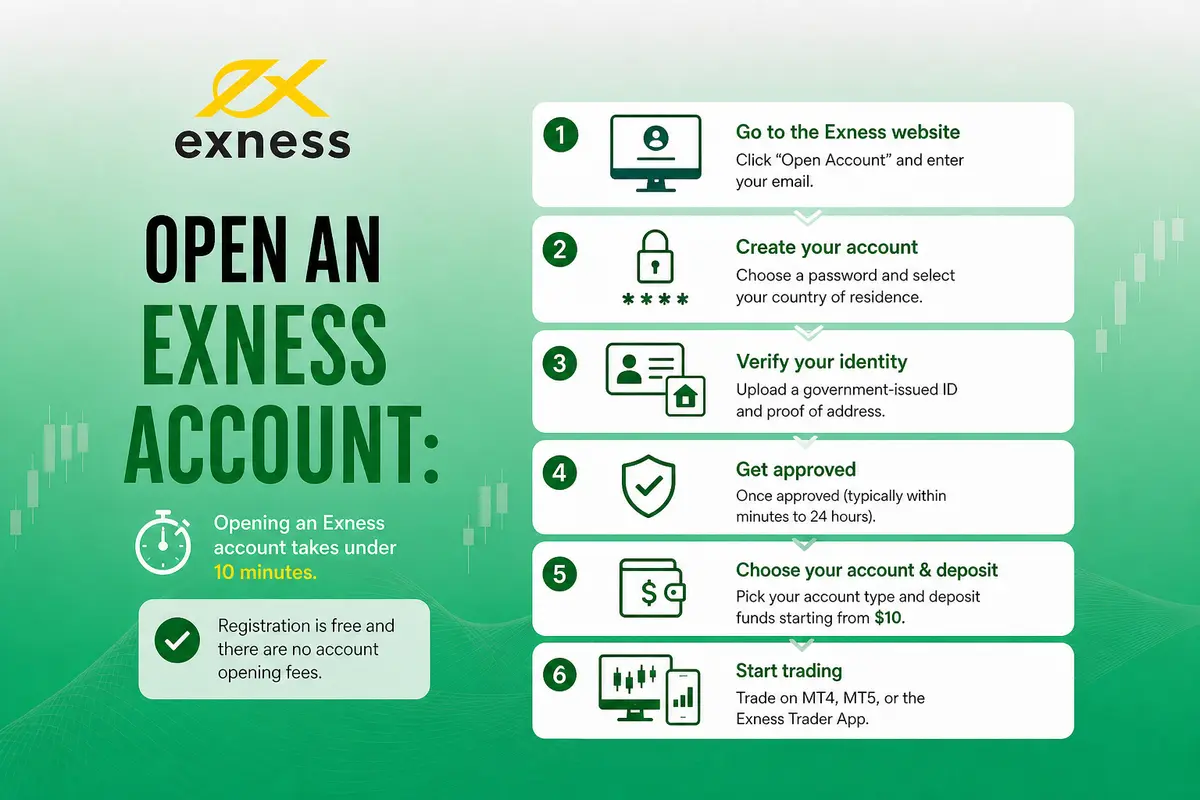
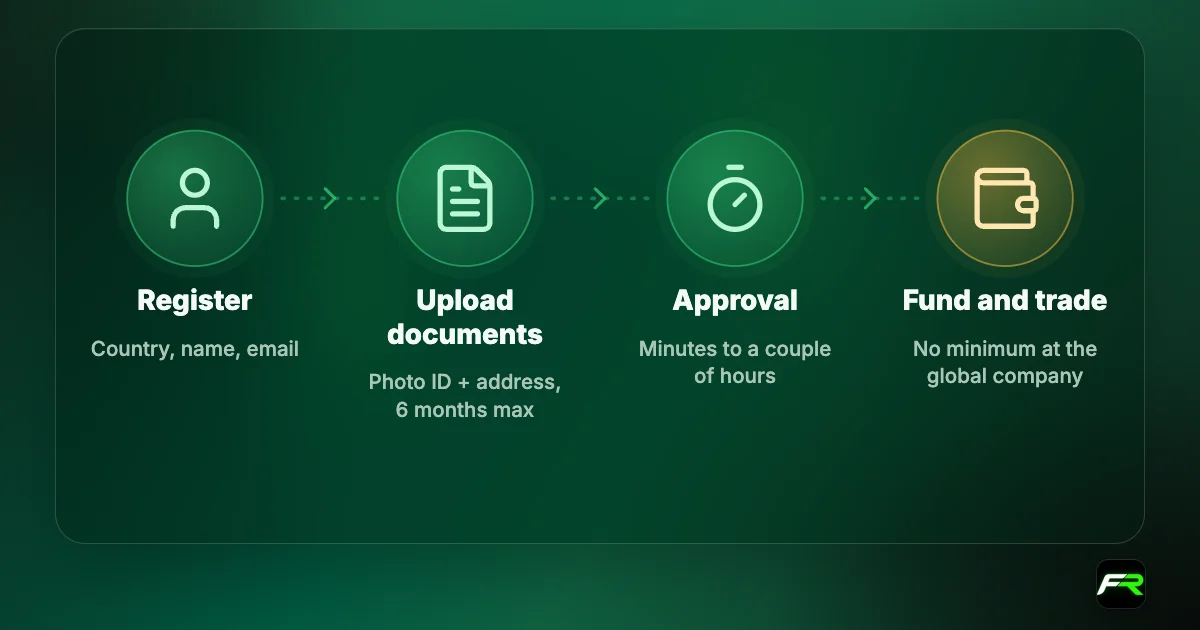
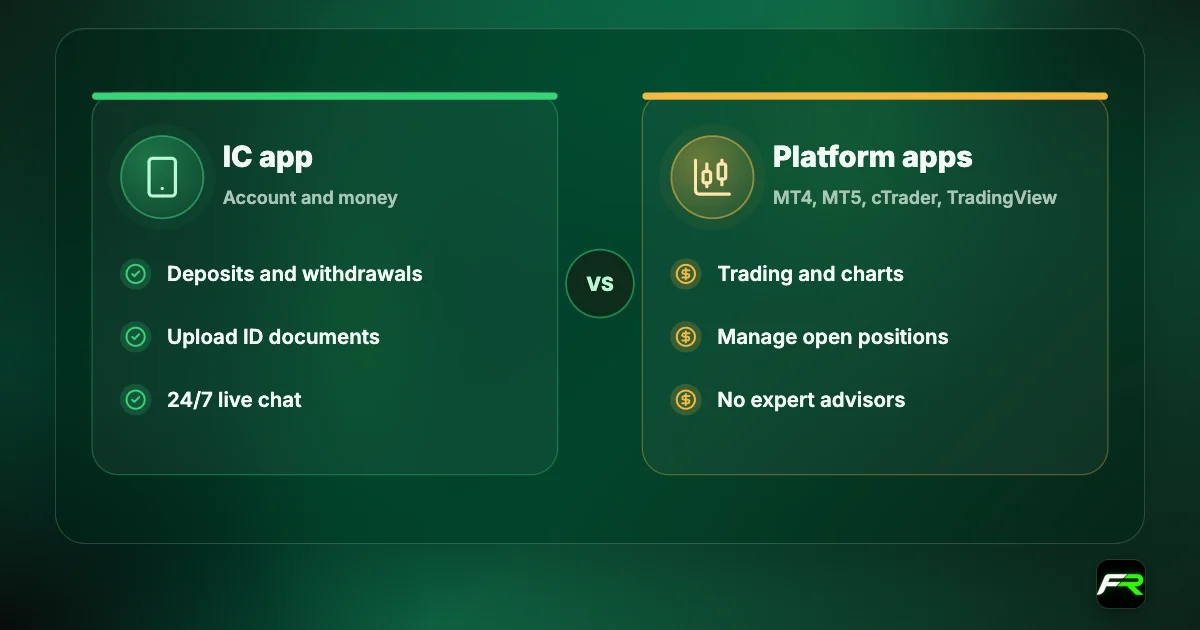
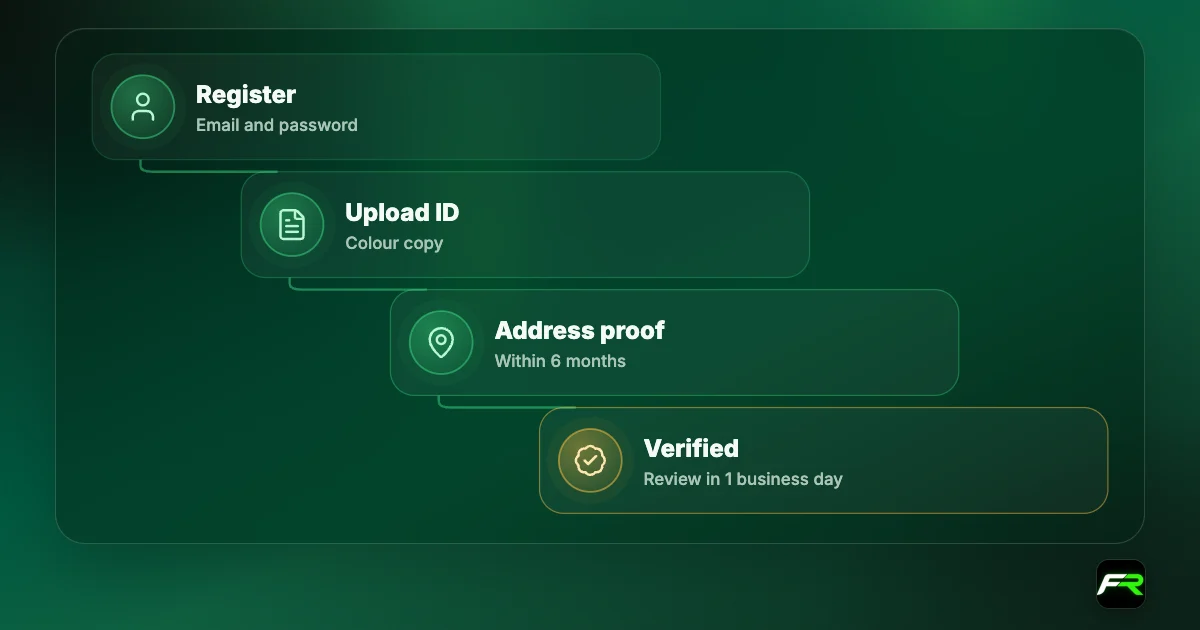
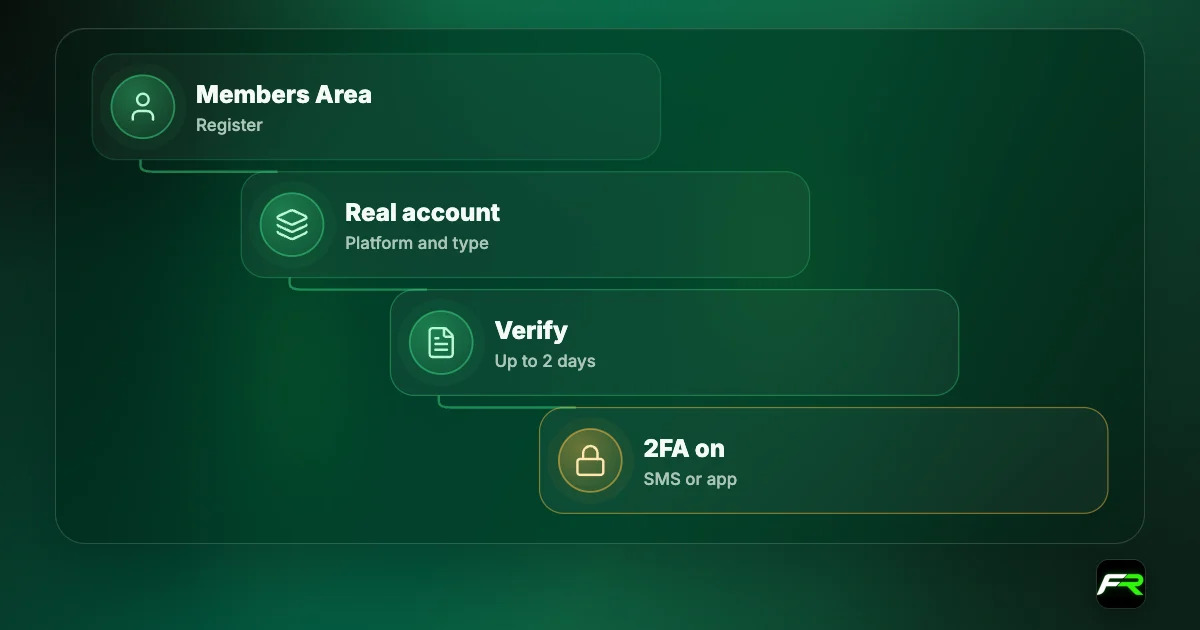
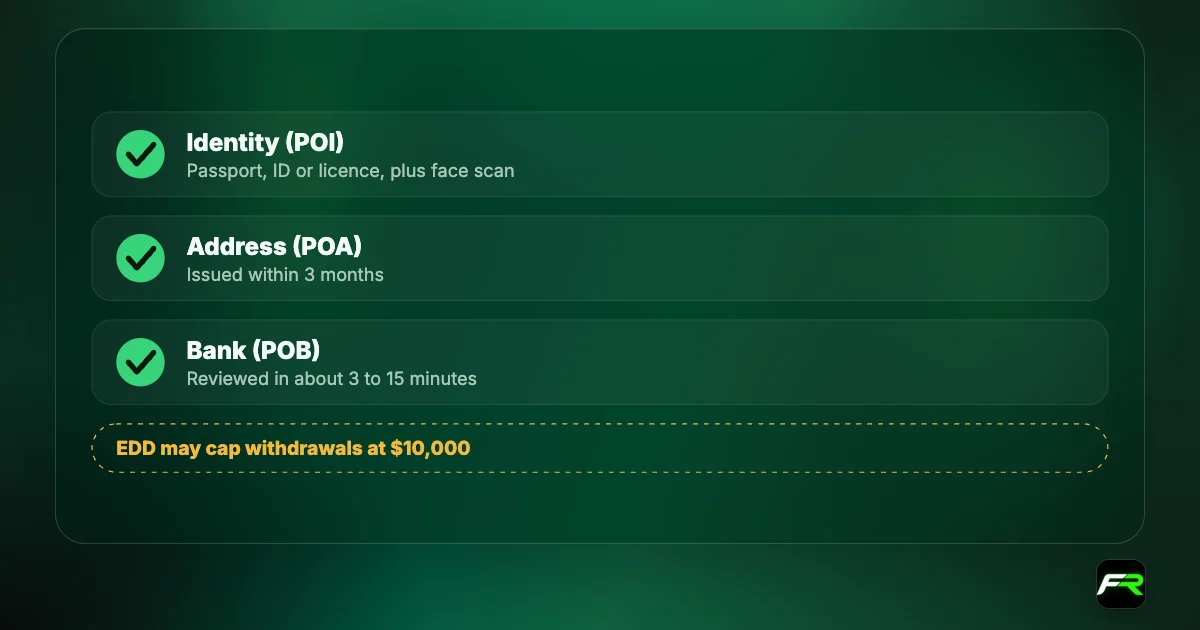
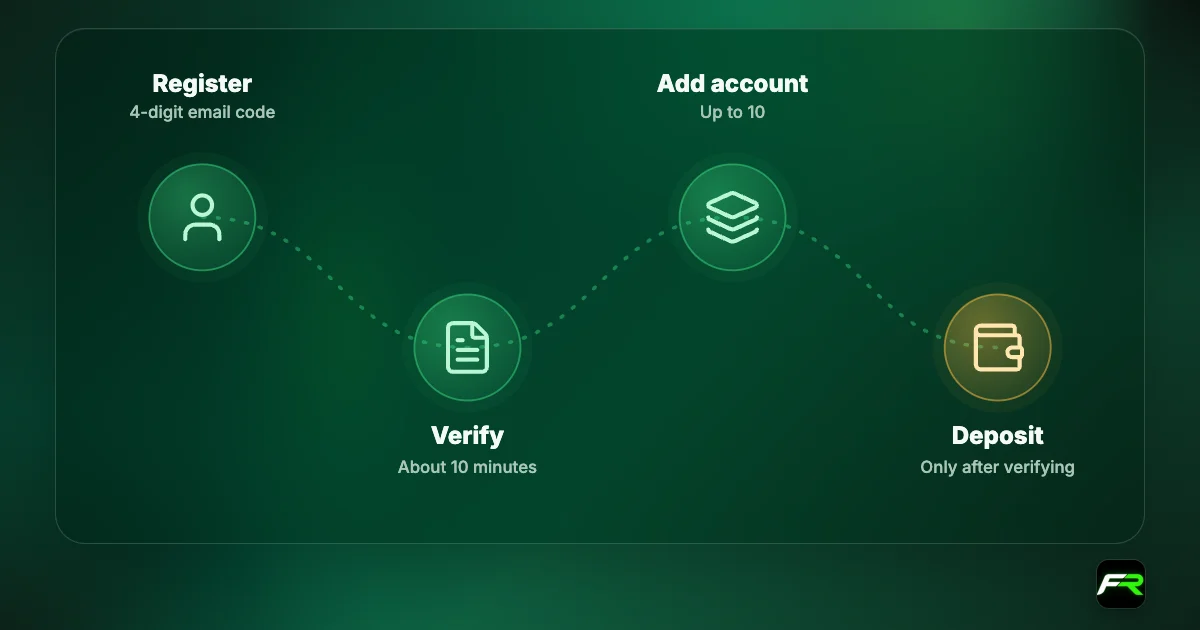
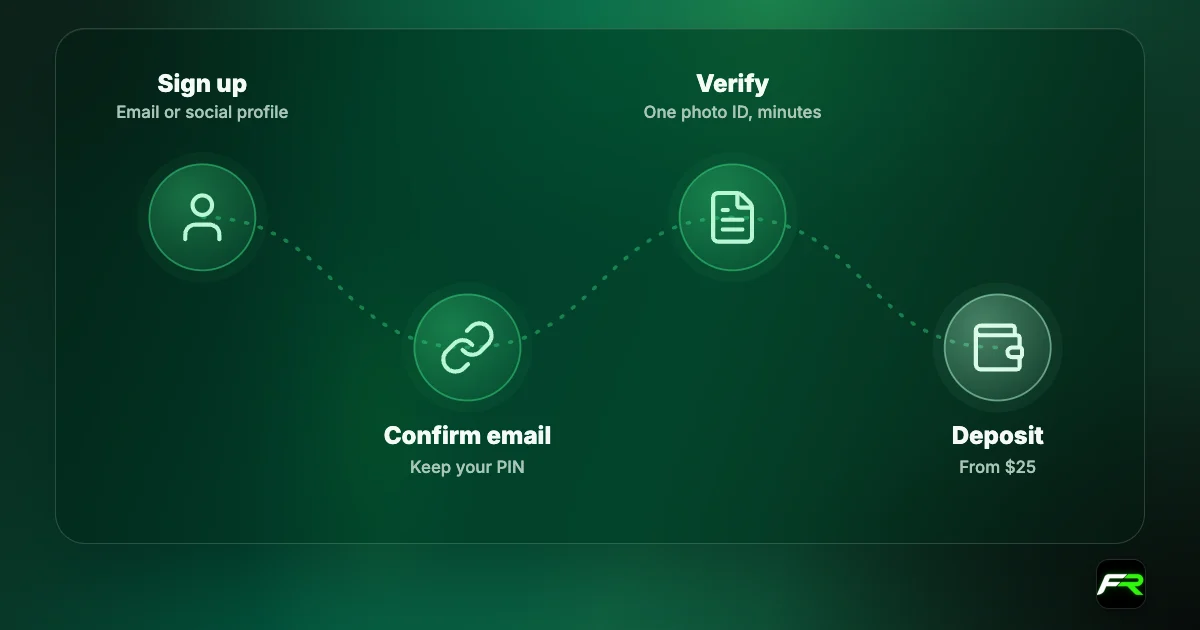
Brokers ask for photo ID and proof of address before you can withdraw. Upload them at sign-up so your first withdrawal isn't held up.
Money goes back the way it came
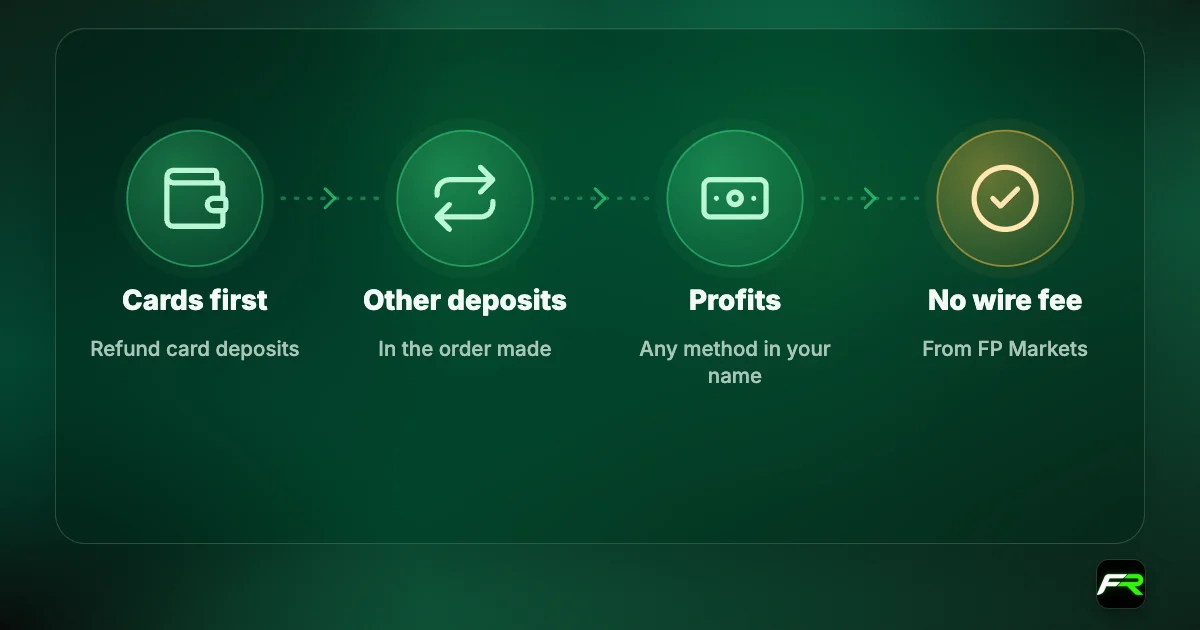
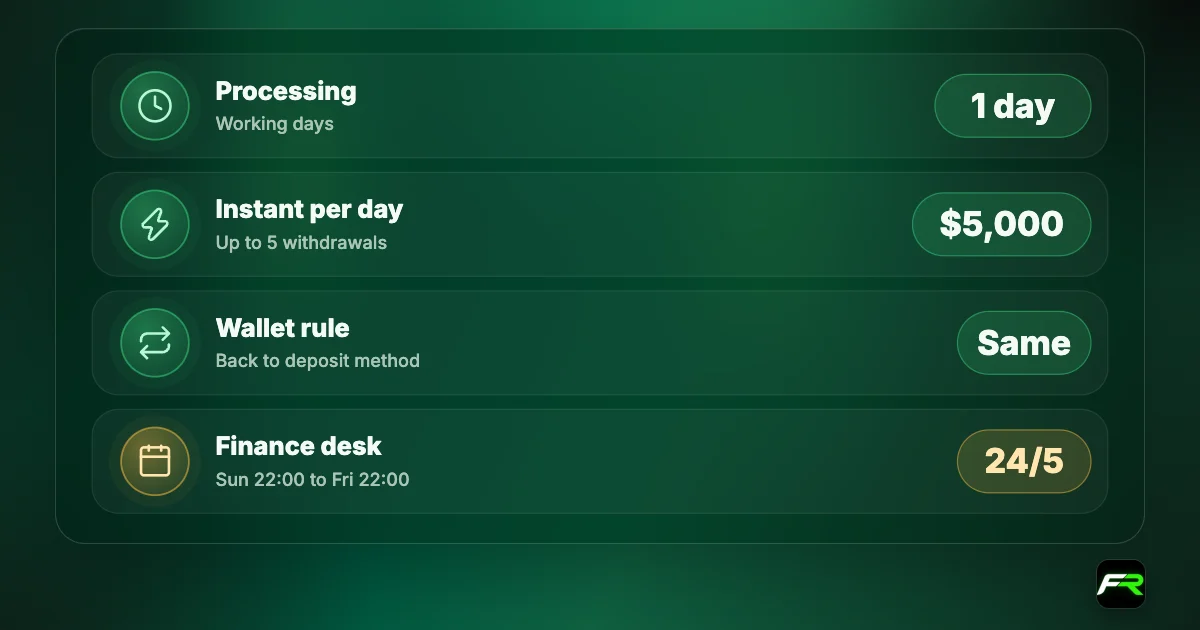
Many brokers, AvaTrade among them, return withdrawals to the card or wallet you deposited with first, up to the amount you paid in.
Know the real processing time
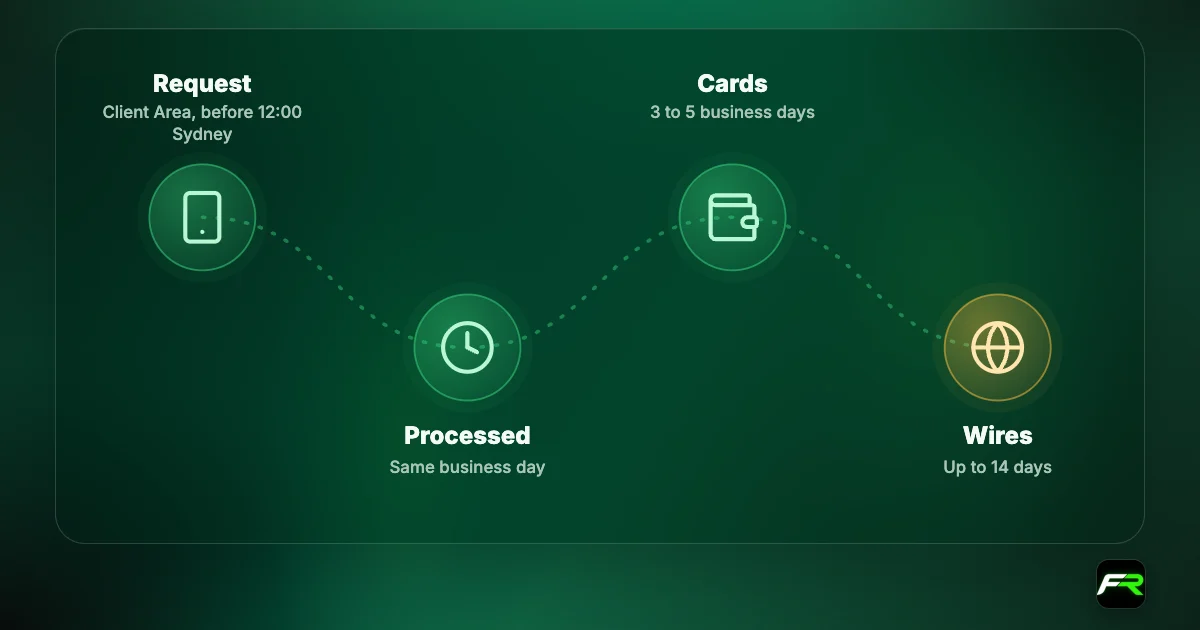
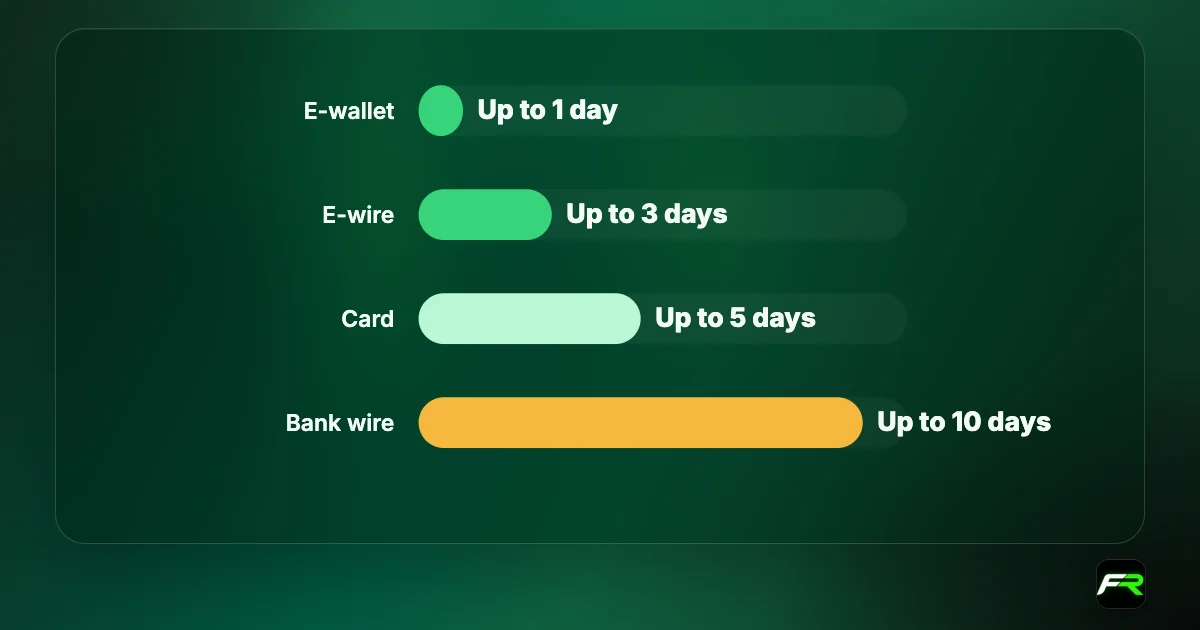
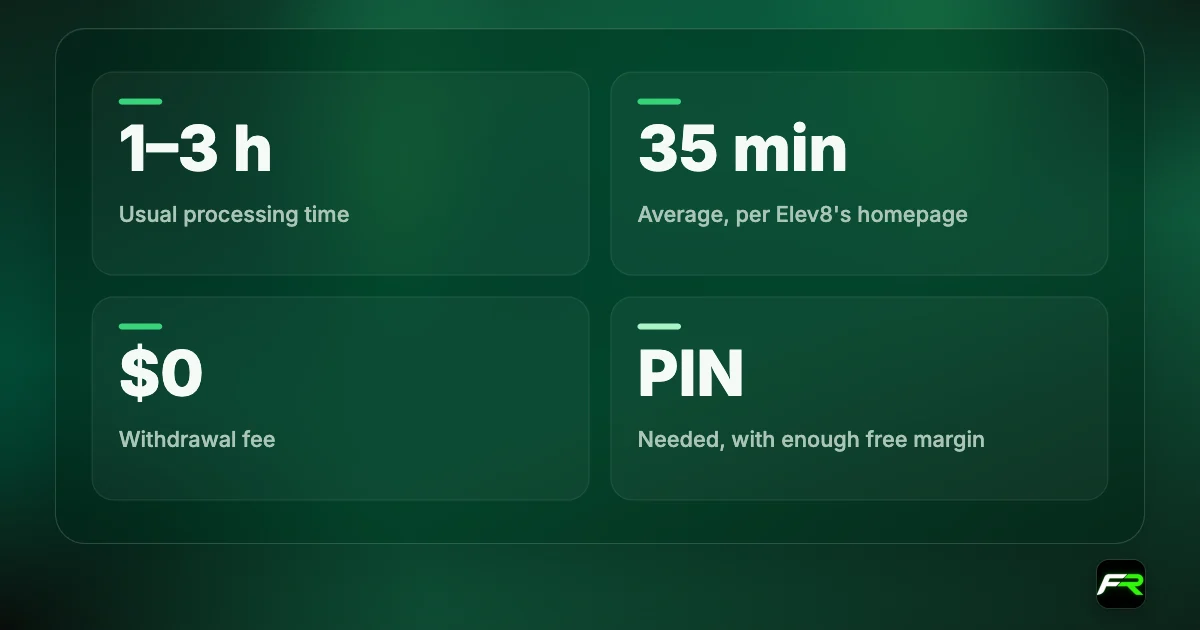
Exness says over 98% of its withdrawals are processed automatically; AvaTrade quotes 24 to 48 hours once your account is verified. Bank wires take longer.
Send a test withdrawal
Withdraw a small amount early. It shows how the process works while there is little at stake.
Forex bonuses: read the terms first
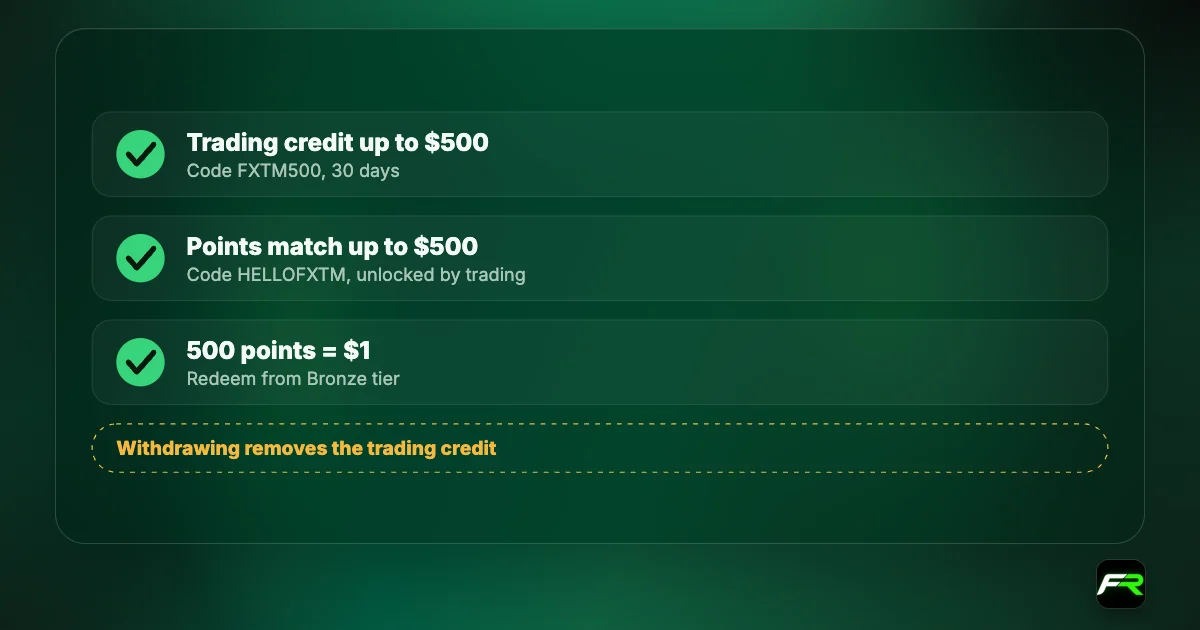
ESMA's rules stop CFD providers from offering incentives such as deposit bonuses to retail clients in the EU, so the bonuses you see advertised come from brokers' companies elsewhere.
Most come with a trading volume you must reach before you can withdraw the bonus. AvaTrade's New Accounts Pack, for example, requires 30,000 in trading volume for every $1 of bonus within 100 days; a $200 bonus needs 6,000,000. Read the conditions before you accept one, and never let a bonus decide which broker you pick.
Compare the current offers from brokers we list on our forex deposit bonus page.
Six red flags that should stop you depositing
Or licensed only in a place that doesn't match where it says it is based.
No regulated broker guarantees profits. Forex prices can move against you at any time.
Calls from “account managers” urging a bigger deposit or a special opportunity.
Extra fees, taxes or “verification” you must pay before you can take money out.
Terms that stop you withdrawing your deposit until you reach a trading volume.
Or messaging apps, with no named company, address or client agreement.
Check a name against our scam broker list before you send money.
Forex broker FAQs
How do I know if a forex broker is regulated?
Find the company's legal name and licence number in the website footer or client agreement, then search for it on the regulator's own register (CySEC, the FCA, ASIC, FSA Seychelles and so on). The name, licence number and website must all match, and the licence must be active.
Is an offshore broker safe?
Offshore licences give far less protection than EU, UK or Australian ones: leverage limits are much higher and there is usually no compensation scheme. Some large brokers serve most of the world from offshore companies, so check which company will hold your account and what that means before you deposit.
What is the maximum leverage for retail traders?
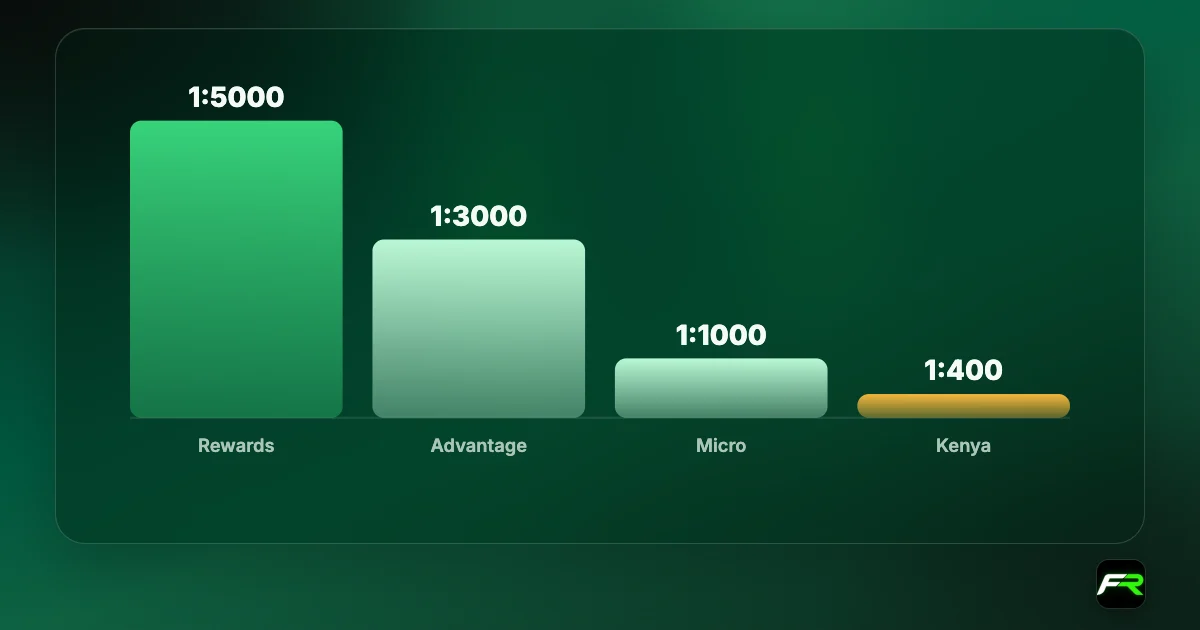
In the EU, ESMA's rules cap retail clients at 30:1 on major currency pairs, 20:1 on other pairs, gold and major indices, and 2:1 on crypto. The Australian companies of IC Markets and AvaTrade apply the same 30:1 cap to retail clients. Offshore companies often offer 1:1000 or more.
Which is cheaper, a spread-only or a commission account?
Work out the all-in cost: spread in pips times pip value, plus the round-turn commission. For active traders a raw-spread account with a commission is often cheaper, but it depends on each broker's average spreads and the pairs you trade.
Can EU traders get a deposit bonus?
No. ESMA's rules stop CFD providers from offering retail clients in the EU incentives such as deposit bonuses. Bonuses you see advertised are offered by brokers' companies outside the EU.
How much money do I need to open a forex account?
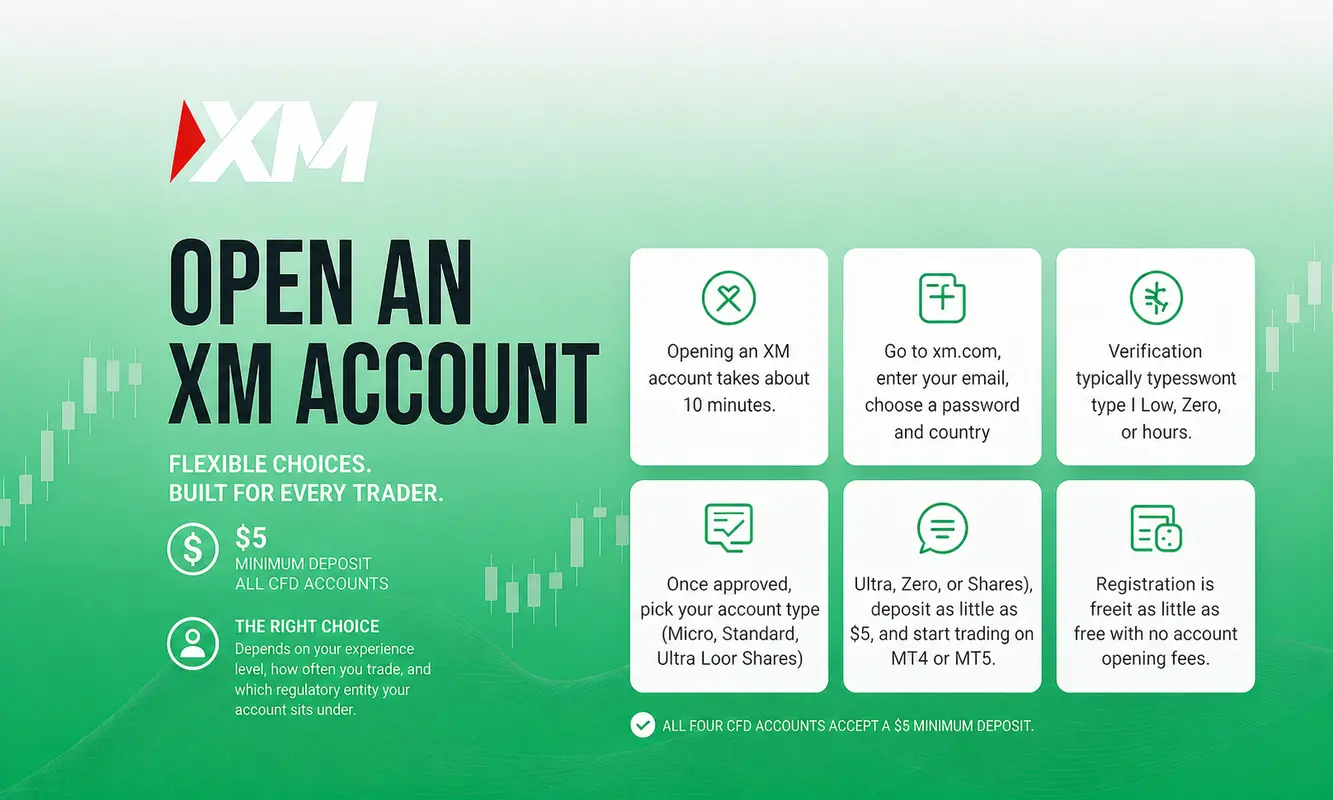
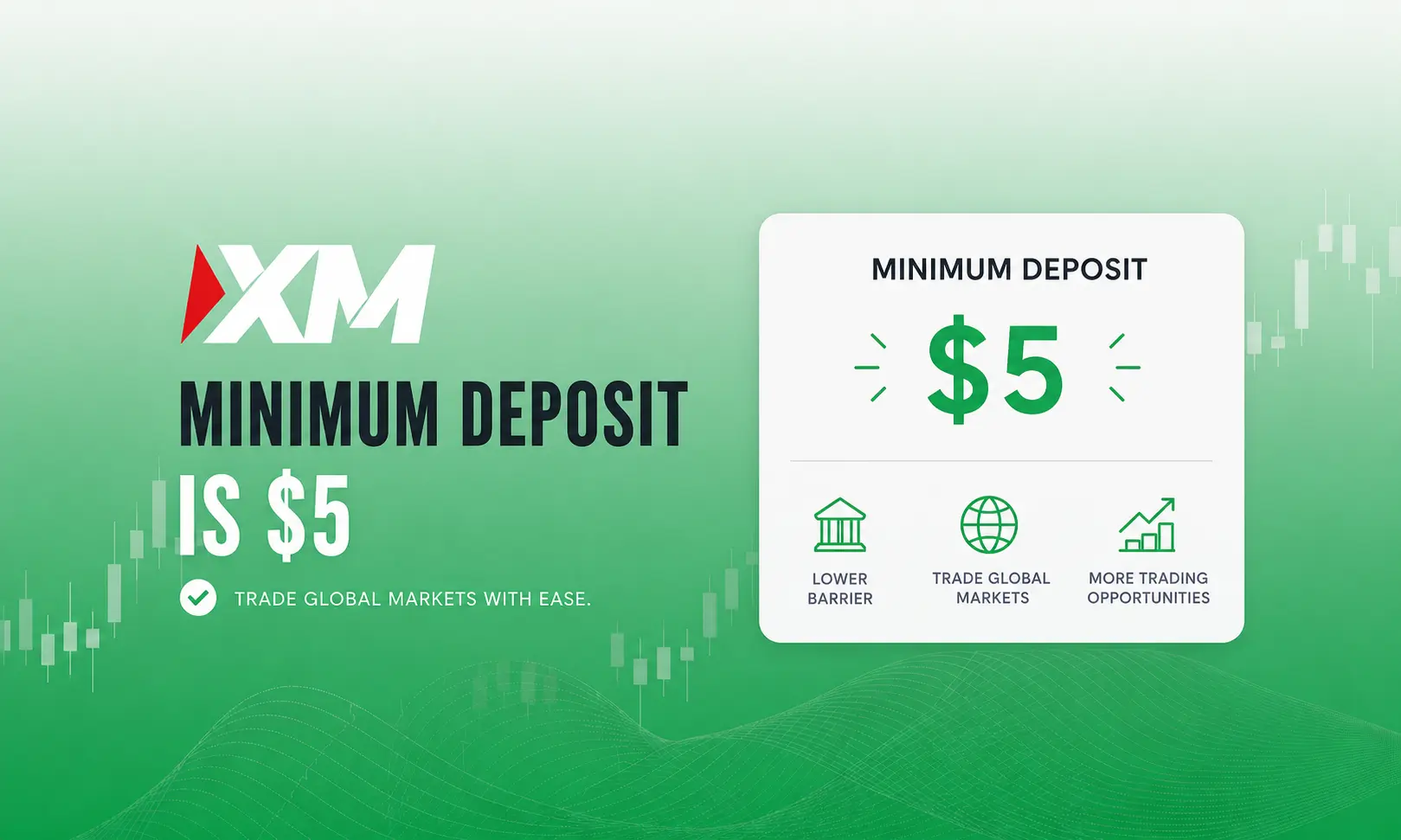
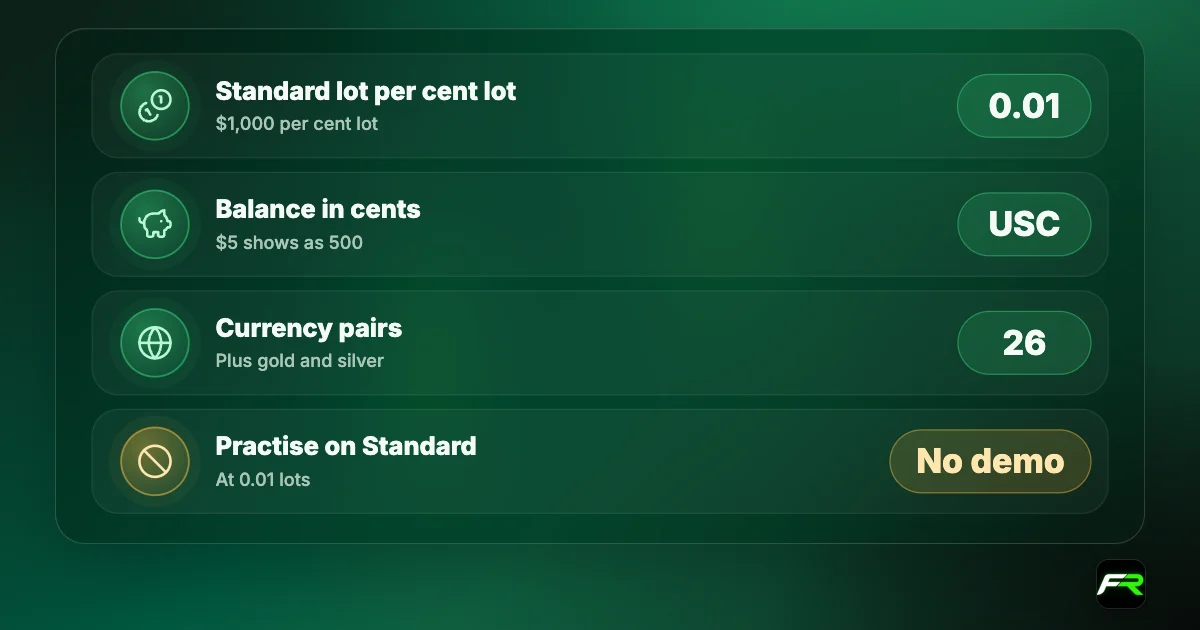
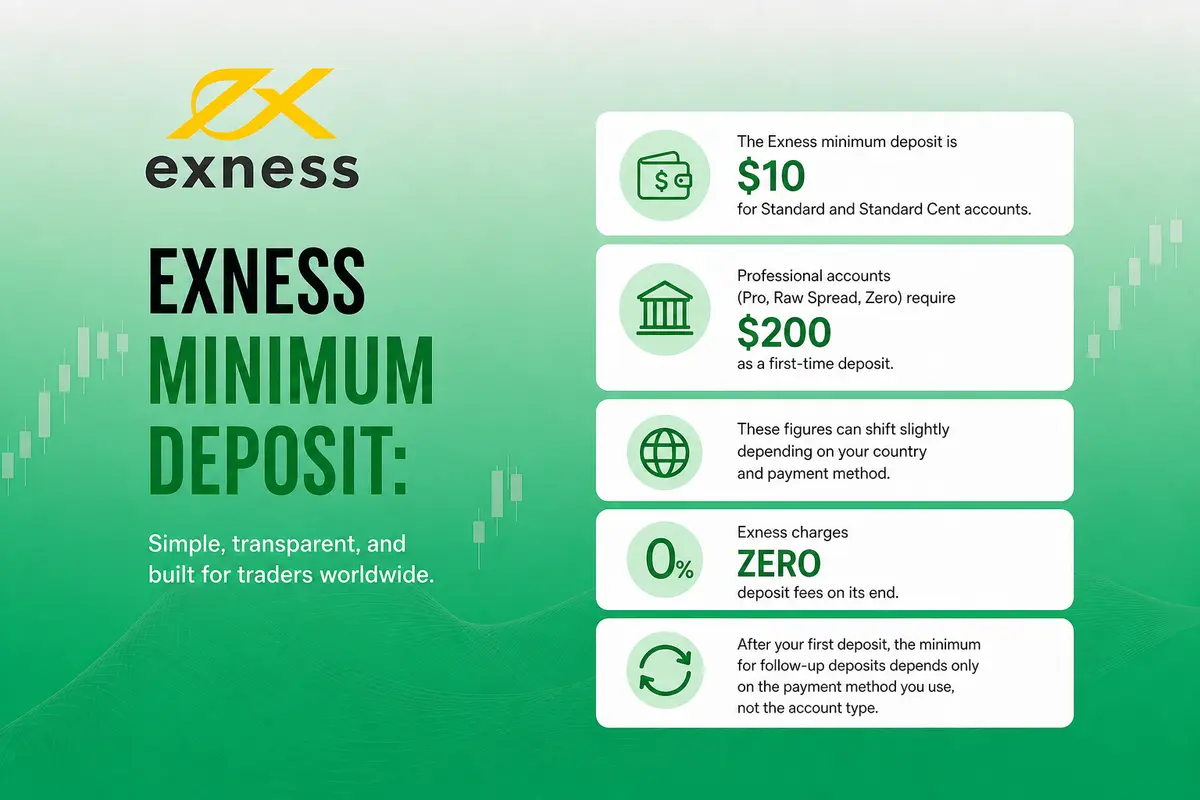
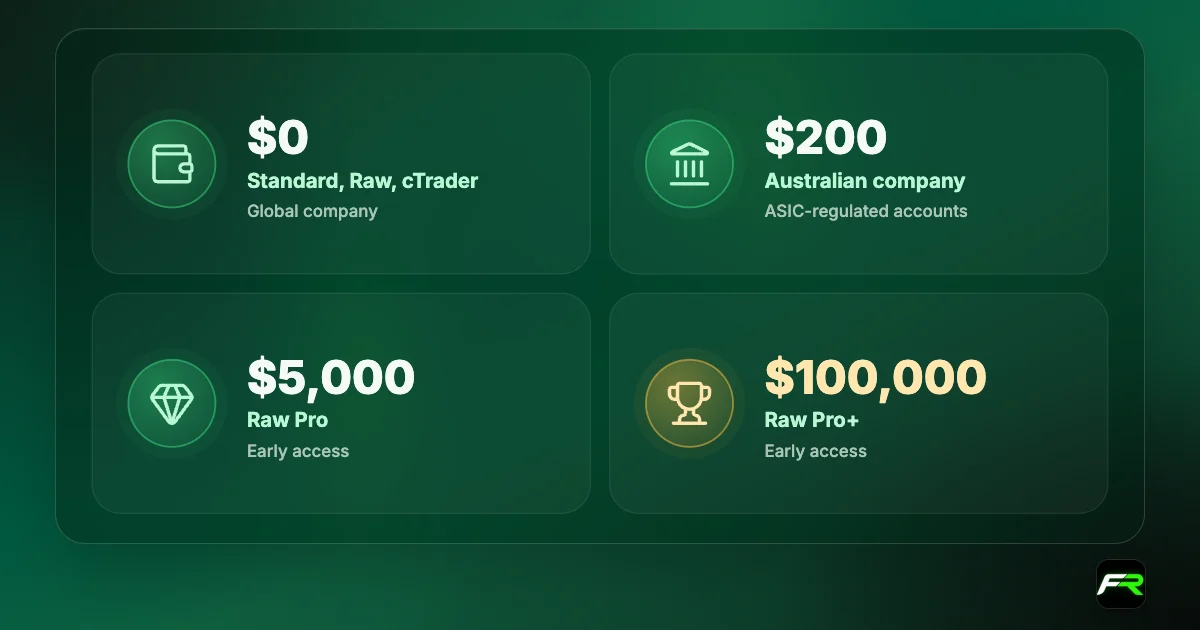
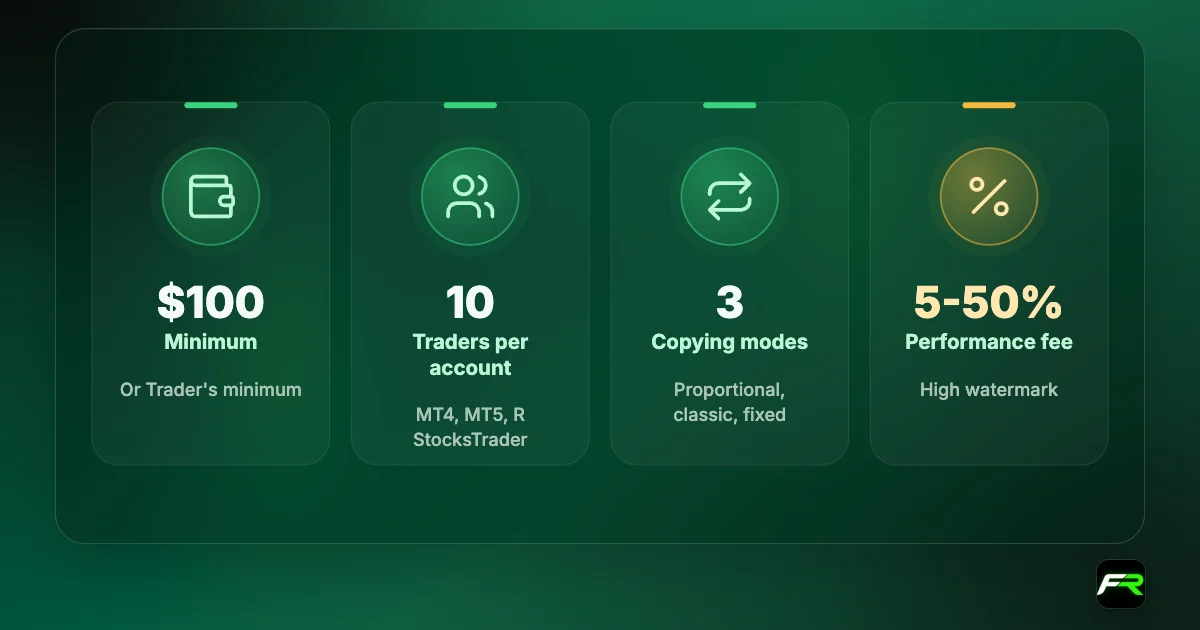
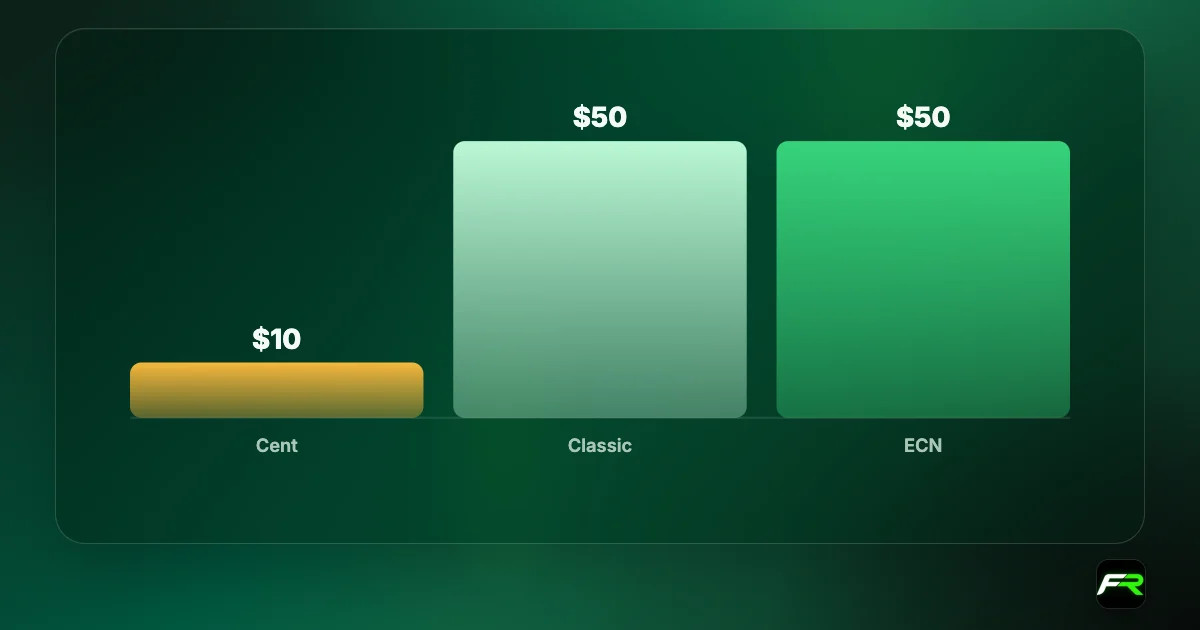
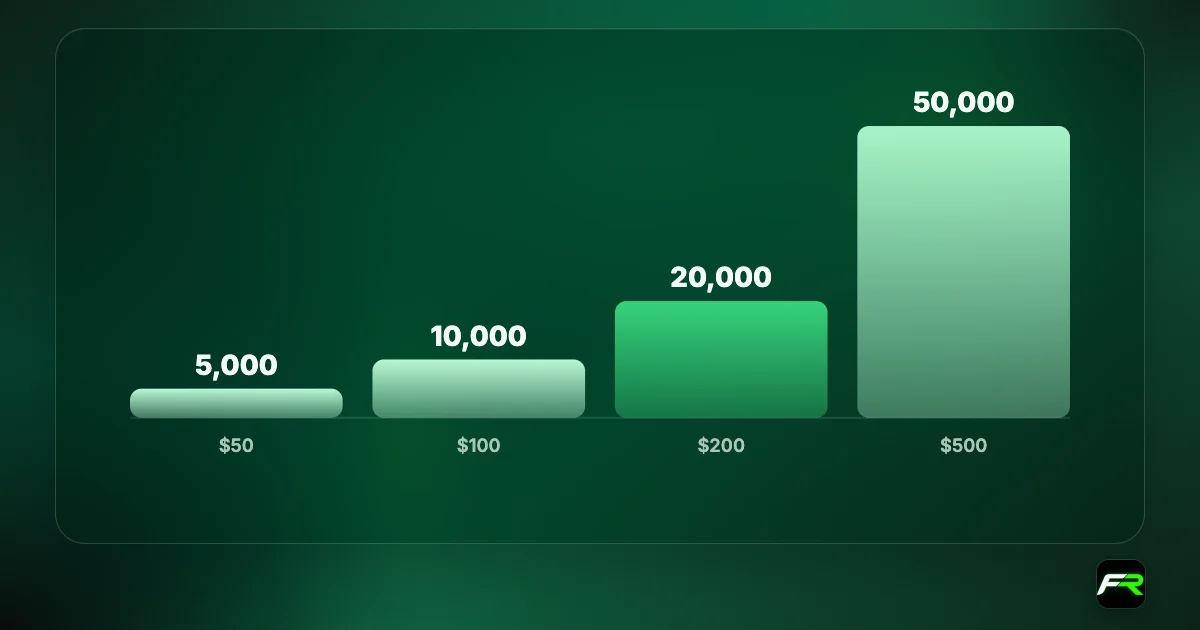
Less than you might think: XM's Standard account starts at $5 and IC Markets' global company has no minimum deposit. Start small, and only trade money you can afford to lose.
How are these broker guides checked?
Every figure in our broker guides was checked against official sources only: the broker's own website, help centre and legal pages, and regulator registers. We don't use review sites. When a broker changes its terms, we update the guide.
Sources: ESMA: restrictions on CFDs for retail investors, CySEC register of investment firms, CySEC Investor Compensation Fund, FCA Financial Services Register, ASIC registers, FSCA regulated entities, FSA Seychelles regulated entities.