 IC Markets







Best Forex Brokers in South Africa
South Africa licenses forex and CFD brokers through the FSCA, so you can trade with local protection. Here is how to check a licence, fund in rand, use your R2 million allowance and pay SARS correctly.
 WriterAbir KhanWriterWrites the guides · checks every figure against primary sources View profileAbout Abir →
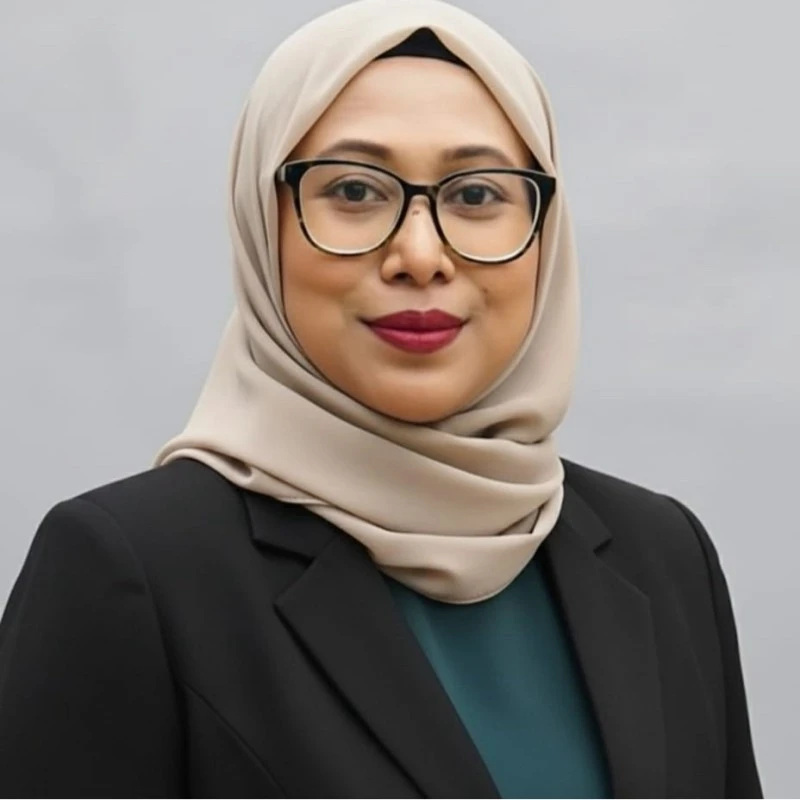
 Market analysisTanbir Habib RiyadForex & Crypto AnalystForex and crypto analyst · technical and fundamental analysis View profileAbout Tanbir →
 Fact-checking & riskJannatul FerdaushFact-Checker & Risk AnalystFact-checks every figure · risk analysis · Applied Statistics, University of Dhaka View profileAbout Jannatul →
 Trading reviewJowel RanaCo-Founder & Forex TraderCo-founder · forex trader · reviews guides from a trader's view View profileAbout Jowel →
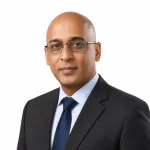 Final approvalRanjan NiskrityFounder, Owner & Forex TraderFounder and owner · forex trader · signs off every guide View profileAbout Ranjan →
South Africa is one of the few markets in this series where forex is fully legal, licensed and supervised at home. The Financial Sector Conduct Authority (FSCA) authorises brokers, and since 2019 firms that act as counterparty to your CFD trades need an Over-the-Counter Derivatives Provider (ODP) licence. That gives South African traders something rare: a local regulator, a local complaints route and brokers that take rand.
Is forex trading legal in South Africa?
Yes. Forex and CFD trading is legal for residents, and brokers serving South Africans should hold an FSCA licence, shown as a Financial Services Provider (FSP) number. The FSCA publishes a warning list of unregistered firms and clone websites. Exchange control still applies through the South African Reserve Bank, which is where your annual allowances come in.
Search the broker's FSP number on the FSCA's online register and confirm the licence covers derivatives. A firm quoting an FSP number that belongs to a different company is a clone.
What to look for in a South African broker
- An FSCA licence you can verify, ideally with an ODP licence for the entity that holds your account.
- A ZAR account or cheap rand funding, so every deposit and withdrawal does not lose 1 to 2 per cent to conversion.
- Local funding methods: EFT, Capitec, Ozow instant EFT or cards.
- MT4 or MT5, with a VPS option if load shedding returns.
- Fast withdrawals to South African banks, confirmed in detailed reviews.
The Top Brokers panel beside this article is our starting shortlist; for each one, confirm the South African entity and FSP number before opening an account. Here is how the highest-rated compare.
| Broker | Our rating | Regulation | Platforms | Support |
|---|---|---|---|---|
1
 XM
XM
|
4.8 | ASIC, CySEC +3 | MT4, MT5, cTrader +1 | 24/7 · live chat |
2
 Exness
|
4.8 | FCA, CySEC +2 | MT4, MT5, WebTrader +1 | 24/7 · live chat |
3
 FP Markets
|
4.8 | ASIC, CySEC +4 | MT4, MT5, cTrader +1 | 24/7 · live chat |
4
 IC Markets
|
4.5 | ASIC, FSA | MT4, MT5, cTrader +1 | 24/7 · live chat |
5
 AvaTrade
|
4.5 | ASIC, CySEC +5 | MT4, MT5, WebTrader | 24/7 · live chat |
Deposits, withdrawals and exchange control
Brokers with local entities accept EFT, instant EFT through Ozow, Capitec transfers and cards, usually credited within minutes to a day. A ZAR base account avoids conversion costs entirely. If your broker holds your money offshore, the transfer counts against your Single Discretionary Allowance, which the 2026 Budget doubled to R2 million per adult per calendar year with no tax clearance needed. Larger sums use the foreign investment allowance, which requires SARS approval.
Keep your trading transfers well inside the R2 million SDA and log each one with its date and rand amount. Your bank records the allowance use, and SARS can match it to your return.
Leverage
FSCA-licensed brokers often offer far higher leverage than the 30:1 caps in the UK or Australia. That makes risk control your job, not the regulator's. USD/ZAR can move 2 per cent in a day on risk sentiment, which is enough to wipe out a highly leveraged account. Risk 1 to 2 per cent per trade and size positions from your stop, not your margin.
Tax on forex trading in South Africa
SARS taxes South African residents on worldwide income, so profits are taxable with a local or an offshore broker alike. For most active traders the profit is income, taxed at marginal rates from 18 to 45 per cent, and trading-related costs such as data, platforms and a VPS can be deducted. Regular traders usually need to register for provisional tax and pay twice a year. Losses from a genuine trading activity can offset other income, subject to SARS's ring-fencing rules.
General information only. A registered tax practitioner can confirm if your trading is income or capital in nature.
Best times to trade from South Africa
South Africa is GMT+2 all year. London opens around 9:00 to 10:00 am SAST, and the London and New York overlap, the busiest window, runs from about 2:00 to 6:00 pm SAST for much of the year. USD/ZAR is most active around SARB decisions, local data at 10:00 am and US releases in the afternoon.
Scams aimed at South African traders
- "Forex mentors" who sell signals and push you to an unregulated broker through their link.
- WhatsApp groups promising fixed daily returns.
- Clone websites using a real firm's FSP number.
- Recovery services that charge upfront to chase lost money.
Check the FSCA warning list, and report scams to the FSCA and the SAPS.
JSE currency futures or CFDs?
The JSE lists rand currency futures, including USD/ZAR, EUR/ZAR and GBP/ZAR, traded through local brokers and cleared by the exchange. They settle in rand, sit entirely onshore and do not use your offshore allowance. CFDs offer more instruments, smaller sizes and higher leverage, but through a broker's own pricing. Traders who mainly trade the rand often find the JSE route cleaner.
Load shedding and trading
Power cuts have eased, but a trade left open during an outage can still go wrong. Use stop losses on every position, keep the broker's mobile app logged in on a charged phone, and consider a VPS if you run automated strategies. A few rand a month for a VPS is cheap insurance against an expert advisor going offline mid-trade.
Local and offshore entities of the same brand
Many international brokers run an FSCA-licensed South African company and an offshore company under the same brand. The sign-up page may default you to the offshore one, often with higher leverage or bonuses. Read the client agreement for the company name and match its FSP number on the FSCA register. If you are onboarded offshore, your money sits outside South African oversight, uses your SDA, and any dispute goes to the offshore regulator rather than the FSCA or the FAIS Ombud.
The Banxso case
In December 2025 the FSCA imposed a record penalty of more than R2 billion on the online trading platform Banxso and its former directors, finding that client funds were misappropriated in what it described as a Ponzi-style scheme and that deepfake advertising was used to attract clients. Banxso's licences were withdrawn and key individuals debarred for 30 years. It is the clearest recent reminder that an FSCA licence is the start of your checks, not the end.
Crypto funding and the new reporting rules
Some South African traders fund offshore brokers with crypto. From 1 March 2026 South Africa implemented the OECD Crypto-Asset Reporting Framework, under which crypto platforms report users' transactions to SARS. Funding a trading account through crypto is therefore visible to the tax authority, and the transfer may also count against your offshore allowance.
Is Exness or HFM legal in South Africa?
Several international brands, including Exness and HFM, hold FSCA licences through South African entities. The brand name alone does not tell you which entity you are dealing with, so check the FSP number in your client agreement on the FSCA register.
South African traders have a local licence to check, a local ombud and rand accounts available. Use all three. The traders who get hurt are usually the ones who skipped the FSP check because a mentor told them offshore was better.
Thabo moved from an offshore broker to an FSCA-licensed one with a ZAR account. His first USD/ZAR trades cost the same in spread, but he stopped losing around R150 on every deposit and withdrawal to conversion. He registered for provisional tax in his second year and keeps a spreadsheet of every transfer against his SDA.
| Legal? | Yes, through FSCA-licensed brokers |
|---|---|
| Regulator | Financial Sector Conduct Authority (FSCA) |
| Licence to look for | FSP number; ODP licence for CFD providers |
| Offshore transfers | R2 million Single Discretionary Allowance a year (from 2026) |
| Tax | Usually income, 18% to 45%; provisional tax for regular traders |
| Busiest window | About 2:00 to 6:00 pm SAST |
Trading from elsewhere? See our guides for Brazil and, in Asia, India and the Philippines.
Frequently asked
Is forex trading legal in South Africa?
Yes. Brokers serving South Africans should be FSCA-licensed, and CFD providers need an ODP licence. Check the FSP number on the FSCA register.
Which forex broker is best in South Africa?
One with a verifiable FSCA licence, a ZAR account, local funding such as EFT or Ozow, MT4 or MT5 and fast withdrawals to South African banks.
How much money can I send offshore for trading?
Up to R2 million per adult per calendar year under the Single Discretionary Allowance, doubled in the 2026 Budget. Larger amounts use the foreign investment allowance with SARS approval.
How is forex taxed in South Africa?
Usually as income at marginal rates from 18 to 45 per cent, with trading costs deductible. Regular traders normally register for provisional tax.
Is JSE currency futures trading an alternative?
Yes. The JSE lists rand currency futures, traded through local brokers, as an exchange-traded alternative to CFDs.
What is an FSCA ODP licence?
An Over-the-Counter Derivatives Provider licence, required since 2019 for firms that act as counterparty to clients' CFD and forex trades in South Africa.
Do I need a company to trade forex in South Africa?
No. Individuals can trade in their own name and declare profits to SARS. A company can make sense for full-time traders, but it adds costs and compliance.
What happened to Banxso?
In December 2025 the FSCA fined Banxso and its former directors more than R2 billion for misappropriating client funds in a Ponzi-style scheme, withdrew its licences and debarred key individuals for 30 years.
Is Exness regulated in South Africa?
Exness operates a South African entity with an FSCA licence. Check the FSP number in your client agreement, since the same brand may also onboard clients through offshore entities.
The team behind this guide
Researched, checked and approved by five forex specialists
Every guide is written, fact-checked and edited before it goes live, and updated when the facts change. Spotted an error? Tell us.