IC Markets
























Best Forex Brokers in Brazil
Brazil has no CVM-licensed retail forex brokers, but individuals may trade with brokers abroad, and the mini-dollar future on B3 is a popular local alternative. Here is how to choose, fund with PIX and pay tax.
 WriterAbir KhanWriterWrites the guides · checks every figure against primary sources View profileAbout Abir →
 Market analysisTanbir Habib RiyadForex & Crypto AnalystForex and crypto analyst · technical and fundamental analysis View profileAbout Tanbir →
 Fact-checking & riskJannatul FerdaushFact-Checker & Risk AnalystFact-checks every figure · risk analysis · Applied Statistics, University of Dhaka View profileAbout Jannatul →
 Trading reviewJowel RanaCo-Founder & Forex TraderCo-founder · forex trader · reviews guides from a trader's view View profileAbout Jowel →
 Final approvalRanjan NiskrityFounder, Owner & Forex TraderFounder and owner · forex trader · signs off every guide View profileAbout Ranjan →
Brazilian traders have two worlds to choose from. At home, B3 lists the mini-dollar future (WDO), one of the most traded contracts in Latin America, through brokers authorised by the CVM. Abroad, international brokers offer forex CFDs, but none holds a CVM licence to serve Brazilian retail clients, and the CVM regularly orders unlicensed firms to stop soliciting Brazilians.
Is forex trading legal in Brazil?
No Brazilian law prohibits an individual from trading with a broker abroad. What is restricted is the offer: foreign firms may not actively solicit the Brazilian public without CVM authorisation, and the CVM issues stop orders against those that do. Trading offshore therefore means no CVM supervision and no local protection if the broker fails.
Search the broker's name in the CVM's alerts and stop orders before opening an account. A firm on that list has been told to stop offering services in Brazil.
The local route: B3 mini-dollar futures
Known as the WDO, the mini-dollar future is a USD/BRL contract of USD 10,000 traded on B3 through CVM-authorised brokers such as XP, BTG Pactual, Clear and Rico. It is exchange-cleared, taxed under Brazilian rules and funded by PIX from your own account. For anyone trading the real against the dollar, it is the cleanest option available.
| B3 mini-dollar (WDO) | Offshore forex CFD | |
|---|---|---|
| Regulator | CVM and B3 | Foreign regulator, if any |
| Pairs | USD/BRL | Dozens of pairs, gold, indices |
| Funding | PIX in reais | PIX via payment partners, or international transfer |
| Tax handling | Monthly DARF, local rules | Annual declaration of foreign gains |
What to look for in an international broker
- A licence you can verify with ASIC, CySEC or the FCA, and the entity named in your agreement.
- Not on the CVM's stop-order list.
- PIX funding through a payment partner, with withdrawals back to your own account.
- Portuguese support and MT4 or MT5.
- A clean withdrawal record in detailed reviews.
We do not publish a ranked table of offshore brokers for Brazil. The CVM has issued stop orders against a large share of the international forex and CFD brands active in the country, including well-known names such as Pepperstone, and a ranking would inevitably point readers at firms the CVM has told to stop serving Brazilians. Use the checks above on any broker you are considering, and start with B3 if your aim is dollar exposure.
Deposits, withdrawals and IOF
Many international brokers take PIX through local payment partners, credited within minutes, with withdrawals back to your account in one to two business days. Every conversion between reais and dollars carries IOF, the tax on foreign exchange transactions. After the 2025 changes, remittances for investment abroad pay 1.1 per cent, while other cross-border payments, including many card and wallet transfers, pay 3.5 per cent, plus the partner's spread. Those costs apply on the way in and on the way out.
Leverage
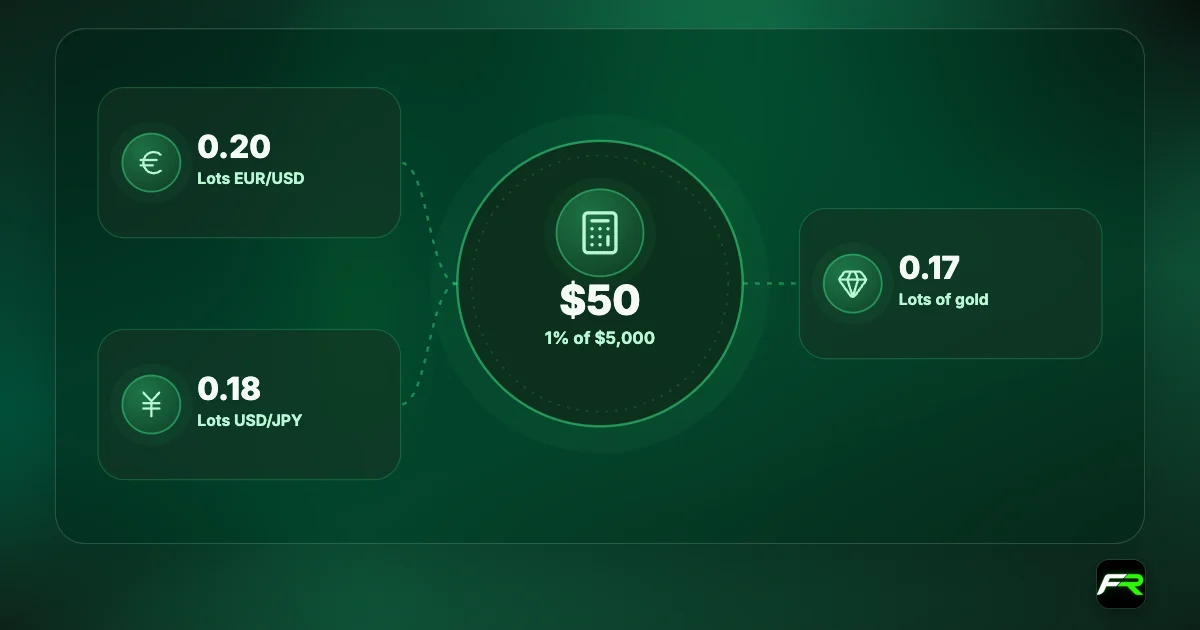
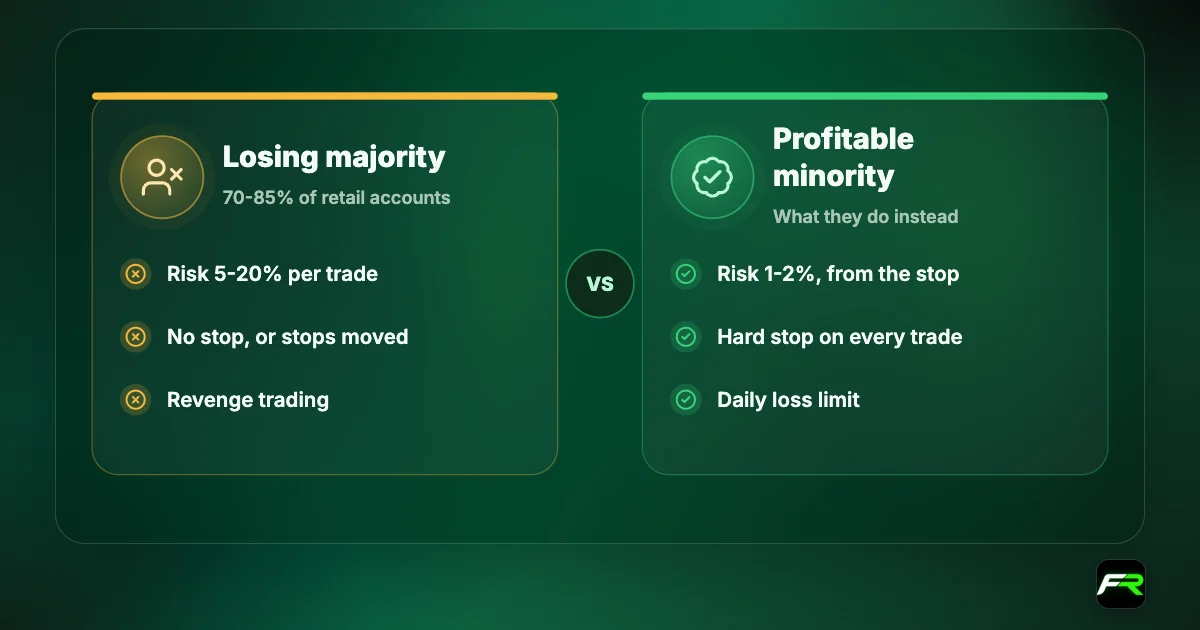
Strongly regulated entities cap retail forex at 1:30; offshore entities offer 1:500 or more. USD/BRL itself can move 2 per cent in a day on fiscal news, so size positions by risk, keeping it to 1 to 2 per cent of the account per trade.
Tax on forex trading in Brazil
Gains on B3 futures follow the local rules for day trades and swing trades, paid monthly through a DARF. Money made on financial investments held abroad, including an offshore trading account, have been taxed under Law 14.754/2023 since 2024, generally at 15 per cent and declared in your annual income tax return. Keep every broker statement, the exchange rates used and your IOF receipts.
General information only. A Brazilian accountant can confirm how your trading should be declared.
Best times to trade from Brazil
Brasília is GMT-3. London opens around 4:00 to 5:00 am, and the London and New York overlap, the busiest window, runs from about 9:00 am to 1:00 pm. B3's mini-dollar trades during the Brazilian session, with the most volume in the morning around US data releases.
Scams aimed at Brazilian traders
- Instagram and Telegram "traders" selling signals or managed accounts with fixed returns.
- Robots and courses sold with promised monthly profits.
- Firms subject to CVM stop orders that keep advertising in Portuguese.
- Recovery services charging upfront fees.
What moves USD/BRL
The real is one of the most volatile major emerging-market currencies. Brazil's Selic rate, among the highest in the world, attracts carry trade money that can leave quickly. Fiscal news from Brasília, commodity prices such as iron ore and soy, and global risk appetite all move USD/BRL, often by more than 1 per cent in a day. That volatility is why the mini-dollar is so actively traded, and why position size matters more than entry timing. A move that looks small on the chart can be large relative to a leveraged position.
PIX and payment partners
Partners can change without notice, so check the name on each PIX request against the one listed in the broker's own client area before paying. A PIX key belonging to an individual rather than a company is a warning sign.
Offshore brokers accept PIX through local payment companies that receive your reais and fund your account in dollars. It is fast, but the partner is a separate company holding your money in transit, and it sets its own exchange rate on top of IOF. Keep every PIX receipt and the partner's name, since your bank statement will show the partner, not the broker, and you will need the trail for your annual declaration.
Tax on B3 mini-dollar trades
| Trade type | Rate | How it is paid |
|---|---|---|
| Day trade (opened and closed the same day) | 20% on net profit | Monthly DARF, with a 1% withholding |
| Swing trade (held overnight) | 15% on net profit | Monthly DARF, with a 0.005% withholding |
Losses can offset later gains of the same type. Your broker's monthly statement lists each operation, which makes the DARF calculation straightforward, and many brokers and apps calculate it for you.
CVM stop orders against forex brokers
The CVM publishes declaratory acts, known as stop orders, against firms offering investment services to the Brazilian public without authorisation. An analysis of CVM public records found that 18 of 33 forex and CFD brands examined appeared in at least one active act, and the list includes large international names such as Pepperstone. The CVM's 2024 investor alert on forex and CFDs sets out the risks in Portuguese and is worth reading before you open any offshore account.
Is XM or Exness legal in Brazil?
No foreign broker holds CVM authorisation for retail forex, so no brand is licensed in Brazil. Whether a specific firm is subject to a stop order changes over time; search its name in the CVM's alerts before you deposit, and remember that an order against a firm can make withdrawals harder even if you signed up earlier.
If a Portuguese-language ad promises fixed monthly returns from forex, or a "robot" that never loses, it is not a broker offer. Report it to the CVM.
Brazilian traders who mainly want dollar exposure often overlook the mini-dollar. It trades on a local exchange, it is funded by PIX and the tax is familiar to any Brazilian accountant. Start there before looking abroad.
Rafael traded EUR/USD CFDs with an offshore broker, funding by PIX. When he added up a year of IOF and conversion spreads, they came to more than his net profit. He now trades the WDO on B3 through a CVM-authorised broker and pays his DARF each month.
| Legal for individuals? | Yes; unlicensed firms may not solicit Brazilians |
|---|---|
| Regulator | CVM (Comissão de Valores Mobiliários) |
| CVM-licensed retail forex brokers | None |
| Local alternative | Mini-dollar future (WDO) on B3 |
| Tax on offshore gains | Generally 15%, Law 14.754/2023, annual return |
| Busiest window | About 9:00 am to 1:00 pm Brasília time |
Another market with strong local options is South Africa, where brokers can hold a licence from the FSCA.
Frequently asked
Is forex trading legal in Brazil?
Yes, for individuals. No law prohibits trading with a broker abroad, but foreign firms may not solicit the Brazilian public without CVM authorisation, and none holds a retail forex licence.
Which is the best forex broker for Brazilians?
For USD/BRL, a CVM-authorised broker trading the mini-dollar on B3. Other pairs need an international broker with a verifiable ASIC, CySEC or FCA licence that is not on the CVM's stop-order list.
Can I use PIX for forex trading?
Yes, many international brokers accept PIX through local payment partners, and B3 brokers take PIX directly.
How is forex taxed in Brazil?
B3 futures follow local monthly rules paid by DARF. Gains held abroad are generally taxed at 15 per cent under Law 14.754/2023 and declared in the annual return.
What is the mini-dollar (WDO)?
A USD/BRL futures contract of USD 10,000 traded on B3. It is exchange-cleared and supervised by the CVM.
What is a CVM stop order?
An order from the CVM telling a firm to stop offering investment services to the Brazilian public without authorisation. Check the CVM's list before opening an account with a broker abroad.
How are mini-dollar day trades taxed?
At 20 per cent of net monthly profit, paid by DARF, with a 1 per cent withholding on each profitable day trade. Swing trades are taxed at 15 per cent.
Is Pepperstone legal in Brazil?
The CVM has issued a stop order against Pepperstone for offering services in Brazil without authorisation. No foreign forex broker holds CVM authorisation for retail clients.
What is the IOF on sending money abroad to invest?
After the 2025 changes, remittances for investment abroad pay IOF at 1.1 per cent, while many other cross-border payments pay 3.5 per cent.
The team behind this guide
Researched, checked and approved by five forex specialists
Every guide is written, fact-checked and edited before it goes live, and updated when the facts change. Spotted an error? Tell us.