IC Markets

 3:09
 2:39
 2:10
 2:18
 3:43
 8:42































What Is the Minimum Age to Trade Forex? Rules by Country
At regulated brokers you almost always need to be 18 to open a live forex account, and some firms ask for more. Here is why, how it varies, what happens if you use a parent's account, and how teenagers can learn safely.
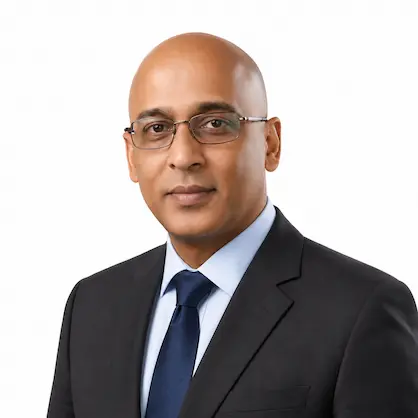
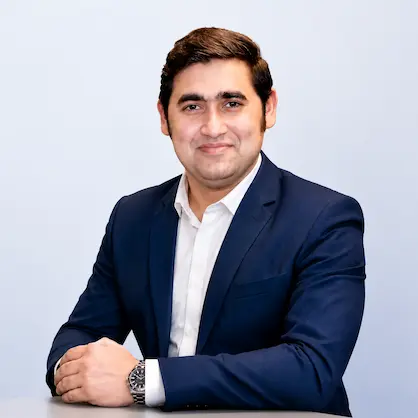
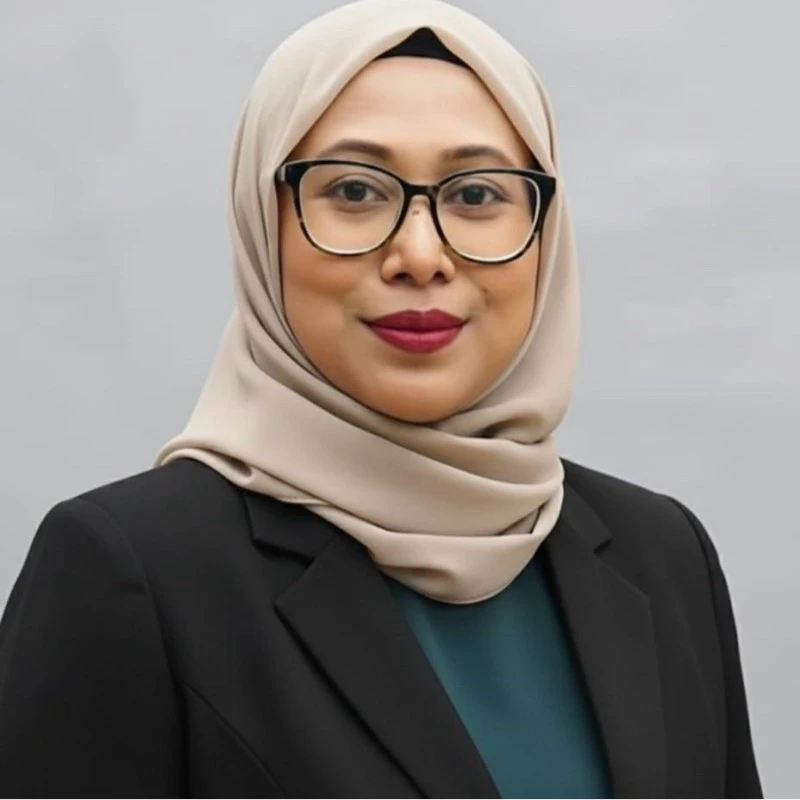
 WriterNafish PialJournalist & FX WriterJournalist · forex news and market writing View profileAbout Nafish →

 ResearchJawad Bin GoniPR & ReporterPR and reporting · media enquiries and press coverage View profileAbout Jawad →

 Fact-checking & riskJannatul FerdaushFact-Checker & Risk AnalystFact-checks every figure · risk analysis · Applied Statistics, University of Dhaka View profileAbout Jannatul →

 Trading reviewJowel RanaForex TraderForex trader · reviews guides from a trader's view View profileAbout Jowel →

 Final approvalRanjan N. MondolForex TraderForex trader · signs off every guide View profileAbout Ranjan →

The minimum age to open a live forex trading account at a regulated broker is almost always 18, the age at which you can legally sign a contract in most countries. A trading account is a legal agreement that allows you to use leverage and potentially owe money, so brokers will not open one for a minor.
Some firms set a higher minimum, such as 21, for accounts that use margin, and a few, particularly in Japan, also set an upper age limit. Rules vary by country and by broker, so always check the terms of the firm you want to use.
| Usual minimum | 18 at regulated brokers |
|---|---|
| Why | A trading account is a contract involving leverage and possible debt |
| Higher minimums | Some firms require 21 for margin accounts |
| Japan | 18 since the age of majority fell from 20 in April 2022 |
| Under 18 | Demo accounts and education, not live leveraged trading |
Why brokers require you to be an adult
Three reasons explain the age rule. First, a minor generally cannot enter a binding contract, so a broker could not enforce the agreement. Second, leveraged trading can create losses larger than the money deposited, and a broker needs to be able to recover a debt from a legally responsible adult. Third, regulators require brokers to check that products are appropriate for each client, and leveraged forex is considered a high-risk product that is not appropriate for children.
Brokers also run identity checks under anti-money-laundering rules. You will be asked for a passport or national ID and proof of address, which reveals your date of birth. Accounts opened with false details can be closed and profits withheld.
How the rules differ
- UK, EU and Australia: regulated brokers require clients to be 18 or over and to pass appropriateness checks for leveraged products.
- United States: brokers generally require clients to be adults, and some firms set 21 as the minimum for margin or leveraged accounts.
- Japan: the age of adulthood fell from 20 to 18 in April 2022, and many Japanese forex firms now accept 18-year-olds. Some also set upper age limits, often around 75 to 80.
- Offshore brokers: may advertise loose rules, but signing up underage breaks their terms too, and you would have no regulator to help in a dispute.
These are general patterns, not legal advice. Your country's rules and your chosen broker's terms decide what applies to you.
What if you use a parent's account?
Some teenagers trade using an account opened in a parent's name. This breaks almost every broker's terms, which say the account holder must be the person trading. If the broker finds out, it can close the account. More importantly, the parent is legally responsible for every trade and every loss, including any negative balance. Profits may also create tax obligations for the parent.
How teenagers can learn forex safely
- Open a demo account. Demo accounts use virtual money and live prices; many brokers allow them with fewer sign-up requirements, but check the terms.
- Learn the basics properly. Pips, lots, leverage, margin and risk per trade matter more than any strategy.
- Keep a trading journal. Record every demo trade and the reason for it, then review what works.
- Treat demo money as real. Use a realistic balance and the same risk rules you would use live.
- Wait until you are 18 to open a live account, and start small with a regulated broker.
Our guides to the forex demo account and what a pip is are good places to start.
Arif wanted to trade after watching videos of young traders. His older cousin offered to let him use her account, but after reading the broker's terms they realised she would be responsible for any losses and the account could be closed. Instead Arif opened a demo account and traded it for a year with a strict 1% risk rule, keeping a journal. By 18 he had a tested plan and a realistic view of how slowly accounts grow, and he opened a small live account with a regulated broker.
Be wary of anyone offering to trade for you, or to open an account on your behalf, if you are under 18. Scams often target young people with promises of fast profits from small deposits.
What you need to open an account at 18
Once you are old enough, opening a live account involves a few standard steps. Expect to provide a passport or national ID card and a recent proof of address, such as a utility bill or bank statement. Regulated brokers also ask questions about your trading knowledge, income and savings to judge whether leveraged products are appropriate for you. If you have no experience, some firms will warn you or limit the leverage you can use.
Deposits must come from an account in your own name. Brokers reject payments from third parties, including parents, because of money-laundering rules. Start with a small amount that you can afford to lose, and keep risk per trade to around 1% of the account while you learn how live trading feels compared with demo.
Is there a maximum age?
Most brokers have no upper age limit, but some, especially in Japan, restrict new accounts for people over a set age, often around 75 to 80, as part of suitability checks. Older traders anywhere should be cautious about leverage and scams; our guide to the oldest traders covers the habits that keep investors safe for decades.
Key points
- 18 is the norm at regulated brokers, and some firms ask for 21 for margin accounts.
- Using someone else's account breaks broker terms and makes them liable for losses.
- Demo accounts are the right place to start if you are under 18.
- Check the specific broker's terms and your country's rules before you sign up.
Thinking about the stories of teenage millionaires? Read who the youngest forex millionaire is before you believe them.
Cite this guide
FX Recap, "What Is the Minimum Age to Trade Forex? Rules by Country", updated 18 November 2026, https://fxrecap.com/learn-forex/education/minimum-age-to-trade-forex
Free to quote with a link. Journalists: data and comment in our press room.
Frequently asked
What is the minimum age to trade forex?
At regulated brokers you almost always need to be 18 to open a live account, because a trading account is a legal contract involving leverage and possible debt. Some brokers require 21 for margin accounts.
Can a 16-year-old trade forex?
Not with a live account at a regulated broker. A 16-year-old can learn with a demo account, which uses virtual money and live prices, and open a live account after turning 18.
Can I use my parent's forex account?
It breaks most brokers' terms, which require the account holder to be the person trading. The parent would also be legally responsible for all losses and any tax on profits, and the broker could close the account.
What is the minimum age to trade forex in Japan?
Japan lowered its age of adulthood from 20 to 18 in April 2022, and many Japanese forex firms now accept clients from 18. Some also set upper age limits around 75 to 80.
Do demo accounts have an age limit?
Demo accounts usually have looser sign-up rules than live accounts because no real money is involved, but some brokers still ask users to be 18. Check the terms of the platform you choose.
Can I deposit money from my parent's bank account?
Usually not. Regulated brokers accept deposits only from accounts in the client's own name, to comply with anti-money-laundering rules. Payments from parents or other third parties are normally rejected or returned.
Do I need experience to open a forex account at 18?
No, but regulated brokers ask about your knowledge and finances to judge whether leveraged trading is appropriate. If you have little experience they may warn you, limit leverage or suggest starting with a demo account.
Is there a maximum age to trade forex?
Most brokers have no maximum, but some, particularly in Japan, restrict new accounts above about 75 to 80 as part of suitability checks. Older traders should be especially careful with leverage.
Related reading
The team behind this guide
Researched, checked and approved by five forex specialists
Every guide is written, fact-checked and edited before it goes live, and updated when the facts change. Spotted an error? Tell us.