IC Markets

 3:09
 2:39
 2:10
 2:18
 3:43
 8:42
Japan's Yen Interventions: A History of Fighting the Market
Japan has intervened in currency markets more often and on a larger scale than any other major economy, sometimes to weaken the yen and sometimes to support it. Here is the record, from 1998 to the trillion-yen operations of the 2020s.
 WriterNafish PialJournalist & FX WriterJournalist · forex news and market writing View profileAbout Nafish →

 ResearchJawad Bin GoniPR & ReporterPR and reporting · media enquiries and press coverage View profileAbout Jawad →

 Fact-checking & riskJannatul FerdaushFact-Checker & Risk AnalystFact-checks every figure · risk analysis · Applied Statistics, University of Dhaka View profileAbout Jannatul →

 Trading reviewJowel RanaForex TraderForex trader · reviews guides from a trader's view View profileAbout Jowel →

 Final approvalRanjan N. MondolForex TraderForex trader · signs off every guide View profileAbout Ranjan →

Japan's Ministry of Finance has intervened in the currency market repeatedly since the 1990s, selling yen when it judged the currency too strong and buying yen when it judged it too weak. The biggest operations include about ¥35 trillion of yen selling in 2003 and 2004, a record ¥8.07 trillion in a single day on 31 October 2011, about ¥9.2 trillion of yen buying in 2022, and about ¥15.3 trillion of yen buying in 2024, including a single-day record of ¥5.92 trillion on 29 April. Press reports of official data say Japan intervened again in 2026 on an even larger scale. For traders, these operations are some of the most violent moves in any major pair.
| Who decides | Japan's Ministry of Finance; the Bank of Japan carries it out |
|---|---|
| 2003–2004 | About ¥35 trillion of yen selling |
| Single-day record (selling) | ¥8.07 trillion, 31 October 2011 |
| 2022 | About ¥9.2 trillion of yen buying |
| 2024 | About ¥15.3 trillion of yen buying, record ¥5.92tn on 29 April |
How Japanese intervention works
In Japan, currency policy is the Ministry of Finance's responsibility. When it decides to act, it instructs the Bank of Japan to buy or sell yen in the market on its behalf. Supporting a weak yen means selling some of its foreign currency reserves, mostly dollars, and buying yen. Weakening a strong yen works the other way: it sells yen and buys foreign currency. The ministry publishes the totals monthly and the daily breakdown each quarter, which is how traders learn the exact size afterwards.
Officials usually warn first. Phrases such as "excessive volatility", "speculative moves" and readiness to take "decisive action" are watched closely, and traders treat a sudden sharp move in USD/JPY after such warnings as a likely intervention even before it is confirmed.
Fighting a strong yen, 1990s to 2011
For most of the period from the 1990s to 2012, Japan's problem was a yen that was too strong, hurting exporters and deepening deflation. The ministry sold yen on a large scale in 2003 and 2004, about ¥35 trillion over roughly fifteen months, to stop it rising. It acted again in 2010.
After the earthquake and tsunami of March 2011, the yen surged as Japanese investors were expected to bring money home, and USD/JPY hit a record low around 76. On 18 March the G7 countries intervened together to weaken the yen, a rare example of joint action. Later that year the yen strengthened again to about 75.3 per dollar, and on 31 October 2011 Japan sold a record ¥8.07 trillion in a single day.
Defending a weak yen, 2022 onwards
From 2022 the problem reversed. US interest rates rose sharply while Japan kept rates near zero, and the yen fell to levels not seen in decades. In September and October 2022, with USD/JPY near 146 and then 152, Japan bought yen for the first time since 1998, spending about ¥9.2 trillion.
The pressure returned in 2024. With USD/JPY above 160, Japan spent about ¥9.79 trillion from late April to late May, including a single-day record of ¥5.92 trillion on 29 April, and a further ¥5.53 trillion on 11 and 12 July. Shortly afterwards the Bank of Japan raised interest rates, which helped trigger the sharp yen rally and carry trade unwind of August 2024. Press reports of Ministry of Finance data indicate that Japan stepped in again in the spring of 2026, at a record scale.
The 1998 operation: the first modern yen defence
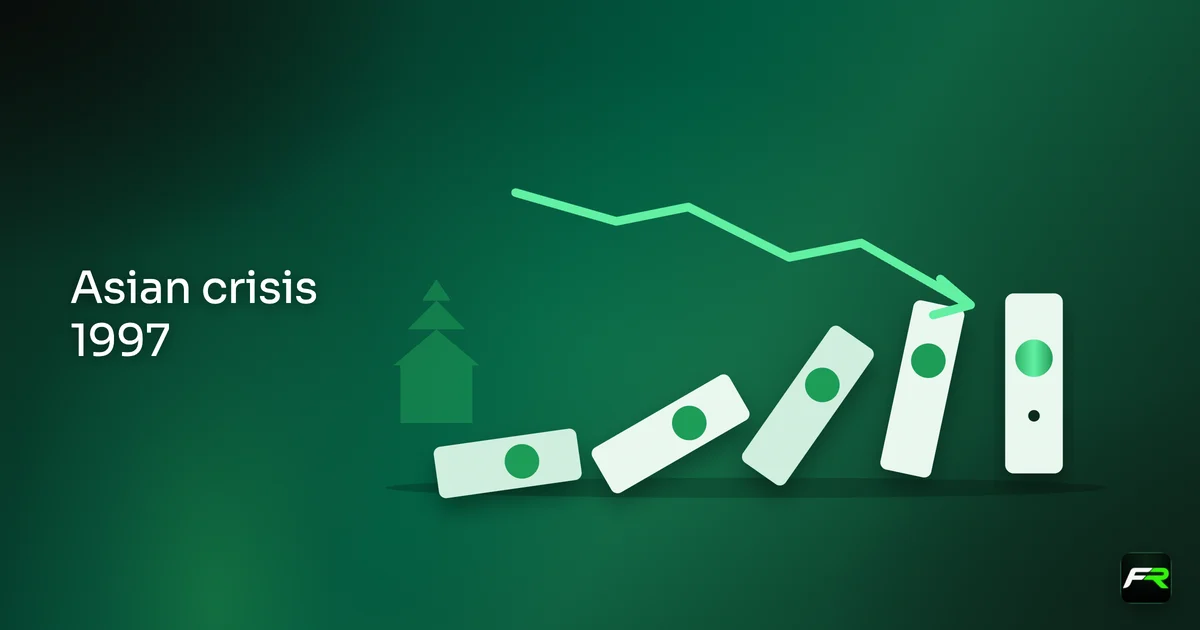
Before 2022, the last time Japan bought yen was in 1998, during the Asian financial crisis. USD/JPY had climbed towards 146 as Japan's banking problems deepened and money left the region. The ministry stepped in to support the currency, and later that year the yen rallied sharply as hedge funds that had borrowed in yen rushed to repay, including during the turmoil around the LTCM collapse. That episode showed that intervention and a change in market positioning together can turn a trend far more quickly than either alone.
Reserves: the limit on buying yen
Japan holds one of the largest stocks of foreign currency reserves in the world, above $1 trillion according to the Ministry of Finance's monthly figures. That gives it plenty of ammunition, but the supply is not endless. Every trillion yen spent supporting the currency reduces the dollar holdings it can use next time. Selling yen faces no such limit, because the government can always create more of its own currency, though large-scale selling draws criticism from trading partners who see it as an unfair push for exporters.
Japan's trading partners watch closely. The United States Treasury reviews currency practices in a regular report to Congress, and Japan has said it intervenes only to counter excessive volatility, not to target a level. Officials repeat that language almost every time, partly to stay within the rules agreed among G7 members.
What an intervention looks like on a chart
On a five-minute USD/JPY chart, a yen-buying intervention typically appears as a vertical drop of several yen in a few candles, often at a time of thin trading such as a Tokyo holiday or late in the New York session. Spreads widen, and price can gap through levels with little trading in between. Over the following days, the pair often recovers part of the fall as traders test whether the ministry will act again. Traders who have watched these episodes look for that pattern: a sharp drop, a partial bounce, and then a slower move that depends on interest rates.
Does intervention work?
Intervention usually works in the short term: USD/JPY often moves several yen in minutes when Japan acts. Whether it lasts depends on interest rates. If the gap between US and Japanese rates keeps pulling money out of the yen, the currency tends to drift back, and the ministry has to act again. Intervention buys time; lasting change in the yen has usually come from shifts in monetary policy, such as the Bank of Japan's rate rises in 2024.
Ken was short yen at USD/JPY 160.20 on 29 April 2024, with a stop 50 pips away. Within minutes the pair dropped about five yen as Japan intervened, and his stop filled more than 100 pips beyond its level as liquidity thinned. The loss was about three times what he had planned. He now cuts position size whenever officials warn about the yen, and avoids holding short-yen trades through Japanese holidays, when intervention has caught markets thin.
Trading USD/JPY near levels where Japan has intervened before is risky. Moves of several yen can happen in minutes, stops can slip badly and spreads widen. Reduce size when officials start warning.
Lessons for traders
- Listen to officials. Verbal warnings often come before action.
- Watch the levels. Japan has tended to act after fast moves to multi-decade extremes.
- Interest rates win in the end. Intervention can pause a trend; policy changes end it.
- Size for sudden gaps. Intervention moves can blow through stops.
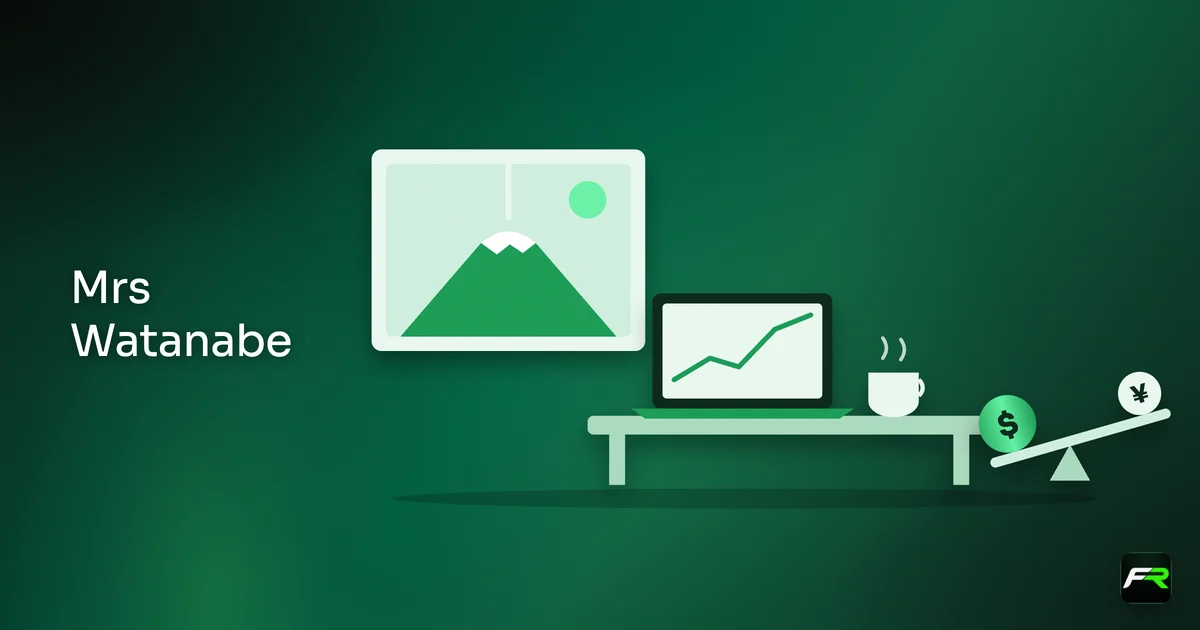
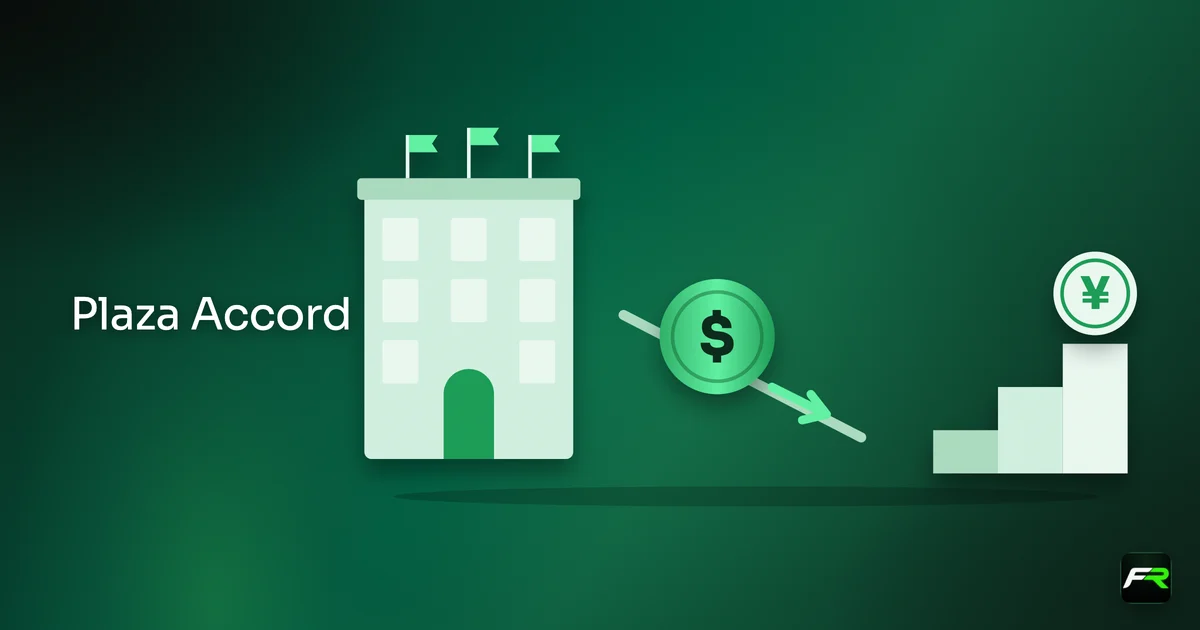
Read how Japan's retail traders interact with these moves in Mrs Watanabe, and how coordinated action once moved the dollar in the Plaza Accord.
Cite this guide
FX Recap, "Japan's Yen Interventions: A History of Fighting the Market", updated 24 November 2026, https://fxrecap.com/learn-forex/education/japan-yen-intervention-history
Free to quote with a link. Journalists: data and comment in our press room.
Frequently asked
Who decides when Japan intervenes in the yen?
Japan's Ministry of Finance decides, and the Bank of Japan carries out the trades on its behalf. The ministry publishes monthly totals and quarterly daily breakdowns.
What is the largest yen intervention?
In total, about ¥35 trillion of yen selling across 2003 and 2004. The single-day record for selling was ¥8.07 trillion on 31 October 2011. For buying yen, 29 April 2024 set a record of ¥5.92 trillion, and press reports say spring 2026 operations were larger still.
Why did Japan buy yen in 2022 and 2024?
The yen had fallen to multi-decade lows because US interest rates were far higher than Japan's. A very weak yen raised import costs, especially for energy and food, so the ministry bought yen to slow the fall.
Does yen intervention work?
It usually moves the market sharply in the short term, but the effect fades if interest rate differences keep pushing the yen the same way. Lasting changes have generally come from monetary policy.
How do traders know Japan has intervened?
Sudden moves of several yen in USD/JPY, often after official warnings, are the first sign. The Ministry of Finance confirms the size at the end of the month and the daily breakdown later.
When did Japan last buy yen before 2022?
In 1998, during the Asian financial crisis, when USD/JPY climbed towards 146. Japan did not buy yen again until September 2022.
How big are Japan's foreign currency reserves?
Above $1 trillion according to the Ministry of Finance's monthly figures, among the largest in the world. These reserves fund yen-buying intervention.
Has Japan ever intervened with other countries?
Yes. After the March 2011 earthquake, the G7 intervened together on 18 March to weaken a surging yen. Joint action is rare and is usually reserved for extreme moves.
Related reading
The team behind this guide
Researched, checked and approved by five forex specialists
Every guide is written, fact-checked and edited before it goes live, and updated when the facts change. Spotted an error? Tell us.