IC Markets

 3:09
 2:39
 2:10
 2:18
 3:43
 8:42
The Best Forex and Trading Books, and What Each One Teaches
A handful of trading books have shaped how professionals and retail traders think for decades. Here are the ones most worth your time, grouped by what you want to learn, with an honest note on what each does and does not cover.
 WriterNafish PialJournalist & FX WriterJournalist · forex news and market writing View profileAbout Nafish →

 ResearchJawad Bin GoniPR & ReporterPR and reporting · media enquiries and press coverage View profileAbout Jawad →

 Fact-checking & riskJannatul FerdaushFact-Checker & Risk AnalystFact-checks every figure · risk analysis · Applied Statistics, University of Dhaka View profileAbout Jannatul →

 Trading reviewJowel RanaForex TraderForex trader · reviews guides from a trader's view View profileAbout Jowel →

 Final approvalRanjan N. MondolForex TraderForex trader · signs off every guide View profileAbout Ranjan →

The trading books most often recommended by professionals are Jack Schwager's Market Wizards series, Edwin Lefèvre's Reminiscences of a Stock Operator, and Mark Douglas's Trading in the Zone, because they teach how successful traders think about risk and themselves rather than offering a magic system. For currencies specifically, Kathy Lien's Day Trading and Swing Trading the Currency Market is a practical starting point.
On history and cautionary tales, Roger Lowenstein's When Genius Failed and Andrew Krieger's The Money Bazaar stand out.
No book will make you profitable on its own. The best ones change how you think about risk, discipline and uncertainty, and that is worth more than any strategy.
| Best on trader psychology | Trading in the Zone, Mark Douglas |
|---|---|
| Best interviews | Market Wizards series, Jack Schwager |
| Best forex-specific guide | Day Trading and Swing Trading the Currency Market, Kathy Lien |
| Best classic | Reminiscences of a Stock Operator, Edwin Lefèvre |
| Best cautionary tale | When Genius Failed, Roger Lowenstein |
Books about how great traders think
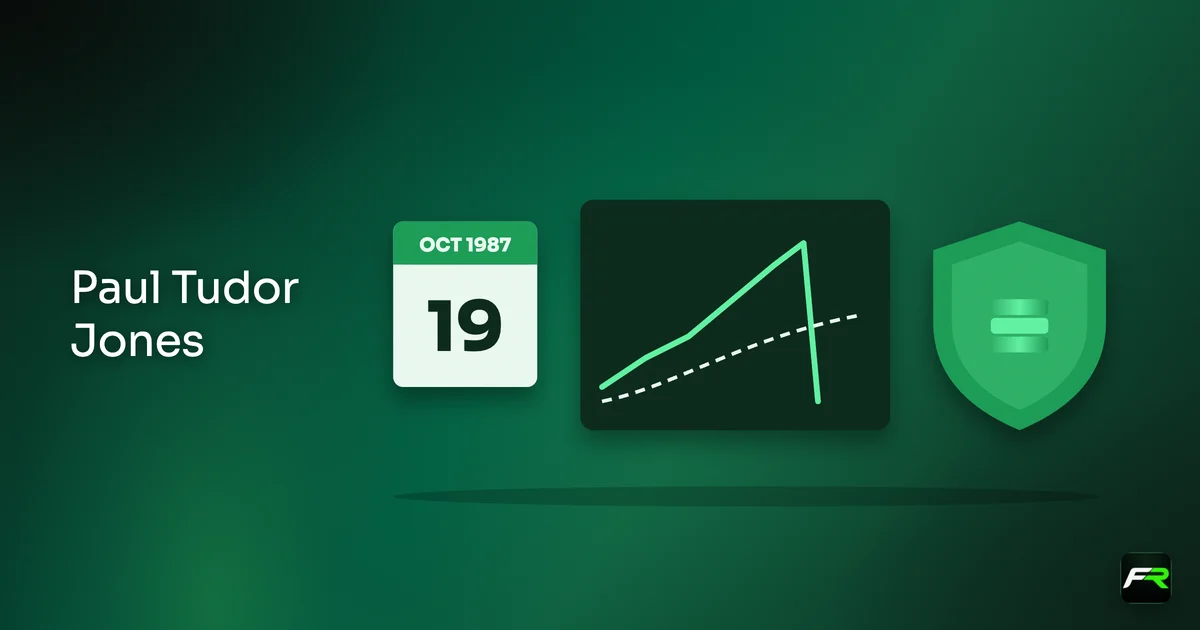
Market Wizards (1989) and The New Market Wizards (1992), by Jack Schwager. Long interviews with some of the most successful traders of their time, including Paul Tudor Jones, Bruce Kovner and Bill Lipschutz. The value is in the patterns: almost every interviewee stresses risk control, discipline and adapting to their own personality. Later books in the series continue the format.
Reminiscences of a Stock Operator (1923), by Edwin Lefèvre. A thinly fictionalised account of the speculator Jesse Livermore's career. Nearly a century old, it is still recommended because the emotions it describes, greed, hope, fear and stubbornness, have not changed.
Trading in the Zone (2000) and The Disciplined Trader (1990), by Mark Douglas. Focused entirely on psychology: why traders break their own rules, how to think in probabilities and how to accept that any single trade can lose. Many traders say these books changed their results more than any technical guide.
Books for learning currency trading
Day Trading and Swing Trading the Currency Market, by Kathy Lien. Explains what drives currencies, from central banks and economic data to how different pairs behave, and sets out specific trading setups. Now in its third edition, it is one of the most practical forex-specific books available. Her shorter The Little Book of Currency Trading is a gentler introduction.
Japanese Candlestick Charting Techniques (1991), by Steve Nison. The book that introduced candlestick charts to Western traders. Useful for understanding price action, though candle patterns work best alongside trend and risk management.
Technical Analysis of the Financial Markets (1999), by John J. Murphy. A comprehensive reference on chart analysis, indicators and trend, often treated as the standard textbook for technical analysis across all markets.
Books about history and big trades
When Genius Failed (2000), by Roger Lowenstein. The story of Long-Term Capital Management, the hedge fund that nearly collapsed in 1998. Essential reading on leverage and the danger of trusting models too much.
The Money Bazaar (1992), by Andrew Krieger. A first-hand account of 1980s currency dealing by the trader behind the famous 1987 bet against the New Zealand dollar.
The Alchemy of Finance (1987), by George Soros. Sets out Soros's theory of reflexivity, the idea that market participants' views can change the fundamentals they are trying to predict. Dense, but important for understanding how a famous macro investor thinks.
| Book | Author | Year | Best for |
|---|---|---|---|
| Market Wizards | Jack Schwager | 1989 | How top traders manage risk |
| Reminiscences of a Stock Operator | Edwin Lefèvre | 1923 | Timeless trading psychology |
| Trading in the Zone | Mark Douglas | 2000 | Discipline and probability thinking |
| Day Trading and Swing Trading the Currency Market | Kathy Lien | Latest: 3rd ed. | Practical forex setups and drivers |
| Japanese Candlestick Charting Techniques | Steve Nison | 1991 | Reading candles |
| When Genius Failed | Roger Lowenstein | 2000 | Leverage and model risk |
Books that are often overrated
Some popular books deserve a caution. Titles that promise a complete system for quick profits, or that are written mainly to sell a course, signals or software, rarely show complete trading records and tend to skip over losing periods. Books built on a single indicator or chart pattern can be useful for one idea, but trading any pattern without risk management and context is how most beginners lose.
Older classics have their own limits. Reminiscences of a Stock Operator describes markets with different rules and costs from today, and Livermore himself had several spectacular losses later in life. Read the classics for psychology, not for specific tactics.
Free reading that is just as useful
Some of the most valuable reading costs nothing. Central bank statements and minutes explain the decisions that move currencies. Regulators publish guides to leverage and scams, and the risk warnings brokers must display tell you how most retail traders fare. Our own Learn Forex section covers the basics, from pips and lots to risk management, with examples you can test on a demo account.
How to read trading books well
Many trading "books" are marketing for courses, signals or brokers. Check the author's background, look for honest discussion of losses, and be wary of any title promising guaranteed returns.
Rina read five trading books in a month and tried a new strategy from each, losing money as she jumped between them. On her second attempt she read Trading in the Zone slowly, wrote down one rule from each chapter, and tested a single simple setup from Kathy Lien's book on a demo account for three months. Her results were steadier because she finally stuck to one method long enough to judge it.
Audiobook versions of several classics, including Market Wizards and Reminiscences of a Stock Operator, make them easy to absorb on a commute, though the practical guides are better read with a chart open beside you.
A sensible reading plan takes one book at a time and tests its main idea for a month on a demo account before moving on. Ten books read this way teach far more than fifty skimmed.
Where to start
- Complete beginner: Kathy Lien's Little Book of Currency Trading, then our free guides.
- Struggling with discipline: Trading in the Zone.
- Want inspiration and patterns: Market Wizards and The New Market Wizards.
- Want to understand risk: When Genius Failed.
Pair your reading with our free lessons on trading psychology and candlestick charts.
Cite this guide
FX Recap, "The Best Forex and Trading Books, and What Each One Teaches", updated 23 November 2026, https://fxrecap.com/learn-forex/education/best-forex-trading-books
Free to quote with a link. Journalists: data and comment in our press room.
Frequently asked
What is the best book for forex beginners?
Kathy Lien's The Little Book of Currency Trading is a gentle introduction, and her Day Trading and Swing Trading the Currency Market goes further with practical setups. Pair either with a demo account and a clear risk rule.
What is the best book on trading psychology?
Mark Douglas's Trading in the Zone is the most widely recommended. It explains why traders break their own rules and how to think in probabilities so that single losses do not derail you.
Is Market Wizards worth reading?
Yes. Jack Schwager's interviews with top traders reveal a consistent message: success comes from risk control, discipline and a method that suits your personality, not a secret strategy.
Is Reminiscences of a Stock Operator still relevant?
Yes, despite being published in 1923. Its account of Jesse Livermore's trading captures emotions such as greed, hope and stubbornness that still drive mistakes in every market, including forex.
Which book explains the dangers of leverage?
Roger Lowenstein's When Genius Failed tells how Long-Term Capital Management, run by Wall Street stars and Nobel laureates, nearly collapsed in 1998 because of extreme leverage and over-reliance on models.
What should I read after Market Wizards?
The New Market Wizards (1992) continues the interviews, including currency traders such as Bill Lipschutz. Many readers then move to Trading in the Zone for psychology and When Genius Failed for a lesson in leverage.
Are trading books written by course sellers worth reading?
Some are, but be cautious. Look for honest discussion of losses, specific examples and realistic expectations. Be wary of books that mainly promote a paid course, signals or a single secret strategy.
Can a book teach me to be a profitable trader?
No book alone can. The best ones improve how you think about risk and discipline. Profitability depends on applying a tested method consistently, with proper position sizing, over a long period.
Related reading
The team behind this guide
Researched, checked and approved by five forex specialists
Every guide is written, fact-checked and edited before it goes live, and updated when the facts change. Spotted an error? Tell us.