IC Markets

 3:09
 2:39
 2:10
 2:18
 3:43
 8:42
Forex Billionaires: Myths vs Reality
Social media is full of stories about forex traders who turned small accounts into fortunes. The real billionaires of currency trading followed a very different path. Here are the most common myths and what the record shows.
 WriterNafish PialJournalist & FX WriterJournalist · forex news and market writing View profileAbout Nafish →

 ResearchJawad Bin GoniPR & ReporterPR and reporting · media enquiries and press coverage View profileAbout Jawad →

 Fact-checking & riskJannatul FerdaushFact-Checker & Risk AnalystFact-checks every figure · risk analysis · Applied Statistics, University of Dhaka View profileAbout Jannatul →

 Trading reviewJowel RanaForex TraderForex trader · reviews guides from a trader's view View profileAbout Jowel →

 Final approvalRanjan N. MondolForex TraderForex trader · signs off every guide View profileAbout Ranjan →

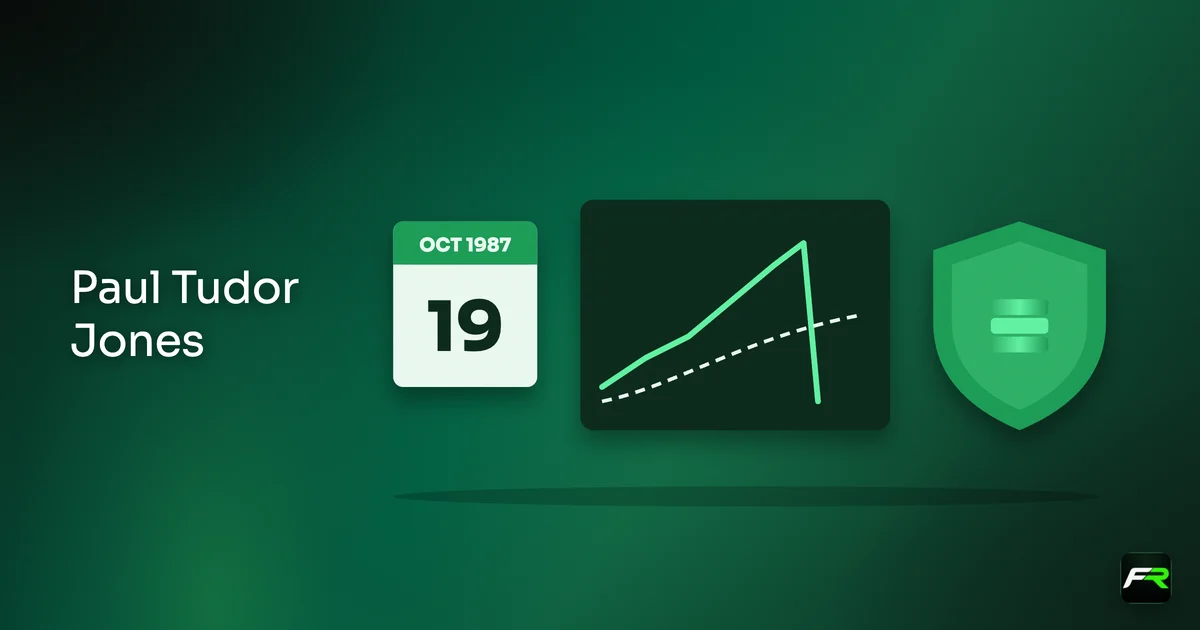
The traders who became billionaires through currency markets, such as George Soros, Stanley Druckenmiller and Paul Tudor Jones, made their fortunes running large investment funds with outside capital, not by growing small retail accounts. They earned fees and a share of profits on billions of dollars, worked with teams of analysts, and traded many markets beyond forex.
The popular image of a lone trader turning a few thousand dollars into a billion on a phone app does not match any documented case. Meanwhile, every UK- and EU-regulated provider in our CFD loss-rate tracker reports that most of its retail accounts lose money. Knowing the difference protects you from unrealistic goals and from people selling them.
| How the famous fortunes were made | Running funds with outside capital |
|---|---|
| Soros on Black Wednesday | Profit of about $1 billion, as reported |
| Retail results | Most retail CFD accounts lose money (provider warnings) |
| $1,000 at 10% a month | Takes about 12 years to reach $1 billion |
Myth 1: They started with tiny accounts
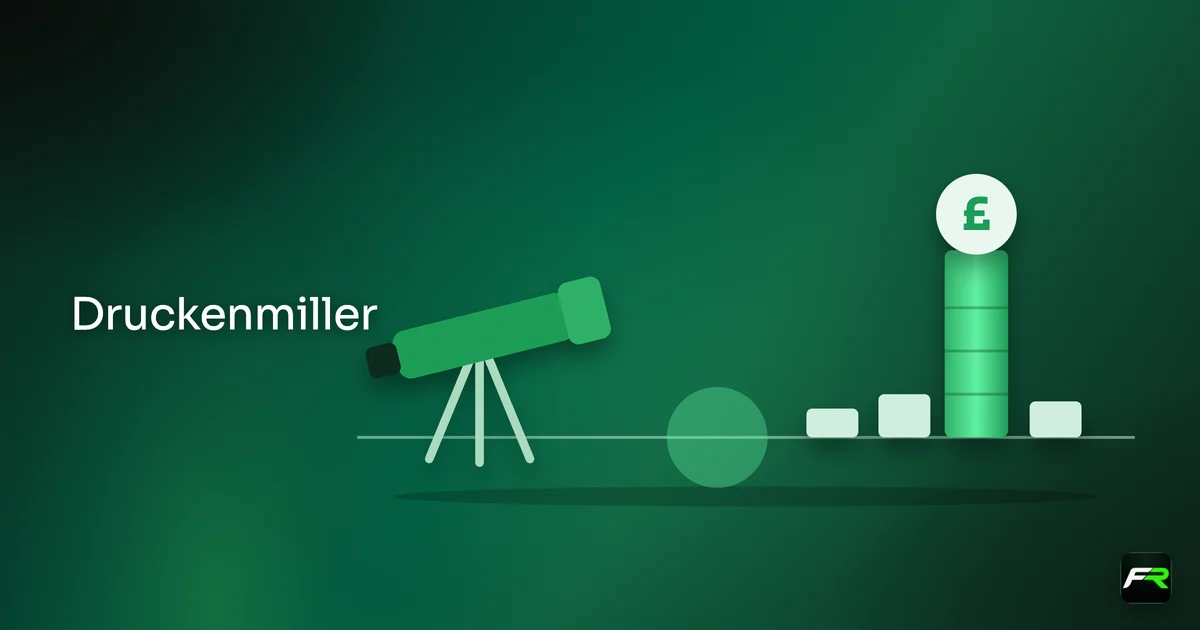
Some famous traders did start small. Bruce Kovner made his first trade with about $3,000 borrowed on a credit card. But the fortunes came later, from managing outside money. Soros co-founded the Quantum Fund, Paul Tudor Jones built Tudor Investment Corporation, and Druckenmiller ran Duquesne Capital. A fund manager earns fees on the whole fund and a share of its gains, so a good year on a large fund can produce personal income no retail account could match.
Myth 2: Soros made a billion out of nothing
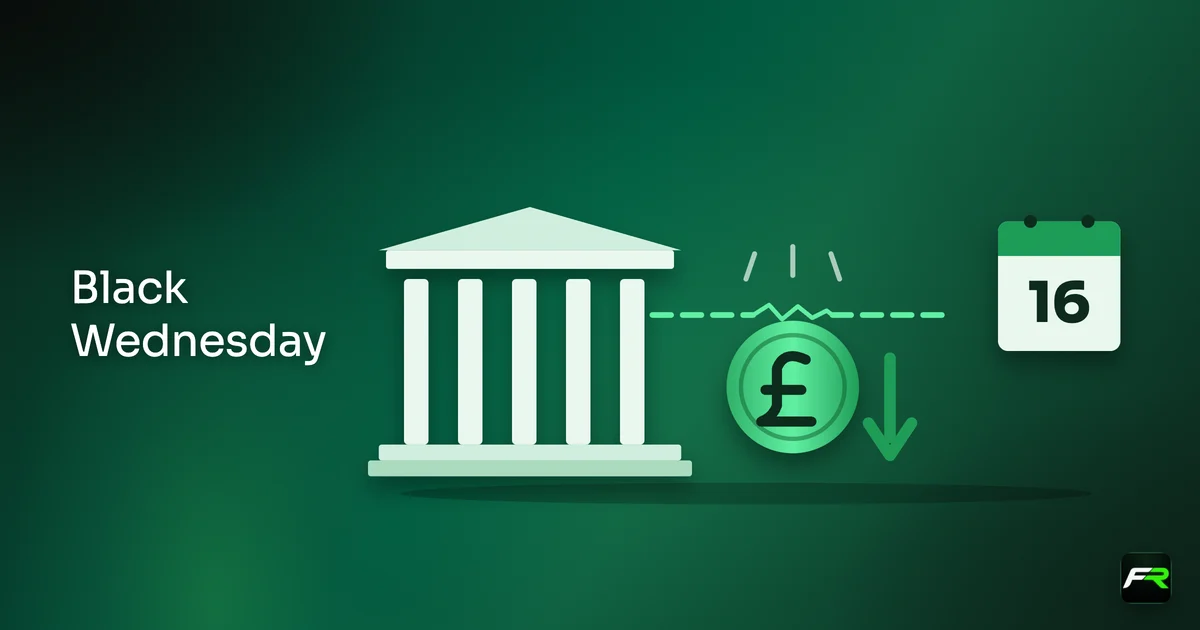
The Quantum Fund's profit on Black Wednesday in 1992 is reported at about $1 billion. That profit came from a short position reported at around $10 billion, built by a fund that was already large and had years of success behind it. Soros and his team had analysed the UK's position in the European Exchange Rate Mechanism for months. The trade was large because the fund was large, not because a small bet multiplied by luck.
Myth 3: Compounding makes anyone a billionaire
Social media posts often show how a small account could grow if it compounded at a steady rate every month. The maths works on paper, but the returns needed are unrealistic. Making 10% a month without a losing month, which almost no professional fund achieves even for a year, would turn $1,000 into about $3,138 after one year, about $304,000 after five, and about $92.7 million after ten. Reaching $1 billion would take about twelve years of uninterrupted gains. A single large loss resets the whole chain.
Myth 4: Social media lifestyles prove success
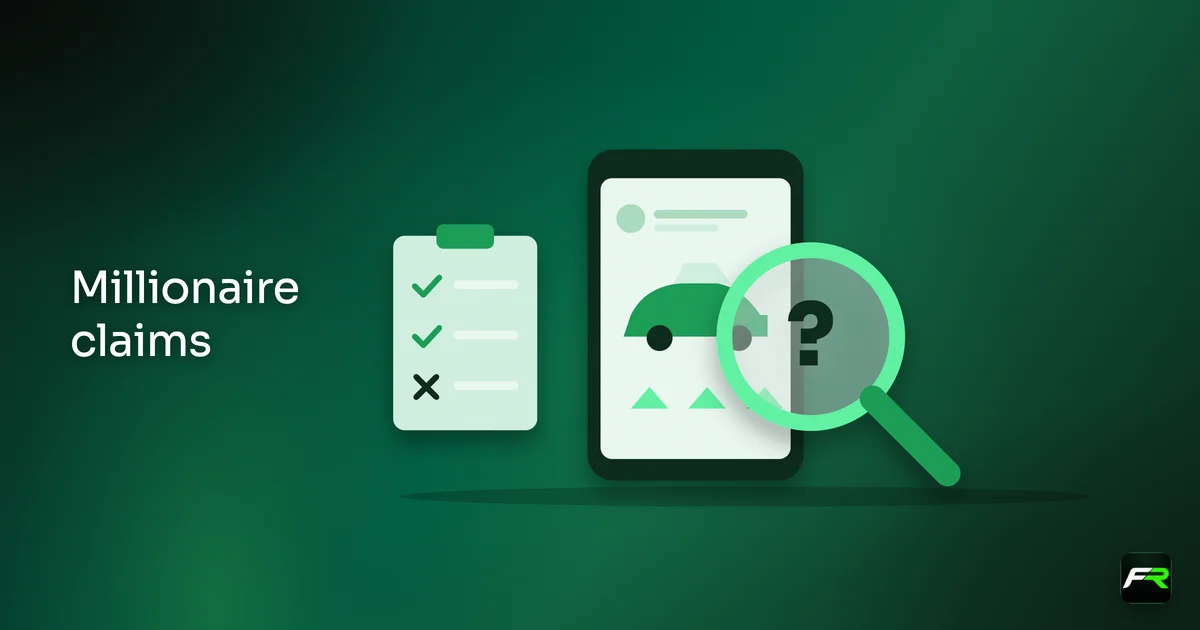
Photos of cars, watches and holidays prove nothing about trading results. Cars and venues can be rented, screenshots can come from demo accounts or be edited, and winning trades can be shown while losing ones are hidden. Regulators in several countries have warned about "finfluencers" who promote trading without disclosing that they are paid. A verified, audited track record is rare; a lifestyle post costs little.
Myth 5: Signal sellers and mentors get rich from trading
Many people who sell courses, signals or account management earn their money from sales and affiliate commissions rather than from their own trading. That does not make every educator dishonest, but it changes the incentive. If someone could reliably make large returns, selling their method for a monthly subscription would be a strange way to use it. Ask how they earn, and whether they can show audited results.
Myth 6: Billionaires use a secret strategy
There is no single secret method behind the famous fortunes. The traders who have spoken publicly, in books such as Market Wizards and in interviews, describe very different approaches. Some followed economic trends, others relied on charts, and several changed style over their careers. What they repeat is less exciting: cut losses quickly, size positions so that one mistake cannot end the career, and wait for situations where the potential reward is much larger than the risk. Anyone selling a "billionaire strategy" is selling a story, not a documented method.
Myth 7: Young millionaires are common
Stories of teenage forex millionaires spread quickly, but very few can be verified. Some have later been linked to investment schemes or regulatory action. We look at the record in the youngest forex millionaire and forex Ponzi schemes, where promises of steady, high returns turned out to be paid from new investors' money.
Kwame paid for a mentor's signal group after seeing photos of supercars and a screenshot showing a $50,000 profit week. Over two months, following the signals cost him most of his $1,500 account. He later found that the mentor's income came from subscriptions and broker referral commissions. Today Kwame trades a demo account while learning, and asks anyone selling signals for a verified long-term record before paying.
Anyone who promises guaranteed or steady high monthly returns from forex is a red flag. Check that a person or firm is authorised by a regulator before giving them money or following their trades.
What the real winners share
Looking across the documented careers covered in this series, a few patterns appear. The successful traders spent years learning before they managed large sums. Those who have described their early years survived their first mistakes because the mistakes were small enough to survive. They also worked inside firms with risk managers, research teams and strict limits, and most of their fortunes came from growing those firms. None of this is quick, and none of it depends on a single trade.
For a retail trader, the realistic version of that path looks modest. It means treating the first year as training, risking a small fixed share of the account on each trade, keeping a journal and judging progress by consistency rather than by the size of a single win. Some traders who follow it make steady returns; many still lose. The difference from the social media story is that nobody on this path is promised a fortune, and nobody loses everything on one bad week. Slow progress is not exciting to post online, which is exactly why you rarely see it.
Lessons for traders
- Separate trading from fund management. The famous fortunes came from managing other people's money.
- Distrust lifestyle proof. Ask for audited records instead.
- Run the compounding maths. Unrealistic returns are the core of most scams.
- Set realistic goals. Surviving and learning come before growing.
See what the record says in how many forex traders are profitable, and see which firms to avoid in our scam broker blacklist.
Cite this guide
FX Recap, "Forex Billionaires: Myths vs Reality", updated 26 November 2026, https://fxrecap.com/learn-forex/education/forex-billionaires-myths
Free to quote with a link. Journalists: data and comment in our press room.
Frequently asked
Are there any forex billionaires?
A few traders known for currency trades, such as George Soros, became billionaires, but they did so by running large investment funds that traded many markets, earning fees and profit shares on outside capital.
Did anyone become a billionaire trading a retail forex account?
There is no documented, verified case of someone turning a small retail forex account into a billion dollars. Stories claiming this should be treated with caution.
How much did Soros make on Black Wednesday?
The Quantum Fund's profit is widely reported at about $1 billion, from a short pound position reported at around $10 billion.
Can compounding make me rich from forex?
Only in theory. Turning $1,000 into $1 billion at 10% a month would take about twelve years without a single losing month, which is far beyond what professional funds achieve.
Are forex influencers' profits real?
Some may be, but screenshots, demo accounts and rented lifestyles are easy to fake. Many influencers earn from courses, signals or broker referral commissions rather than trading.
What percentage of retail forex traders lose money?
UK- and EU-regulated CFD providers must publish this figure, and every provider in our tracker reports that most of its retail accounts lose money.
What is a realistic goal for a new trader?
Learning to protect capital, keeping risk per trade small and building a consistent process. Large returns are not a realistic early goal.
Related reading
The team behind this guide
Researched, checked and approved by five forex specialists
Every guide is written, fact-checked and edited before it goes live, and updated when the facts change. Spotted an error? Tell us.