 IC Markets

 3:09
 2:39
 2:10
 2:18
 3:43
 8:42
































Forex Exotic Currency Pairs: Examples, Costs and Risks
Exotic pairs match a major currency with one from a smaller or emerging economy, such as USD/ZAR, USD/MXN or USD/TRY. They move more and cost more. Here is what to know before trading one.
 WriterAbir KhanWriterWrites the guides · checks every figure against primary sources View profileAbout Abir →

 Market analysisTanbir Habib RiyadForex & Crypto AnalystForex and crypto analyst · technical and fundamental analysis View profileAbout Tanbir →

 Fact-checking & riskJannatul FerdaushFact-Checker & Risk AnalystFact-checks every figure · risk analysis · Applied Statistics, University of Dhaka View profileAbout Jannatul →

 Trading reviewJowel RanaForex TraderForex trader · reviews guides from a trader's view View profileAbout Jowel →

 Final approvalRanjan N. MondolForex TraderForex trader · signs off every guide View profileAbout Ranjan →

An exotic currency pair combines a major currency, usually the US dollar or the euro, with the currency of a smaller or emerging economy. USD/ZAR (South African rand), USD/MXN (Mexican peso), USD/TRY (Turkish lira), EUR/PLN (Polish zloty) and USD/SGD (Singapore dollar) are common examples. Exotics tend to have wider spreads, larger swaps and sharper moves than the majors, because far less money trades in them.
The BIS Triennial Survey 2025 shows how concentrated the market is: the dollar, euro, yen, pound, renminbi and Swiss franc between them dominate global turnover.
This lesson explains which pairs count as exotic, why they behave differently, what they cost and how traders handle them. If you are still learning the basic groups, read about major pairs and cross pairs first.
Which pairs are exotic
There is no official list, and brokers draw the line in slightly different places. As a rule, a pair is exotic when one side is a currency with relatively low global turnover, often from an emerging market. The other side is almost always a major.
| Pair | Currency | Region |
|---|---|---|
| USD/ZAR | South African rand | Africa |
| USD/MXN | Mexican peso | Latin America |
| USD/TRY | Turkish lira | Europe and Middle East |
| EUR/PLN, EUR/HUF | Polish zloty, Hungarian forint | Central Europe |
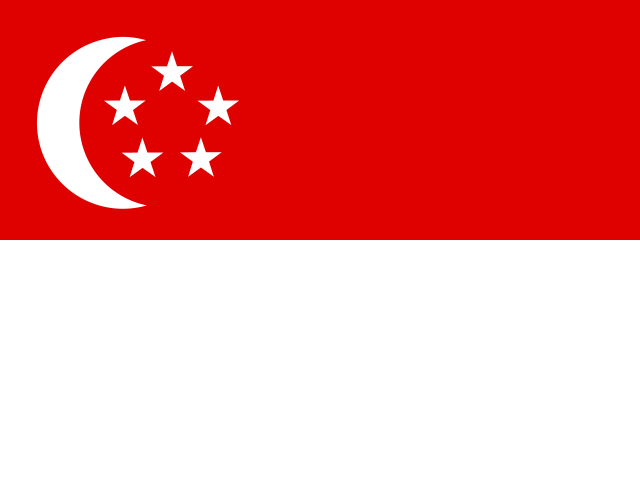
| USD/SGD, USD/HKD, USD/THB | Singapore dollar, Hong Kong dollar, Thai baht | Asia |
| USD/SEK, USD/NOK | Swedish krona, Norwegian krone | Nordics (often grouped separately) |
The Scandinavian currencies sit in a grey area. They come from rich economies with stable institutions, yet trade far less than the majors, so many brokers list them with the exotics. What matters for you is the cost and behaviour of the specific pair, not its label.
Why exotics move more
Smaller markets react harder to news. A shift in global risk appetite, a commodity price swing or a local political event can move an emerging-market currency several percent in a week. Our own Currency Volatility Index measures this from European Central Bank reference rates. Over the 52 weeks to 30 October 2026, the Brazilian real had annualised volatility of 11.6% and the South African rand 10.1%, against 5.5% for the euro.
Higher volatility cuts both ways. A move that takes a week in EUR/USD can happen in a day in USD/ZAR, so profit targets are reached faster and stops are hit faster. In the same period, the South African rand's largest one-week move was 4.8% against the dollar. The full table, with every currency, is on the currency volatility index page.
Quiet does not mean safe
Volatility measures how much a currency jumps around, not where it ends up. The Turkish lira had volatility of only 0.9% in our index, lower than the euro, yet it lost 15.8% against the dollar over the 12 months. It fell in small, steady steps. The Hong Kong dollar barely moves at all because the Hong Kong Monetary Authority keeps it between 7.75 and 7.85 per US dollar under its Linked Exchange Rate System. Pegs and managed currencies can stay calm for years, and the risk is a sudden change in policy.
What exotics cost
Spreads on exotic pairs are often many times wider than on EUR/USD. The gap is smallest when the currency's home market is open and widens sharply outside those hours, around holidays and during news. Before trading, open the broker's contract specifications and note the typical spread for that pair at the time of day you trade.
Swaps can matter even more. Emerging-market central banks often hold interest rates well above those in the US or the euro area. Holding a position that sells the high-rate currency can cost a significant amount each night, while the opposite position may earn a credit. That credit is not free money: a currency can lose more in price than the swap pays, as the lira's steady slide in our index shows. Our lesson on swap long vs swap short explains how to read the numbers, and the swap calculator turns them into money.
Pip values also need care. On USD/ZAR or USD/MXN the pip is worth 10 units of the local currency per standard lot, which is a small amount in dollars. That tempts traders into large positions, but the pair can move hundreds of pips in a day. Size by the money at risk, not by the pip count, using the pip calculator.
Leverage limits are lower
Regulators treat exotics as riskier. Under the FCA rules, only pairs made of two of the US dollar, euro, yen, pound, Canadian dollar and Swiss franc count as major and can use up to 30:1 for retail clients. Every exotic falls into the "other currency pairs" group, capped at 20:1 in the UK and the EU. Brokers may set lower limits still on volatile currencies, and some raise margin before elections or central bank meetings in those countries.
Lower leverage is a sensible starting point, not a restriction to work around. A 3% move against you at 20:1 removes 60% of the margin on that position. Our page on leverage limits by country shows the caps in other regions.
Risks that majors rarely have
- Gaps. Thin markets can open far from Friday's close on Monday, or jump on a surprise announcement, so stops fill at worse prices.
- Central bank intervention. Some central banks step in to buy or sell their own currency, which can reverse a trend in minutes.
- Capital controls and pegs. A government can restrict currency flows or change a peg, as the Swiss franc floor removal in 2015 showed even for a major economy.
- Political events. Elections, budget crises and sanctions move exotic currencies far more than they move the dollar or euro.
- Broker conditions. Some brokers widen spreads heavily or close certain exotic pairs to new trades during stressed markets.
A trader buys USD/ZAR on a Friday at a size he would use on EUR/USD, with a 150-pip stop that looks wide. Over the weekend, an unexpected political announcement weakens the rand. On Monday the pair opens 400 pips higher, well past the trader's target, and he is pleased. A week later he holds the same size the other way, a similar surprise hits, and the gap carries his stop 350 pips further than planned. The lesson he takes away is to size exotics for the gap, not the stop.
How traders approach exotic pairs
- Trade when the home market is open. Spreads on USD/ZAR are tightest in European and Johannesburg hours; USD/MXN in New York hours.
- Use smaller positions. Many traders cut their normal size by half or more to account for bigger swings and gaps.
- Check the swap before holding. A trade that looks good on the chart can be eaten by nightly charges over several weeks.
- Follow the local calendar. Central bank decisions, inflation releases and elections in the exotic currency's country move the pair most.
- Avoid trading through big events. Spreads widen and liquidity thins just before and after major announcements.
For South African traders, our guides to the SARB and USD/ZAR and the rand crosses go deeper on one exotic currency in practice.
Are exotic pairs right for beginners?
Usually not as a first market. Higher costs mean a strategy has to work harder just to break even, and sharper moves punish sizing mistakes. Most beginners learn faster on EUR/USD or another major, where costs are low and moves are easier to read. Once you have a tested plan, exotics can be added in small size, ideally in a currency whose economy you follow closely.
Your own currency can be an exception. A trader in South Africa or Mexico often understands local news better than a trader abroad, which is a real advantage. The costs and risks above still apply.
Forex and contract for difference (CFD) trading carries a high risk of losing money quickly because of leverage, and exotic pairs add wider spreads and larger gaps. Most retail accounts lose money. This lesson explains how exotic pairs work; it is not advice to trade them.
Cite this guide
FX Recap, "Forex Exotic Currency Pairs: Examples, Costs and Risks", updated 7 November 2026, https://fxrecap.com/learn-forex/education/exotic-currency-pairs
Free to quote with a link. Journalists: data and comment in our press room.
Frequently asked
What is an exotic currency pair?
A pair that combines a major currency, usually the US dollar or euro, with the currency of a smaller or emerging economy, such as USD/ZAR, USD/MXN, USD/TRY or EUR/PLN.
Why are spreads wider on exotic pairs?
Far less money trades in them than in the majors, so there are fewer buyers and sellers at any moment. Spreads widen further outside the local market's hours and around news.
What leverage can I use on exotic pairs in the UK or EU?
Retail clients are capped at 20:1 on exotic pairs, compared with 30:1 on major pairs. Brokers can set lower limits.
Do exotic pairs have higher swaps?
Often, yes. Emerging-market interest rates are frequently much higher than US or euro rates, so holding a position overnight can cost or earn noticeably more than on a major pair.
Are exotic pairs good for beginners?
Usually not as a first market. Higher costs and sharper moves make mistakes more expensive. Most beginners do better learning on a major pair first.
Is USD/SGD an exotic pair?
Most brokers list it as exotic because the Singapore dollar trades far less than the majors, although Singapore is a large financial centre.
Related reading
The team behind this guide
Researched, checked and approved by five forex specialists
Every guide is written, fact-checked and edited before it goes live, and updated when the facts change. Spotted an error? Tell us.