IC Markets




















Is Forex Trading Legal in Bangladesh?
Officially no: currency rules bar residents from sending money abroad for margin trading, and Bangladesh Bank has said so. The real risks.
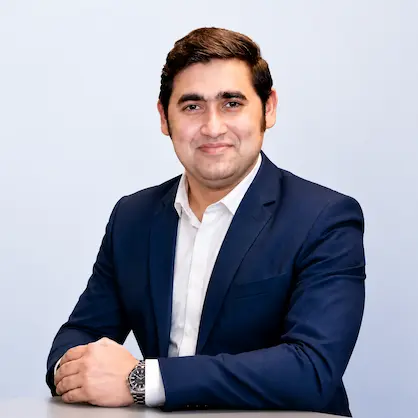
 WriterAbir KhanWriterWrites the guides · checks every figure against primary sources View profileAbout Abir →
 Market analysisTanbir Habib RiyadForex & Crypto AnalystForex and crypto analyst · technical and fundamental analysis View profileAbout Tanbir →
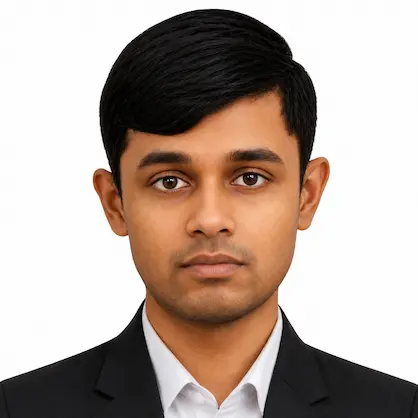
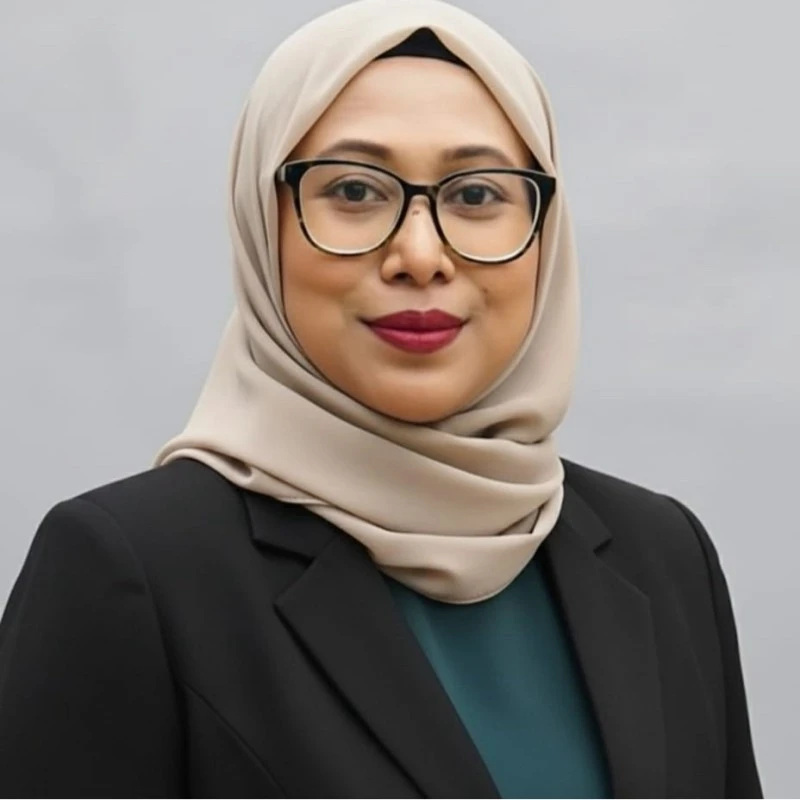
 Fact-checking & riskJannatul FerdaushFact-Checker & Risk AnalystFact-checks every figure · risk analysis · Applied Statistics, University of Dhaka View profileAbout Jannatul →
 Trading reviewJowel RanaCo-Founder & Forex TraderCo-founder · forex trader · reviews guides from a trader's view View profileAbout Jowel →
 Final approvalRanjan NiskrityFounder, Owner & Forex TraderFounder and owner · forex trader · signs off every guide View profileAbout Ranjan →
Bangladesh has one of the clearer positions in the region, and it is restrictive. Under the Foreign Exchange Regulation Act 1947, residents cannot freely hold foreign currency or remit money abroad for investment, and Bangladesh Bank has stated that online forex trading is not permitted for residents. There is no licensed retail forex broker in the country, and no local authority you can complain to if a trade or a withdrawal goes wrong.
The restriction is not really about the act of trading. It is about money leaving the country without authorisation. That distinction shapes where the risk sits: the trade on the screen is not the problem, the deposit and the withdrawal are. Our best forex brokers in Bangladesh guide covers the firms worth considering and the funding routes.
What the restriction blocks
- Sending taka abroad to fund a margin-trading account is outside the permitted uses of foreign exchange.
- Holding a foreign-currency trading balance as a resident is not allowed without specific approval.
- Local promotion of forex platforms, and “forex training that also takes your deposit”, draws warnings and occasional action.
The trade itself, clicking buy and sell on a platform, is not what the law is built around. The money crossing the border is. That is why both the enforcement risk and the practical risk sit on the funding side, not the trading side.
How people trade despite the rule
Through informal channels. bKash or Nagad to a local “agent” who says they will credit an offshore account in USD. USDT bought from a local seller and sent to the broker. A friend or relative living abroad who funds the account and is repaid in taka at home. Every one of these routes takes your money out of the regulated system, and if the broker or the agent disappears, there is nothing to fall back on.
Tanvir sent BDT 20,000 to a Telegram “agent” who promised to credit his broker account in USD. The agent credited about 70% of it, blamed “fees and the rate”, and then stopped replying when Tanvir asked to withdraw. There was no broker dispute process, because Tanvir had never dealt with the broker directly, only the agent. The money was simply gone, with no realistic way to recover it.
If you are set on trading, the least-bad version is dealing directly with a broker that has a verifiable licence abroad, never through a local “agent” who sits between you and the account. An agent in the middle is the single biggest way people lose money in Bangladesh, ahead of any losing trade, our scam broker list covers the pattern in more detail.
If an agent takes your money and stops responding, that is a fraud complaint, not a forex dispute. File it with the CID Cyber Police Centre; the Bangladesh Financial Intelligence Unit (BFIU) is the body that tracks these agent networks at the systemic level from the banking side, but it does not handle individual recovery claims directly.
The realistic risks
- Legal: you are outside currency-control law. Action against individuals has been rare, but the restriction is real and clearly stated.
- Counterparty: no local recourse, and informal funding agents are a common point of failure.
- Practical: withdrawals back into Bangladesh are slow, sometimes blocked, and often only possible to the same channel you funded with.
Tax
Because the activity itself is not permitted, there is little practical guidance on declaring forex gains, and most traders who do it keep it off their return. That is a choice with its own risk. If you have meaningful gains, take advice from a local accountant rather than assume the informal status quo protects you.
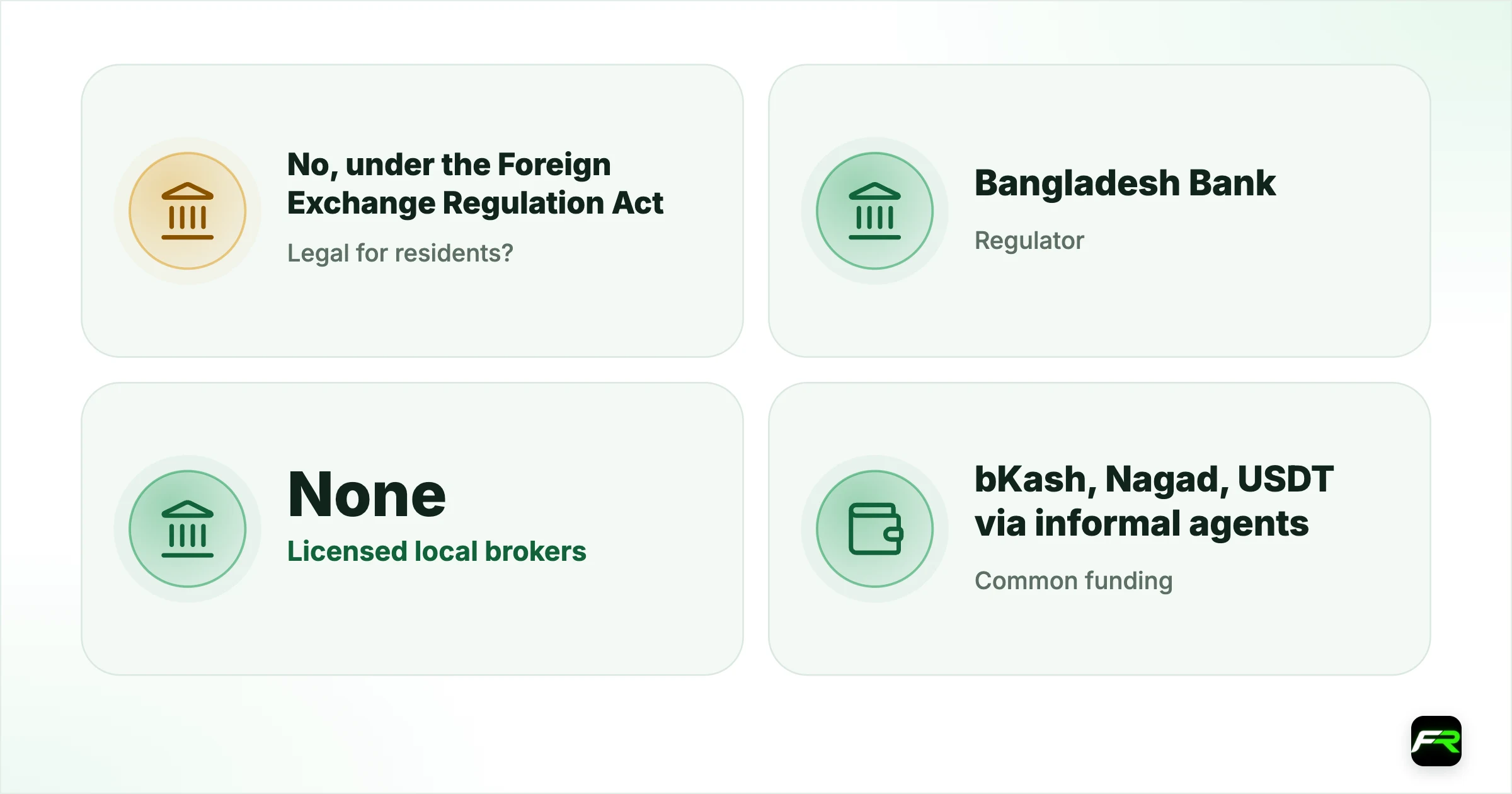
| Legal for residents? | No, under the Foreign Exchange Regulation Act |
|---|---|
| Regulator | Bangladesh Bank |
| Licensed local brokers | None |
| Common funding | bKash, Nagad, USDT via informal agents |
| Biggest risk | Funding agents in the middle |
| Local recourse | None |
Learning without breaking the rules
There is nothing in Bangladesh Bank’s position that stops you studying the market. A demo account costs nothing, carries no money across the border, and teaches you most of what a live account would: how a platform works, how spreads move, how a stop-loss behaves, and whether you can follow a plan when the number is red.
The one thing a demo cannot teach is how you handle real money on the line, which is a genuine gap. But it is a smaller gap than the one you create by funding a live account through a Telegram agent and losing the lot before you have learned anything at all. If and when the rules change, you will be ready. If they do not, you have lost nothing.
- Demo trading: no rule against it, no money leaves the country, no counterparty risk.
- Live trading through an agent: every risk stacked at once, and the agent is usually the failure point.
- Live trading direct with a licensed broker abroad: still outside currency-control law, but at least the broker is real.
A “forex agent” on Telegram or Facebook who credits your broker account for you is not a service, it is a single point of failure. Deal with the broker directly, or do not trade.
Frequently asked
Is online forex trading legal in Bangladesh?
No. Bangladesh Bank has stated it is not permitted for residents, and currency-control law does not allow remitting money abroad for margin trading. There is no licensed local broker.
Do people get prosecuted for trading forex in Bangladesh?
Action has mostly targeted local operators, promoters and schemes rather than individual traders. The restriction is still real, and you have no protection if something goes wrong.
How do Bangladeshi traders fund accounts?
Through informal channels: mobile money to a local agent, USDT bought locally, or relatives abroad. All of these take your money outside the regulated system and out of reach if the counterparty fails.
Can I withdraw forex profits back into Bangladesh?
It is difficult. Withdrawals are slow, sometimes blocked, and usually only possible back to the same informal channel you funded with, which reintroduces the agent risk.
Is USDT a safer way to fund an account from Bangladesh?
It removes the local agent from the equation if you deposit to the broker directly, but it adds crypto price and network risk while the money is in transit, and buying USDT locally from a seller has its own counterparty risk. It is a different set of risks, not fewer of them.
Can I open an account with a broker directly from Bangladesh?
You can register with a broker abroad, but funding it is where the currency-control rules bite. Depositing direct with USDT you bought yourself is closer to the broker than using an agent, though still outside the regulated system.
Where do I report a forex agent who scammed me?
File a complaint with the CID Cyber Police Centre, that is the channel for an individual recovery or criminal complaint, not the Bangladesh Financial Intelligence Unit, which works the systemic side rather than individual cases. Keep every chat message, transaction receipt and the agent’s contact details, the same records Tanvir did not have a chance to organise before his agent went quiet.
The team behind this guide
Researched, checked and approved by five forex specialists
Every guide is written, fact-checked and edited before it goes live, and updated when the facts change. Spotted an error? Tell us.