

 XM Global
  AvaTrade
  RoboForex
  IC Markets
  LiteFinance
  IUX Markets
  FP Markets
  South Africa
  Thailand
  Singapore
  Japan
Japan  Pakistan
  Malaysia
  Philippines
  Brazil
  Bangladesh
  Vietnam
  India
India Learn Forex Trading for Free
with FX Recap
Real forex education, written by traders. No fluff, no overpromised returns — just clear and honest knowledge you can actually trade with.
Basic To Advanced
Trading Guide
We’re dedicated to helping the community learn about forex by regularly sharing trading guides, beginner-friendly lessons, news, and more.
 Brokers
FXR
Brokers
FXR
XM Spreads Explained: What You Actually Pay Per Trade
Read Article Brokers
FXR
Brokers
FXR
XM Minimum Deposit: How Much Do You Actually Need to Start?
Read Article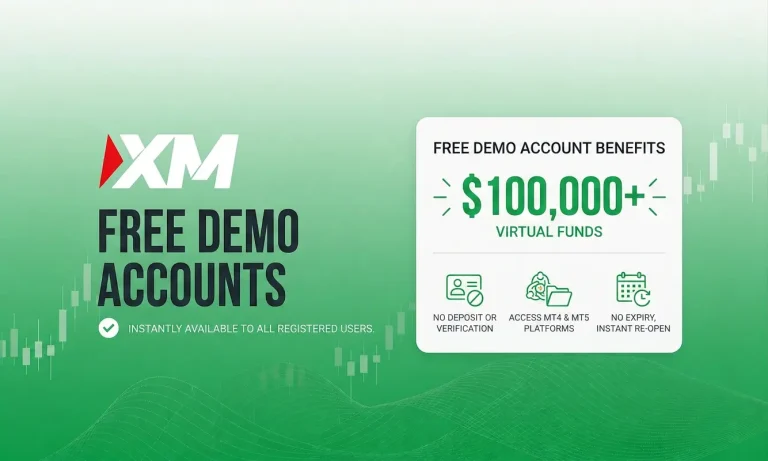 Brokers
FXR
Brokers
FXR
XM Demo Account: How to Set It Up and Use It Properly
Read Article Brokers
FXR
Brokers
FXR
XM Leverage Explained: Limits by Entity, Instrument, and Account Type
Read Article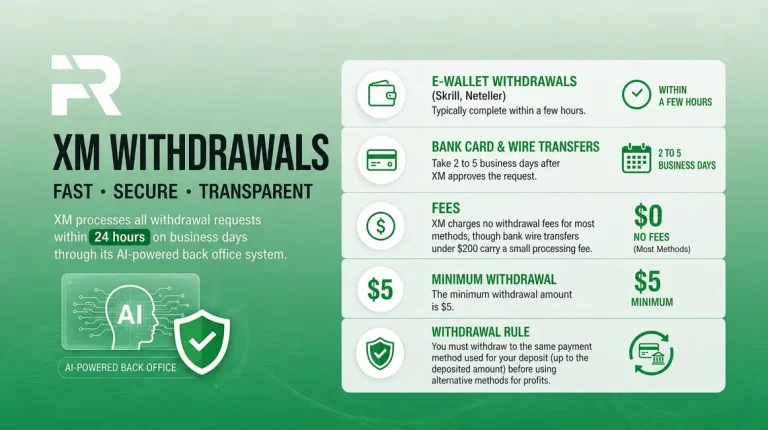 Brokers
FXR
Brokers
FXR
How to Withdraw Money from XM: Methods, Fees, and Processing Times
Read Article Brokers
FXR
Brokers
FXR
XM Account Types Explained: Micro, Standard, Ultra Low & Zero
Read ArticleFrom complete beginner to confident trader
Six stages, in order — each one builds on the last. New here? Start at Stage 1 and work down. Most learners finish the full path in 8–12 hours of reading.
Foundation
What forex is, who trades it, and how the market actually works.
Mechanics
Bid & ask, spread, leverage, and margin — the moving parts.
Pairs & Numbers
Currency pairs, pips, lots, and how to size a position.
Timing & Analysis
Sessions, charts, candlesticks, and reading the market.
Risk & Strategy
Protect capital, set stops, and pick a style that fits you.
Go Live
Choose a regulated broker, practise on demo, then trade real.
What Is the Forex Market?
Forex, short for foreign exchange, is the global market where currencies are bought and sold against each other. According to the Bank for International Settlements’ 2022 Triennial Survey, it processes over $7.5 trillion in daily transactions, making it the largest financial market in the world.
Unlike stock markets that operate on centralised exchanges like the NYSE, the forex market runs over-the-counter (OTC). Trades happen directly between participants across a global electronic network, not through a physical building or single exchange. Banks, central banks, hedge funds, institutional traders, and individual retail traders all access the same pool of liquidity.
The core function of forex is currency conversion. Every time a multinational company pays overseas suppliers, a central bank defends its currency, or a traveller exchanges cash at an airport, that is the forex market at work. For traders, it becomes a vehicle for profit by correctly anticipating which direction one currency will move against another.
The forex market has no centralised location. It operates across four major financial centres: Sydney, Tokyo, London, and New York. That is why it runs around the clock, five days a week.
Who Trades Forex?
Commercial Banks
The interbank market forms the core of forex trading. Major banks quote prices to each other and to institutional clients, supplying most of the global daily liquidity.
Central Banks
Institutions like the Federal Reserve or European Central Bank step in to manage exchange rates and carry out monetary policy decisions.
Hedge Funds
Macro-focused funds take speculative positions based on global economic trends, interest rate expectations, and geopolitical events.
Retail Traders
Individual traders access the market through regulated brokers, using analytical tools to find and act on trading opportunities.
What Actually Moves Forex Prices?
Interest rate decisions from central banks are the biggest single driver. Inflation data such as CPI reveals whether prices are rising too fast or too slow. Employment figures like Non-Farm Payrolls (NFP) show how many jobs the US economy added or lost. GDP growth above expectations attracts investment and supports the local currency. Geopolitical risk such as wars, elections, or trade disputes shifts capital flows rapidly.
How Forex Trading Works
Forex trading always involves two currencies. You buy one and simultaneously sell the other. Profit or loss depends on how the exchange rate moves between the time you open and close your position.
The Bid, Ask, and Spread
Every currency quote shows two prices. The bid is the price at which the market will buy the base currency from you. The ask is the price at which it will sell to you. The spread is your broker’s built-in transaction cost.
Going Long and Short
Going long means buying the base currency, expecting it to appreciate. Going short means selling the base currency, expecting it to weaken. This two-directional flexibility is one of the defining qualities of active forex trading.
The Leverage Reality Check
According to ESMA disclosure data, around 72% of retail CFD and forex accounts lose money. Manage the downside first. The upside follows from discipline, not the other way around.
Currency Pairs Explained
Every forex trade involves a currency pair. The first currency listed is the base; the second is the quote. The price tells you how much of the quote currency you need to buy one unit of the base.
| Category | Examples | Characteristics | Typical Spread |
|---|---|---|---|
| Majors | EUR/USD GBP/USD USD/JPY | Highest liquidity, tightest spreads | 0.1-1.5 pips |
| Minors | EUR/GBP AUD/JPY GBP/CHF | No USD, moderate liquidity | 1-5 pips |
| Exotics | USD/TRY USD/ZAR EUR/PLN | Emerging market currency, high volatility | 5-50+ pips |
Pips, Lots, and Position Sizing
Before placing any live trade, you need to understand how profit and loss are calculated. These three concepts form the mathematical foundation of every forex position.
| Lot Type | Units | Pip Value (EUR/USD) | Best For |
|---|---|---|---|
| Standard | 100,000 | ~$10 | Experienced traders |
| Mini | 10,000 | ~$1 | Intermediate traders |
| Micro | 1,000 | ~$0.10 | Beginners |
| Nano | 100 | ~$0.01 | Practice accounts |
Account Risk ($) ÷ (Stop-Loss in Pips × Pip Value) = Lot Size. Recalculate before every single trade. Never size a position by feel.
Forex Trading Sessions
The forex market runs 24 hours a day, five days a week, across four major financial centres. Each session has its own liquidity profile.
| Session | Opens (GMT) | Closes (GMT) | Most Active Pairs |
|---|---|---|---|
| Sydney | 10:00 PM | 7:00 AM | AUD/USD NZD/USD |
| Tokyo | 12:00 AM | 9:00 AM | USD/JPY AUD/JPY |
| London | 8:00 AM | 5:00 PM | EUR/USD GBP/USD |
| New York | 1:00 PM | 10:00 PM | USD/CAD EUR/USD |
Between 1:00 PM and 5:00 PM GMT the London and New York sessions run simultaneously. This generates the highest daily volume and the most significant intraday moves on major pairs.
Risk Management in Forex
No trading topic deserves more attention than this one. A trader with an average strategy and solid risk discipline will outlast a trader with a brilliant strategy and poor discipline, every single time.
The 1-2% Rule
Never risk more than 1-2% of your total account on any single trade. Risking 2% per trade, you need 50 consecutive losses to wipe a $10,000 account. Risking 10% per trade, just 10 losses achieve the same result.
Risk-to-Reward Ratio
A 1:2 ratio means for every $1 risked, the target is $2 in profit. With a 1:2 minimum and only a 40% win rate, a strategy stays profitable across enough trades.
- Define your stop before entryNo stop means no trade, regardless of how strong the setup looks.
- Calculate position sizeUse your dollar risk amount and stop distance to find the correct lot size mathematically.
- Set a realistic take-profitTarget at least 1:1.5 or 1:2 risk-to-reward. Exiting early out of fear repeatedly destroys what good setups build.
- Respect the plan through volatilityDo not widen stops because price is near them.
- Log every tradeWithout a trade journal, you cannot identify what is working or where your actual edge comes from.
Technical vs Fundamental Analysis
Forex traders use two complementary methods to make trading decisions. Most experienced traders combine both rather than relying exclusively on one approach.
Support & Resistance
Price levels where buyers or sellers have historically shown strength. Key zones for entries, exits, and stop placement.
Candlestick Patterns
Single and multi-candle formations signalling potential reversals or continuations: pin bars, engulfing candles, inside bars.
Trend Analysis
Identifying whether price makes higher highs and higher lows (uptrend) or lower highs and lower lows (downtrend).
Indicators
RSI, MACD, and moving averages work best as supporting confirmation, not standalone entry signals.
US Non-Farm Payrolls (first Friday of each month), FOMC rate decisions, Bank of England MPC meetings, ECB press conferences, and US CPI releases. These events can move major pairs 50-200 pips within minutes.
Forex Trading Strategies
There is no single strategy that works for every trader. The right approach depends on how much time you have, how you handle drawdown, and what kind of market behaviour you find easiest to read consistently.
| Style | Trade Duration | Screen Time | Best For |
|---|---|---|---|
| Scalping | Seconds to minutes | Very high | Full-time traders |
| Day Trading | Minutes to hours | High (session-based) | Committed daily traders |
| Swing Trading | 2-10 days | Moderate | Part-time, beginners |
| Position Trading | Weeks to months | Low | Macro-focused traders |
Picking Your First Forex Broker
Your broker is the infrastructure your trading runs on. A poorly regulated or expensive broker can eat into your results before you ever apply your strategy to the market.
Regulation First
Only trade with brokers regulated by the FCA (UK), ASIC (Australia), or CFTC (US). Regulation means your funds are segregated and you have formal recourse.
Spreads & Commissions
Compare the all-in cost per round turn for your typical trade size, not just the advertised spread.
Platform Quality
MetaTrader 4 and MetaTrader 5 remain industry standards. Test the demo before depositing real capital.
Demo Account
Any broker worth using offers a free demo with real market conditions. Practice for at least 4-8 weeks before going live.
- Verify regulatory statusCross-check the licence directly on the regulator’s website. Never rely on what the broker’s site says.
- Open a demo accountTrade virtual funds until your strategy produces consistent results across at least 50-100 trades.
- Start with a small real deposit$100-$500 is enough to begin live trading with micro lots.
- Test a withdrawal earlyRequest a small withdrawal within the first month. A legitimate broker processes it without friction.
The Complete Lesson Library
All 25 FX Recap Academy lessons in one place. Search by keyword, filter by topic, and tick off each lesson as you finish — your progress is saved on this device.
Forex Market Basics
The structure of the market, who participates, and why it exists.
What Is Forex Trading?
How currency trades are placed, settled, and profited from.
What Is a Pip in Forex?
Pip value, fractional pips, and calculating profit in pips.
What Is Forex Leverage?
How leverage works, what it amplifies, and how to use it responsibly.
What Is Forex Margin?
Margin requirements, free margin, and how margin calls happen.
Forex Quotes
Direct, indirect, and cross quotes and how to read the board.
Bid and Ask in Forex
The two prices behind every trade and how the spread is formed.
What Is a Forex Spread?
Fixed vs variable spreads, and how to factor cost into your trades.
Major Currency Pairs
The seven majors, their characteristics, and why they dominate volume.
Forex Market Hours
Every session’s open and close, best overlap windows, and periods to avoid.
Identify the Best Forex Broker
Regulation, costs, platform quality, and what separates good from bad.
Forex Demo Trading
How to use a demo account to build a real edge before going live.
Ultimate Forex Glossary
Every term a trader encounters, defined plainly and accurately.
Lot Size in Forex
Standard, mini, micro, and nano lots with position sizing examples.
Start Trading as a Beginner
The exact steps from opening an account to placing your first trade.
MetaTrader 4 vs MetaTrader 5
The real differences between MT4 and MT5 and which one to pick.
Forex Signals Master Guide
What trade signals are, how providers work, and when to trust them.
Learning Forex Charts
Line, bar, and candlestick charts and how to read price action.
Candlestick Charts in Forex
Patterns, wicks, bodies, and how candlesticks reveal intent.
What Are Forex Indicators?
Lagging vs leading indicators, and which combinations work.
Forex Risk Management
Position sizing, drawdown limits, and protecting your capital.
Stop-Loss & Take-Profit
How to set logical levels rather than emotional ones, and trail stops.
Types of Forex Accounts
Standard, ECN, STP, Islamic, cent, and demo accounts compared.
Forex Trading Strategies
Scalping, day, swing, and position trading with real examples.
Going Live: Demo to Real
When you are ready to transition, what to expect, and what changes.
No lessons match your search. Try a different keyword or clear the filters.
Free Forex Trading Tools
Calculators, live data, and broker research — everything you need to plan a trade and pick where to place it. All free, no sign-up.
Currency Converter
Convert any pair at live mid-market rates.
Live Rates
Real-time quotes across the major currency pairs.
Economic Calendar
Track high-impact news events as they land.
Broker Comparison
Compare leading forex brokers side by side.
Broker Finder
Get matched to a broker that fits how you trade.
Deposit Bonus Finder
Browse current forex deposit bonuses and offers.
Pip Calculator
Work out pip value in your account currency.
Lot Size Calculator
Find the right lot size for your risk.
Position Size Calculator
Size positions precisely from your risk %.
Margin Calculator
See the margin a position will require.
Leverage Calculator
Check margin needed at any leverage level.
Profit Calculator
Estimate profit or loss before you trade.
