 IC Markets


































Essential Forex Terms: A Complete Trader’s Glossary
A plain-English forex glossary: the terms on platforms, charts and analysis tools, explained so you trade with fewer mistakes.
 WriterAbir KhanWriterWrites the guides · checks every figure against primary sources View profileAbout Abir →
 Market analysisTanbir Habib RiyadForex & Crypto AnalystForex and crypto analyst · technical and fundamental analysis View profileAbout Tanbir →
 Fact-checking & riskJannatul FerdaushFact-Checker & Risk AnalystFact-checks every figure · risk analysis · Applied Statistics, University of Dhaka View profileAbout Jannatul →
 Trading reviewJowel RanaCo-Founder & Forex TraderCo-founder · forex trader · reviews guides from a trader's view View profileAbout Jowel →
 Final approvalRanjan NiskrityFounder, Owner & Forex TraderFounder and owner · forex trader · signs off every guide View profileAbout Ranjan →

The foreign exchange market seems to be strange as well as complex to new entrants. Practitioners should be approached, and real professional relations should be developed to preclude feelings of confusion.
By understanding how to transform an otherwise dull atmosphere into an efficient and engaging place to relax and study, one may start making more knowledgeable choices as he/she is exploring the trading techniques and market indicators.
The need to have such engagement cannot, however, be ignored. The volatility of the market situation and the shortness of human existence emphasize the significance of lifelong learning.
Even experienced professionals can spend much time on currency forums, technical analysis, and the latest news releases.
The failure to understand basic concepts may lead to giant losses. It is therefore necessary to introduce financial terms in a succinct and user-friendly format, which can be in the form of a user-friendly forex glossary.
Learning Forex Terms: How They are Relevant
Forex terms are optional and may cause a significant impact on trading. As an example, the percentage of pipping is indicated in point-pip.
The currency pairs have a minimum move of one pip and a smaller unit. The holding period yield is a critical concept that modern technology fails to manage.
Consider the usefulness thereof and confess the perplexities. Focus on profits and losses rather than on arbitrary crossing points.
Similar spread: The spread is the amount that you pay when you purchase and sell simultaneously. Traders who like to ignore spreads destroy trades for profits.
Forex trades will always indicate the extent to which it costs you in the marketplace. You can easily check trades by looking at the results, which already provide the information.
Selling is not simple, according to Leighton Smith. New stock-market-trading accounts would result in more money and less income for my readers.
He explained, e.g., I, as a trader, know such terminologies as ‘margin’, ‘leverage‘, ‘swaps‘, ‘buyback this time round’, etc. I take them to cushion my risk and to introduce fresh ideas into my securities portfolio, yet I would like to learn more about capital markets.
Most individuals do not know how to make good use of capital markets, and they are forced to guess. He or she does not even know the simplest things, and you have to learn these things gradually, working as a day trader.
Terms of Forex
It is this Forex terminology that every trader needs to know.
The smallest amount of a price that is traded in a transaction is a pip, which varies according to the quantity that is traded. A single unit of EUR/USD is equivalent to 10 US dollars when the amount of a typical lot is 100,000.
At lower volumes, trading a mini lot of 10,000 units, the price of a single pip is only 1 dollar. Even when the price is changed on a micro lot of 1,000 units, it only costs 0.10 dollars.
As an example, you know you have traded one mini lot of GBP/USD, and the rate has been shifting 15 pips in your favour. Your profit would be 15 pips × $1 = $15. This basic arithmetic is useful in estimating the risk of a trade.
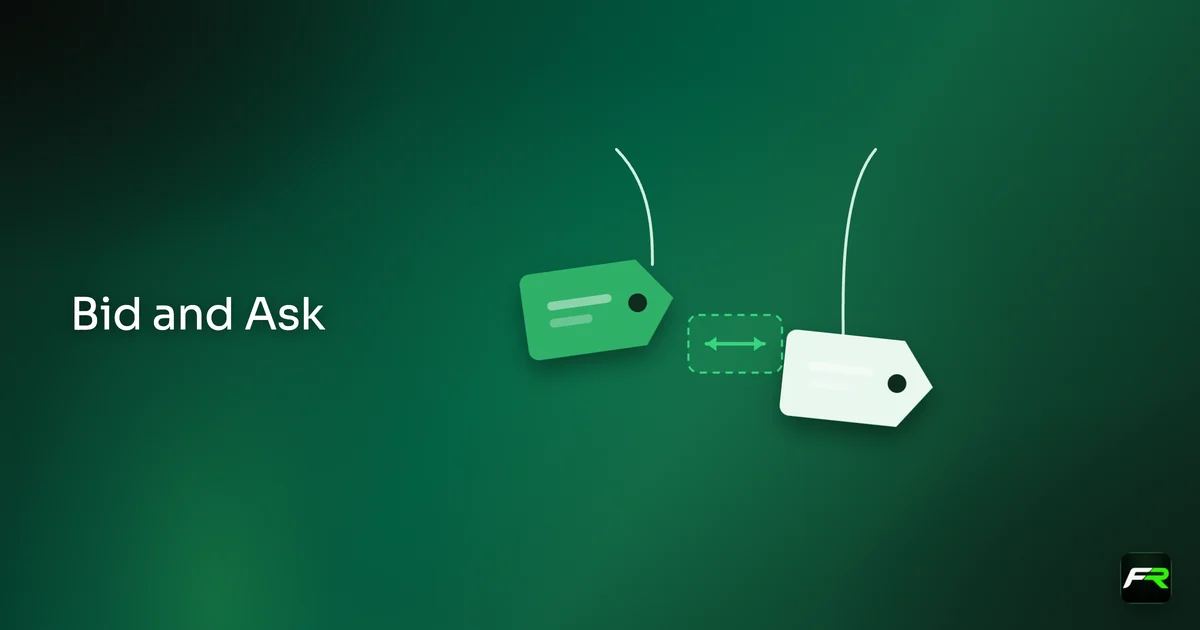
The difference between the ask and the bid is known as the spread. Brokers usually charge you the spread in which you fill your order. The smaller one is preferable – better with scalpers or the high-frequency traders, who deal in cents.
To use it as an example, suppose you have 2,000 dollars in your trading account and you would like to trade in the standard lot size in EUR/USD, USD/JPY and GBP/USD at 1.1000 at a 30:1 leverage. You would have to raise $6,000 at the same time.
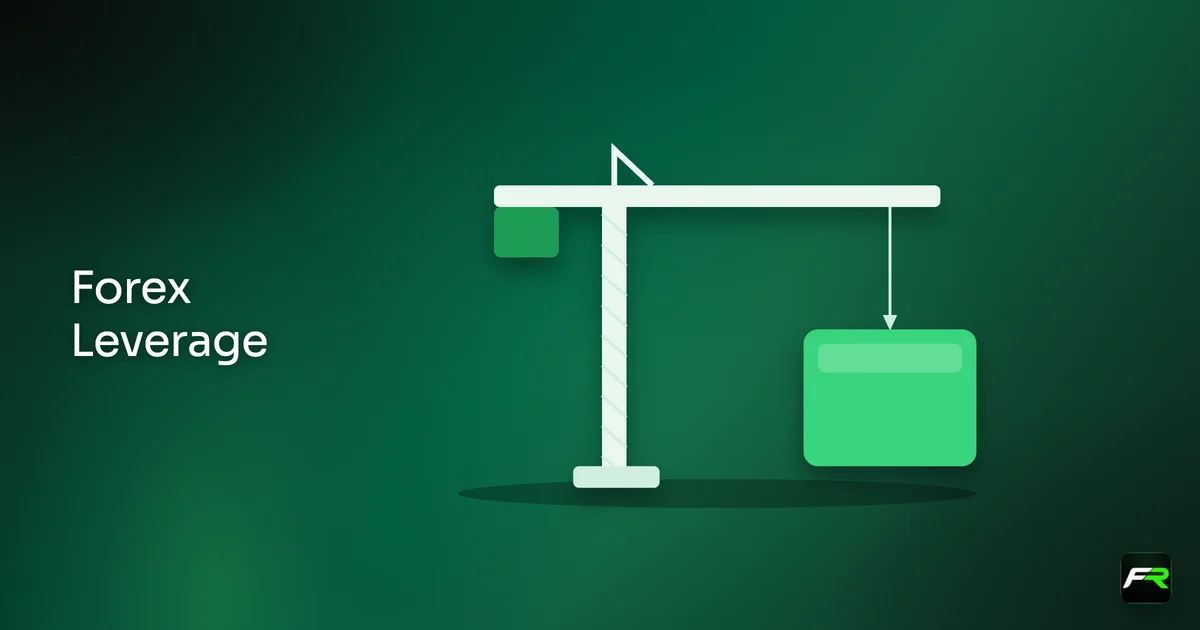
What are leverage and margin?
Margin trading simply implies that you are required to deposit some of your money and borrow the rest to trade.
Assuming a leverage of 50:1, if I invest £1,000, I will be able to control £50,000. A 100-pip movement in the EUR/USD could potentially yield a profit of approximately £2,000 on a standard lot, which is nearly double the amount of my initial investment.
However, when the market turns against me to the same extent and in a short period of time, I would lose all the money and have enormous losses. Arguing about whether leverage is a blessing or a curse,
The moral of the story is that the user should be familiar with the workaround before using it, or he/she might end up losing his/her money disastrously.
Long or Short Position
‘Going long’ refers to the act of purchasing a currency pair when you believe that the price of such a pair will increase. ‘Going short’ refers to selling a currency pair as you believe that its price will become lower.
Sophisticated traders consult the charts and news to make a long or a short decision. They can hold their trades for a few seconds, an hour, or months.
When a trader believes that the US dollar will be stronger than the other currencies, he may dispose of the EUR/USD at 1.1050. In the event that the price drops to 1.0950, the trader will profit by 100 pips. If the trader is unaware of long and short positions, he will miss this profit.
Swap and Rollover
The interest accrued or paid on positions held overnight is called a swap. In carry trading, positive swaps are relatively used to make small profits (which can be very rewarding), whereas negative swaps are costly.
This data is essential in the proper computation of profits. It is necessary to know the functioning of swaps to maximise the trading strategy. Considering these aspects, traders are able to make decisions that will result in increasing their profitability in the currency markets.
Advanced Forex Terms in Daily Use
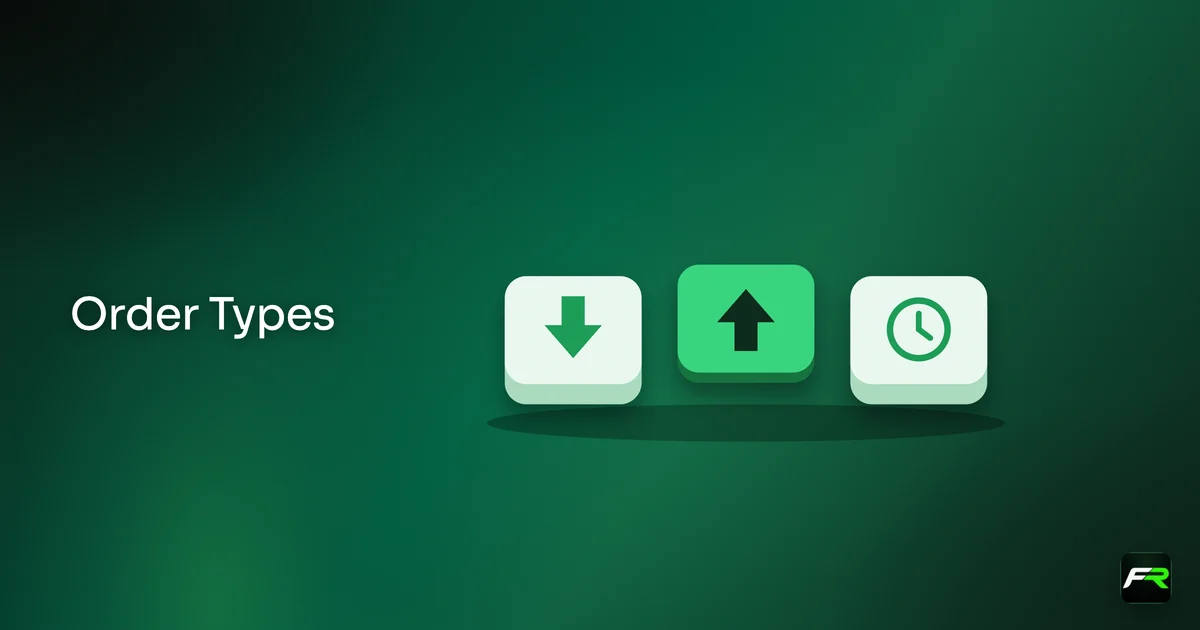
1. Types of orders: market, limit, and stop
Market orders are immediately filled at the prevailing price. Limit orders are only filled when the price attains a level you have stipulated that is more favourable to you.
Stop orders will wait until the price reaches a certain point of your choice, and then they will trade. The correct type of picking will assist you in getting into and out of trades precisely when you intend.
Illustration:
To limit the losses and save capital investment on the sudden price changes, a trader sets a stop-loss at 1.1100.
2. Volatility and Liquidity
Volatility is a measure of the extreme change in prices. Liquidity is a feature that demonstrates the ease of selling or purchasing a currency.
With high levels of liquidity, it is possible to trade without causing significant price movements, which is significant when dealing with large orders. Volatility High volatility may lead to fast profits or fast losses.
3. The Chart Patterns along with the Technical Indicators
You will learn step by step about a lot of indicator names in the future when you are in the real market to trade.
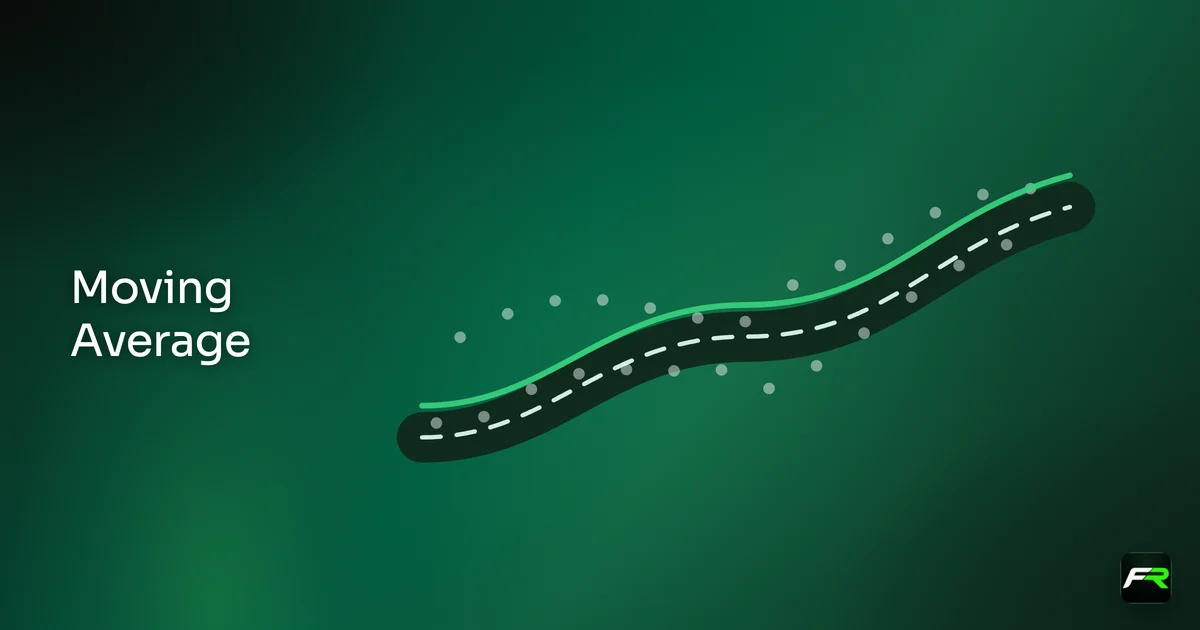
Technical indicators will help traders to monitor the market. Moving averages, RSI, and MACD are some of the common terms in forex.
They should be explained in a glossary, as they are the ones that enable you to determine when to trade.
Practical Application
This phenomenon is because EUR/USD formed a bullish flag in the 4-hour chart, as was noticed by one of the traders. The trader took the RSI divergence and moving-average support as long positions where he got 120 pips, and the price moved on.
Tricks relevant to improper understanding of Forex terms
Trading without learning the basics can bring a calamity. Most new traders lose out since they use leverage improperly, they do not have pips knowledge, and they are unaware of what the spread is.
An example of this will be when a trader leverages GBP/JPY at 10:1 without taking into account costs of swapping and liquidity.
It will take a poor judgement in a few hours to wipe off approximately 90 percent of the account. Being aware of these terms would have preserved the loss.
A major mistake of most beginners is to mix the bid price (you buy at) and the ask price (you sell at). These are hazardous errors that put you on the way to becoming a forex loser.
One needs to read more about the specifics of trading, develop a strong strategy that will address all these aspects, and rehearse. By so doing, you can stand a high probability of success in the forex market.
Professional Counseling on Learning Forex terms
I am engaging in activities which require me to identify case scenarios and challenge the advantages and disadvantages of every trade.
I am ensuring that I am not forgetting the fundamentals and am in fact learning how to operate the terminologies, starting with the demo accounts initially.
Before approaching a real market, I researched the jargon on virtual trades. I have also been creating a Forex glossary chart whenever I come across new vocabularies in trading platforms or in the global news about the actual market.
I am also networking with professional groups from around the globe to connect with knowledgeable traders.
Their stories provide a real-life outlook that complements what I have learnt from textbooks.
As Michael Carter aptly put it, “Knowledge is money, and the first step in converting the words into money is to use them.”
Forex Trading Strategy Introduction to Forex Terminology
It is not sufficient to know the forex terms but to apply them in a strategic manner. You can say, as an example, that you know the pips and spreads, and you can determine the success or loss that you will have.
Words such as ‘leverage‘ and ‘margin’ indicate to the traders the amount of money they ought to utilise per trade.
A strategy involves the application of technical indicators to determine when to get into a trade or out of a trade.
For example:
One of the traders thinks that he or she will gain 50 pips, but the stop loss is 20 pips. To make the plan an action, he trades in two mini lots, adding spread costs so that the risk-reward ratio is appropriate.
Conclusion
In order to become an effective forex trader, learn some forex lingo. You would not have known the whereabouts of colleagues without most of these words carved into your mind, so pick up your intercom and discover where they are!
It is only necessary to understand price points. Stock trading applications are filled in with the touch of a button at very transparent prices.
By being able to instantly observe the reason behind a stock price trending down as well as the fact that the system needs information on such things as spreads, leverage, swaps, and technical indicators, your trading skills would increase significantly.
When you understand the words, you will then take a wait-and-see attitude, without buying or selling futures out of fear or idle guesswork; a proper trade time swing will make you know whether to buy a long or a short contract.
There are basic factors that dictate supply and demand in any transaction. And to be a member of this trading game, you must speak its language and use it.
The team behind this guide
Researched, checked and approved by five forex specialists
Every guide is written, fact-checked and edited before it goes live, and updated when the facts change. Spotted an error? Tell us.
Related Articles
 Education
8 min read
Education
8 min read

 Education
8 min read
Education
8 min read
 Education
9 min read
Education
9 min read
 Education
13 min read
Education
13 min read
 Education
9 min read
Education
9 min read
 Education
7 min read
Education
7 min read